Introduction to Proximity Sensing Technology
Proximity sensors are indispensable components in modern industrial automation, providing non-contact detection of objects within a defined range. Their operation hinges on generating an electromagnetic field or beam of radiation and detecting changes in the field or return signal. The effectiveness of a sensor is fundamentally tied to the material properties of the target object. Not all materials interact with sensor fields in the same manner, making material selection a critical factor in system design. This article delves into the various materials that can be reliably detected by different types of proximity sensors, outlining the principles and practical considerations for engineers and system integrators.
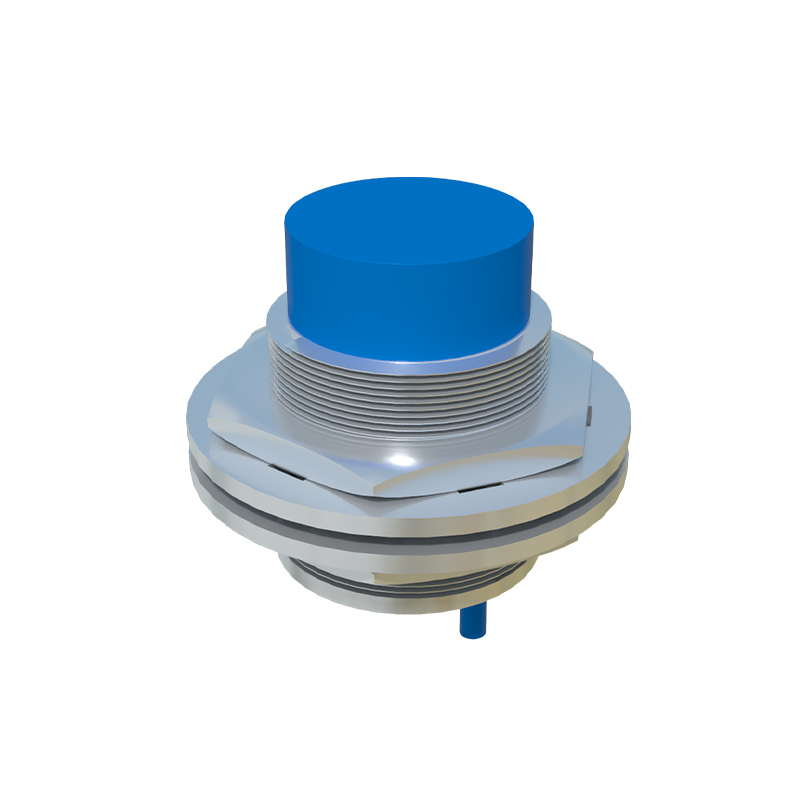
Ferrous Metals: The Primary Target for Inductive Sensors
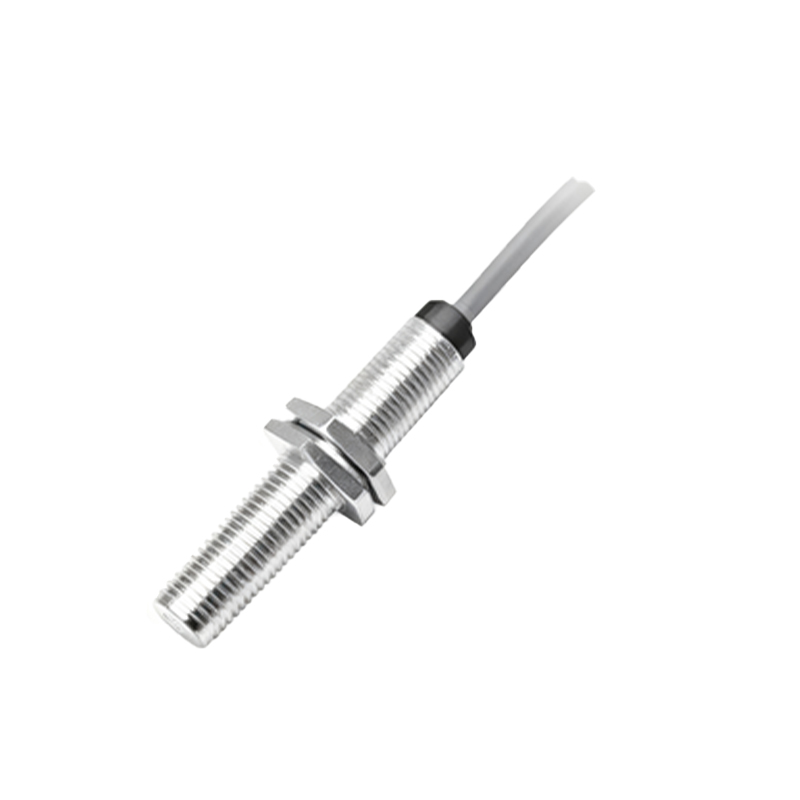
Inductive proximity sensors are the most common type used for detecting metallic objects. They generate an oscillating electromagnetic field. When a ferrous metal—such as mild steel, carbon steel, or iron—enters this field, eddy currents are induced on the metal's surface. This causes a measurable change in the oscillation amplitude, triggering the sensor's output. Ferrous metals are highly detectable due to their magnetic permeability and conductivity, allowing for the longest sensing ranges in this category. For instance, a sensor rated for a 10mm range with mild steel might only achieve a 5mm range with non-ferrous metals. The consistent and reliable detection of ferrous metals makes inductive sensors ideal for applications like counting gear teeth, detecting piston positions in cylinders, or verifying the presence of machine parts.
Non-Ferrous Metals: Detection with Adjusted Ranges
Non-ferrous metals, including aluminum, copper, brass, and stainless steel (specifically austenitic grades like 304 and 316), are also detectable by standard inductive proximity sensors. However, their detection requires careful consideration. These materials have lower magnetic permeability but good electrical conductivity. The induced eddy currents are weaker, resulting in a reduced effective sensing range—typically 30% to 60% of the rated range for mild steel. Engineers must account for this reduction factor during installation. Specialized inductive sensors with higher-frequency oscillators are sometimes employed to improve performance on specific non-ferrous targets like aluminum. Applications are widespread, from detecting aluminum cans on conveyor lines to monitoring copper components in electrical assemblies.
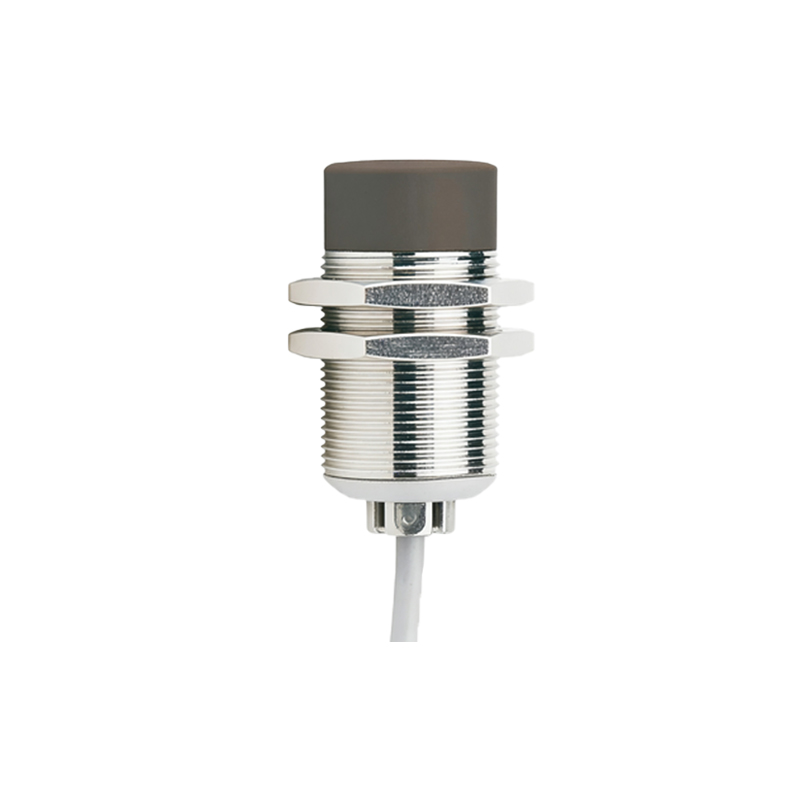
Non-Metallic Materials and Capacitive Sensors
For materials that do not conduct electricity, inductive sensors are ineffective. This is where capacitive proximity sensors come into play. These sensors can detect virtually any material by measuring changes in capacitance. They generate an electrostatic field. When any object—be it plastic, glass, wood, paper, ceramic, or liquid—enters this field, it alters the dielectric constant and thus the capacitance, triggering detection. The sensing range is influenced by the material's density and dielectric constant. For example, water or wood has a higher dielectric constant than plastic foam, allowing for a longer detection range. Capacitive sensors are perfect for level detection of powders or liquids in non-metallic tanks, detecting plastic bottle caps, or monitoring the presence of glass panels.
Specialized Detection: Photoelectric and Ultrasonic Sensors
While not always classified strictly as "proximity" sensors in the same sense, photoelectric and ultrasonic sensors perform similar non-contact detection functions for a broader material spectrum. Photoelectric sensors, using a light beam (visible, infrared, or laser), can detect any material that disrupts or reflects that beam. This includes all solids and even some opaque liquids, regardless of their metallic or magnetic properties. Ultrasonic sensors emit high-frequency sound waves and detect echoes. They can detect almost any solid or liquid material that reflects sound waves, making them exceptionally versatile for distance measurement and presence detection of materials like rubber, textiles, or bulk granular substances where other sensors might fail.
Factors Influencing Detection Performance
Beyond the base material type, several factors can influence a proximity sensor's performance. Surface condition is crucial; a heavily oxidized or coated metal surface may slightly reduce the sensing range for an inductive sensor. The size of the target object relative to the sensor's active face must meet minimum requirements; a tiny screw may not be detectable at the sensor's maximum range. Environmental factors like extreme temperatures, dust, moisture, or the presence of strong electromagnetic interference can also affect reliability. Always consult the sensor's technical datasheet for correction factors (K factors) for different materials and ensure the operating environment is within specified limits.
Material Selection and Application Best Practices
Selecting the right sensor for the target material is paramount. Start by definitively identifying the target material. For ferrous metals, a standard inductive sensor offers the best performance and cost-effectiveness. For non-ferrous metals, choose an inductive sensor with a sufficient range der