Understanding the Fundamentals of Proximity Sensing
Proximity sensors are indispensable tools in modern industrial automation, designed to detect the presence or absence of an object without physical contact. When the target object is a plastic component, the selection and application of the sensor require specific considerations. The core principle involves the sensor generating an electromagnetic field or a beam of electromagnetic radiation (often infrared light). The presence of a target within this field causes a change in the signal, which is then processed by the sensor's circuitry to produce a discrete output. For metallic objects, inductive sensors are predominantly used. However, plastics, being non-conductive and non-metallic, necessitate alternative sensing technologies, primarily capacitive and photoelectric sensors. The inherent properties of plastics—such as dielectric constant, color, transparency, and surface finish—directly influence the sensing method's effectiveness and reliability.
Capacitive Proximity Sensors: The Versatile Choice
Capacitive proximity sensors are highly effective for detecting non-metallic materials, including various plastics, liquids, and granular substances. They operate by generating an electrostatic field. Any object that enters this field alters the capacitance of the sensor's circuit, triggering a state change. For plastic detection, the sensor's sensitivity can be adjusted to account for the material's specific dielectric constant. Plastics with higher dielectric constants (like PVC or ABS) are easier to detect than those with very low constants (like PTFE or polyethylene). A key advantage is their ability to detect targets through non-metallic container walls, enabling applications in level sensing of plastic pellets or detection of components inside a plastic housing. Engineers must carefully calibrate the sensitivity to avoid false triggers from environmental factors like moisture or dust accumulation on the sensor face.
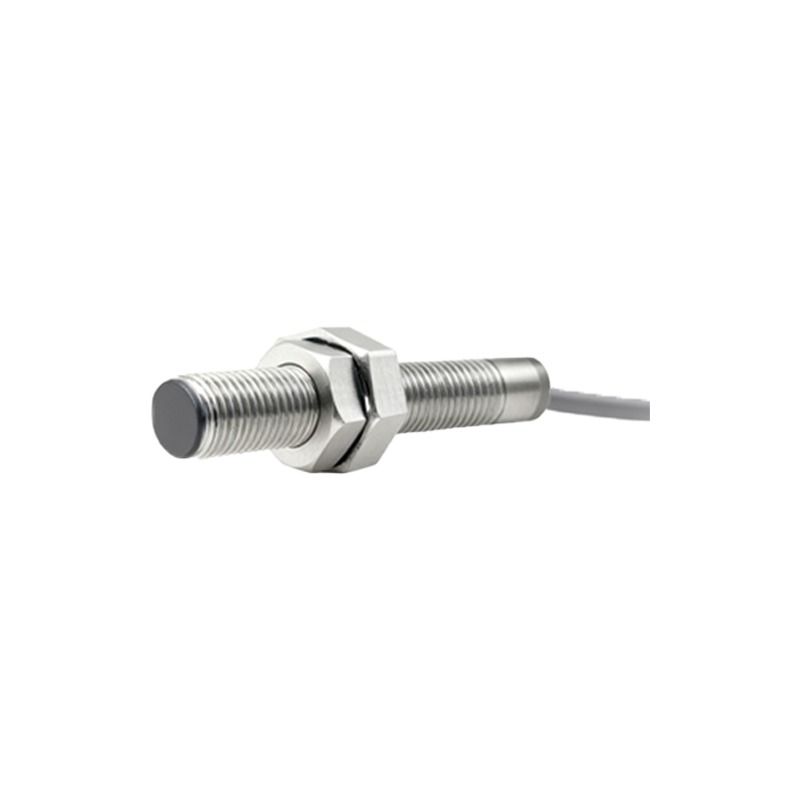
Photoelectric Sensors: Precision for Color and Transparency
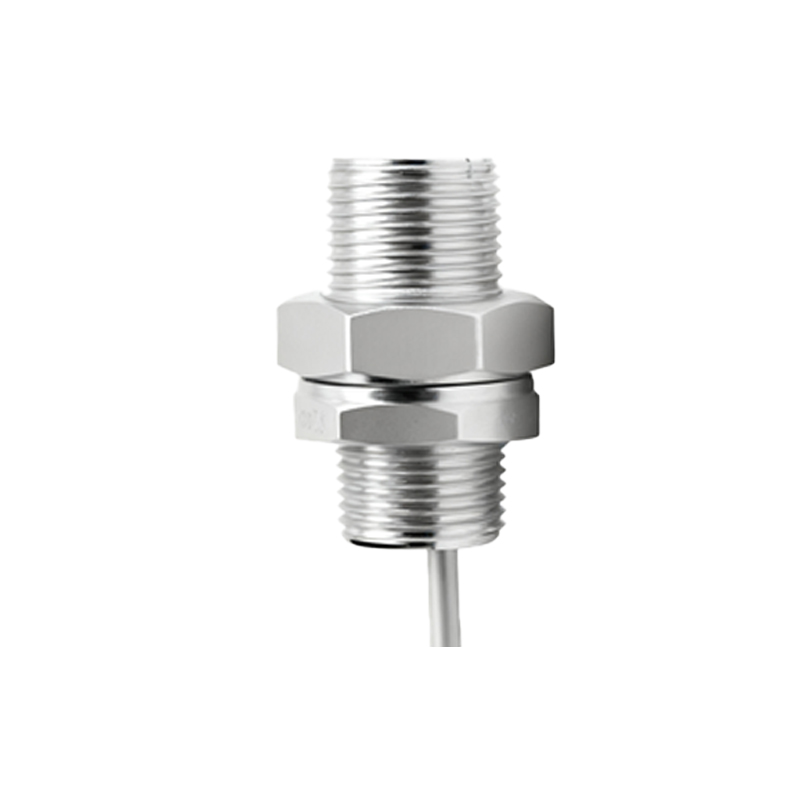
Photoelectric sensors offer high precision and flexibility for detecting plastic components, especially when distinguishing based on color, transparency, or specific markings is required. They operate by emitting a light beam (usually LED-based infrared, red, or laser) and detecting the reflected or transmitted light. For opaque plastics, diffuse reflective sensors are common, where the sensor detects light reflected off the target's surface. For transparent or translucent plastics, through-beam or retro-reflective models are more reliable, as they detect the interruption or presence of a light beam. Background suppression sensors are particularly valuable for ignoring distant backgrounds, ensuring stable detection even if the color of the plastic part is similar to the conveyor or background. The choice of light source color (e.g., red vs. green) can be optimized for maximum contrast with the plastic's color.
Key Application Parameters and Selection Criteria
Selecting the optimal sensor demands a thorough analysis of application parameters. First, define the sensing distance required, ensuring the chosen sensor's rated operating distance has a sufficient safety margin (typically 70-80% of the rated value). The size, shape, and orientation of the plastic part are critical; small components may require sensors with a focused beam or small sensing face. Environmental conditions are paramount: exposure to washdown chemicals, wide temperature swings, or continuous vibration dictates the need for sensors with high IP ratings (e.g., IP67, IP69K), robust housing (stainless steel or PBT plastic), and stable electronics. The required output type (PNP/NPN, NO/NC) must match the PLC or controller input card. Finally, consider response time; high-speed assembly lines demand sensors with fast switching frequencies to keep pace.
Overcoming Common Challenges in Plastic Detection
Several challenges are frequently encountered. Detecting clear plastics is notoriously difficult with standard photoelectric sensors due to low reflectivity and high transmissivity. Solutions include using polarized retro-reflective sensors to ignore glare from the plastic surface or employing convergent beam sensors that have a very precise, fixed focal point. Another challenge is the inconsistent color or additive content in recycled plastics, which can affect photoelectric sensor performance. Using a sensor with teach-in functionality allows for dynamic adjustment to the specific batch of material. For capacitive sensors, false detection from adjacent machinery or operator hands can be mitigated by using shielded models and proper mounting to direct the electrostatic field forward.
Installation, Alignment, and Maintenance Best Practices
Proper installation is crucial for reliable operation. Ensure the sensor is securely mounted to prevent misalignment from vibration. For photoelectric sensors, precise alignment of emitter and receiver (for through-beam types) is essential; laser models can simplify this task. Maintain the recommended clearance around the sensor body, especially for capacitive types, to prevent interference from adjacent metal. Keep the lens of photoelectric sensors clean and free from dust, oil mist, or plastic shavings, which are common in molding environments. Implement a periodic maintenance schedule to