Introduction to Photoelectric Sensors
Photoelectric sensors are indispensable components in modern industrial automation, utilizing light beams to detect the presence, absence, or distance of objects. The 220V AC variant is particularly significant in industrial settings where high-power machinery and control systems operate directly on this standard voltage. These sensors convert electrical energy into a modulated light beam, typically infrared, visible red, or laser, and then detect changes in the received light signal caused by an object interrupting or reflecting the beam. Their ability to perform non-contact detection makes them ideal for applications involving fragile, hot, or fast-moving items where physical contact is impractical or damaging. The evolution from simple on/off detection to sophisticated measuring and positioning tasks has solidified their role across manufacturing, packaging, material handling, and safety systems.
Core Operating Principles
The fundamental operation of a 220V photoelectric sensor involves three main components: an emitter, a receiver, and a control circuit. The emitter, powered by the 220V AC supply, generates a focused light beam. The receiver detects this light. Detection occurs based on one of three primary modes. Through-beam sensors, also known as opposed mode, have separate emitter and receiver units. An object is detected when it breaks the beam between them, offering the longest sensing ranges and highest reliability. Retro-reflective sensors house both emitter and receiver in one housing, using a reflector to bounce the beam back. Detection happens when the object interrupts this reflected beam. Diffuse or proximity sensors rely on the reflection of light directly off the target object itself, with detection dependent on the object's reflectivity and distance.
Advantages of 220V AC Powered Sensors
Integrating a 220V AC power supply directly into photoelectric sensors provides several key advantages in industrial environments. The most prominent is simplified wiring and system integration. By operating on the same mains voltage prevalent in factories, these sensors eliminate the need for additional step-down transformers or separate low-voltage power supplies at each sensor point, reducing installation complexity and cost. They offer robust performance with strong output signals capable of directly driving higher-power loads like relays, contactors, or solenoid valves without intermediate amplification. This direct compatibility with industrial control panels and PLC digital input modules streamlines the design of control circuits. Furthermore, 220V AC sensors often exhibit excellent noise immunity, making them stable in electrically noisy industrial settings filled with motors and variable frequency drives.
Key Technical Specifications and Selection Criteria
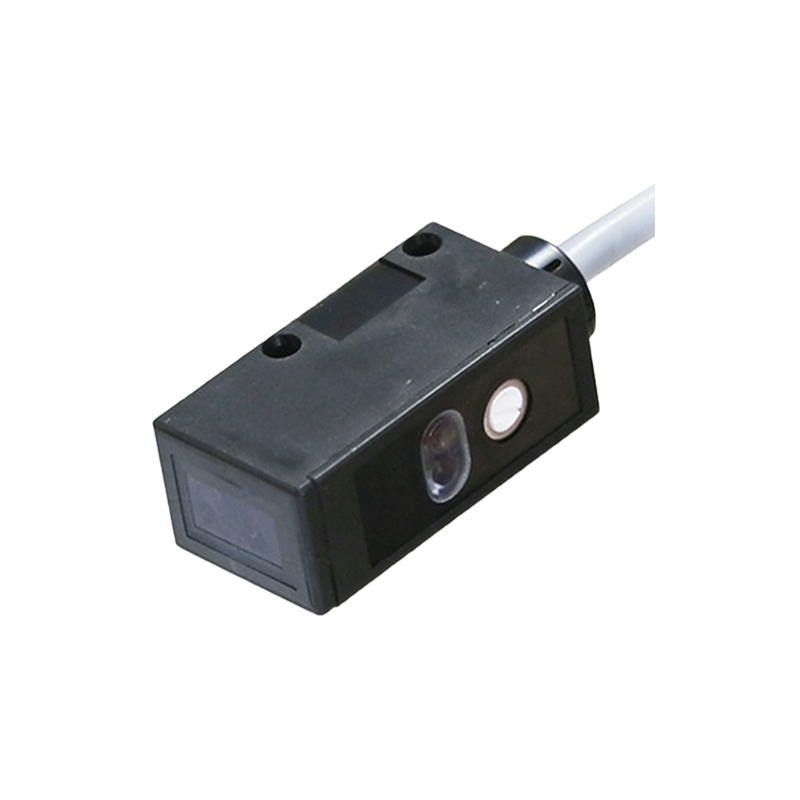
Selecting the appropriate 220V photoelectric sensor requires careful analysis of application parameters. Sensing range is paramount; through-beam models can detect over tens of meters, while diffuse types are suitable for shorter ranges. The type of output is critical: relay outputs are common for directly switching 220V AC loads, while solid-state (triac or transistor) outputs offer faster switching speeds for PLC connections. The response time, measured in milliseconds or microseconds, determines the sensor's capability for high-speed production lines. Environmental ratings are non-negotiable; an IP67 or IP69K ingress protection rating ensures reliability against dust and water jets, while robust housing materials like metal or high-grade plastic withstand physical impact and chemical exposure. Other factors include light source type (modulated IR for immunity to ambient light), connection style (pre-wired cable or quick-disconnect), and special functions like background suppression or teach-in capability for adjustable sensing thresholds.
Typical Industrial Applications
The application spectrum for 220V AC photoelectric sensors is vast. In packaging machinery, they count bottles on a conveyor, verify case erection, or detect fill levels. In automotive assembly, they confirm the presence of components on robotic arms or position vehicle bodies for welding. Material handling systems use them for pallet detection, stack height control, and conveyor jam prevention. They are fundamental in safety systems as part of light curtains or area guards to halt machinery when a person breaches a protected zone. In woodworking and metal cutting, they serve as part of the control loop for measuring material length or detecting the end of a roll. Their non-contact nature makes them perfect for detecting transparent objects like glass or plastic films, a task challenging for other sensor types.
Installation and Wiring Considerations
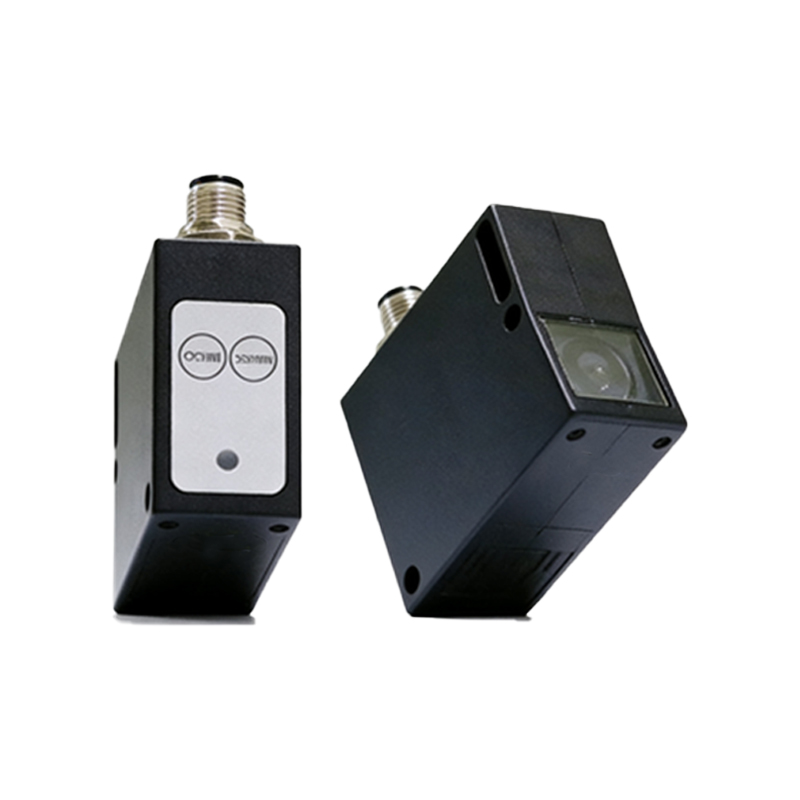
Proper installation is crucial for reliable operation. Mounting must be secure to prevent vibration-induced misalignment, especially for through-beam and retro-reflective types. The sensor should be positioned to avoid optical interference from highly reflective backgrounds, direct sunlight, or cross-talk from adjacent sensors. For 220V AC wiring, strict adherence to local electrical codes and safety standards is mandatory. Typically, connections involve Line (L) and Neutral (N) for power, with a separate output terminal (often labeled "OUT" or "LOAD") to connect to the controlled device. A protective earth ground connection is essential for safety. It is good practice to use shielded cables in areas with high electromagnetic interference and to install surge protection devices if the sensor is connected to long cable runs or inductive loads, safeguarding the sensitive internal electronics from voltage spikes.
Maintenance and Troubleshooting
While known for durability, 220V photoelectric sensors require periodic maintenance. The primary task is keeping the lens clean from dust, oil, or debris that can attenuate the light signal, using appropriate cleaning solvents. Regular checks for mechanical alignment are necessary, as machine vibration can slowly shift mounts. Common troubleshooting steps begin with verifying the 220V power supply at the sensor terminals. Next, observe the sensor's status LED (if equipped); a steady light often indicates power and a clear beam, while a blinking pattern may signal an alarm condition. For false triggers, check for environmental factors like ambient light sources, reflective surfaces, or accumulation of dust that might scatter the beam. If the sensor fails to detect, confirm the object is within the specified sensing range and is large/opaque enough to interrupt or reflect the beam adequately for the chosen sensing mode.