Understanding Diffuse Reflective Sensors
Diffuse reflective sensors, often referred to as diffuse sensors, are a type of photoelectric sensor widely used in industrial automation. They operate by emitting a light beam, typically infrared or visible light, and detecting the reflection from a target object. The sensor's receiver captures the light scattered back from the surface of the object, allowing it to sense presence, position, or distance within a specified range. Unlike other photoelectric sensors that require a separate reflector, diffuse sensors rely on the object itself to reflect light, making them versatile for applications where mounting a reflector is impractical. Their detection capability depends on factors like object color, material, and surface texture, which can affect reflectivity. Common uses include object detection on conveyor belts, packaging lines, and robotic systems, where they provide non-contact sensing solutions.
Defining Proximity Switches
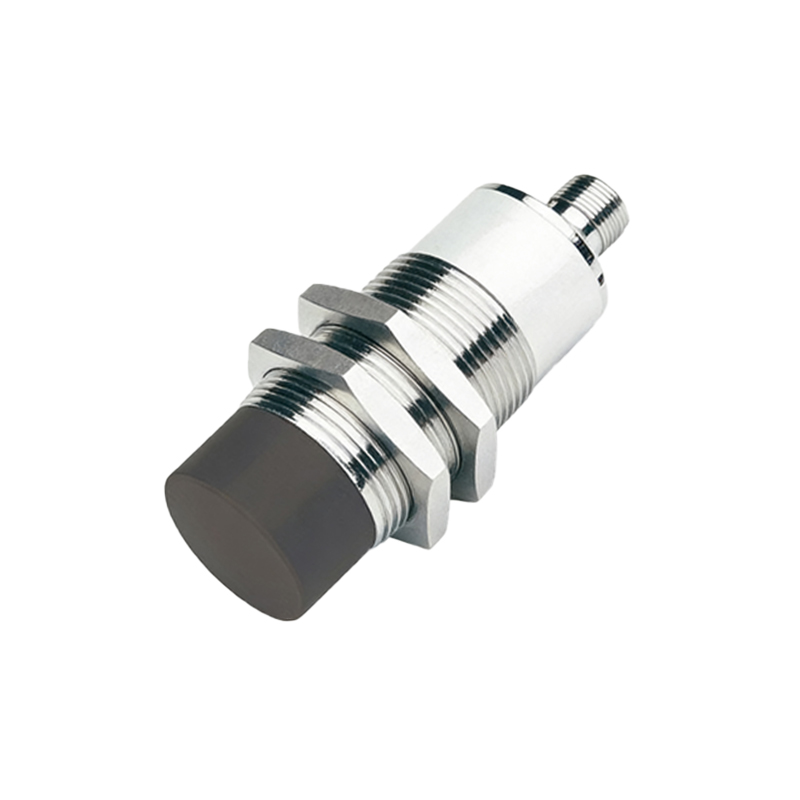
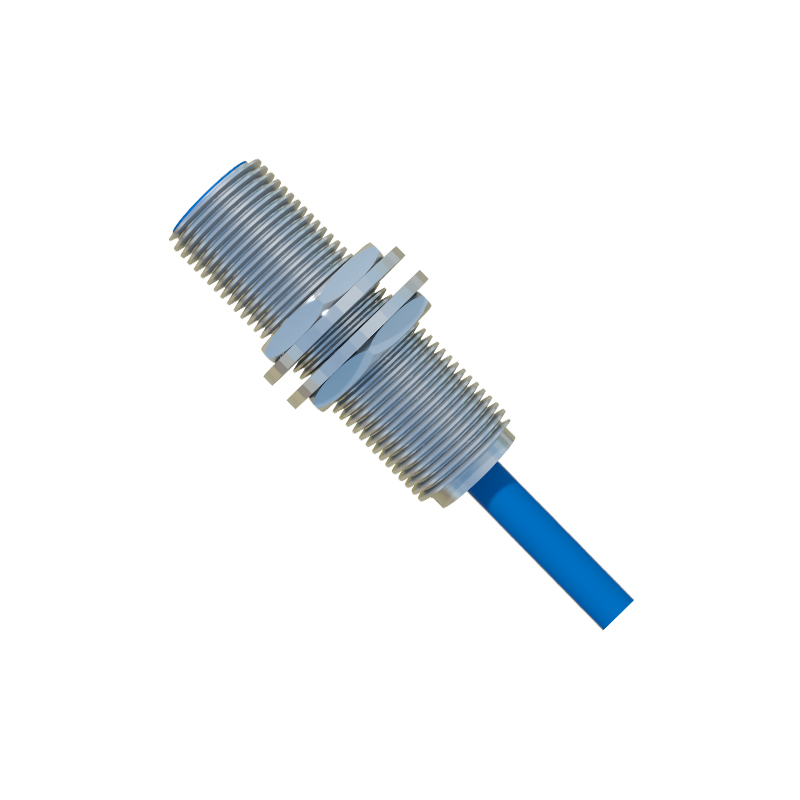
Proximity switches, also known as proximity sensors, are devices that detect the presence or absence of an object without physical contact. They work based on various principles, such as inductive, capacitive, or magnetic fields, depending on the target material. Inductive proximity switches, for example, sense metallic objects by generating an electromagnetic field, while capacitive types can detect non-metallic materials like plastics or liquids. These switches are designed to operate within a close range, typically from a few millimeters to several centimeters, and are valued for their reliability in harsh environments with dust, moisture, or vibration. They are commonly employed in manufacturing, automotive, and machinery for tasks like position sensing, limit switching, and safety interlocks. Proximity switches are known for their fast response times and durability, making them essential in high-precision industrial settings.
Key Differences Between Diffuse Sensors and Proximity Switches
While both diffuse reflective sensors and proximity switches serve as non-contact detection tools, they differ significantly in technology and application. Diffuse sensors use light-based detection, which can be influenced by environmental factors like ambient light, dust, or object color, potentially leading to false triggers. In contrast, proximity switches rely on electromagnetic or capacitive fields, offering more stable performance in dirty or variable conditions but limited to specific materials. For instance, inductive proximity switches only detect metals, whereas diffuse sensors can sense a wider range of materials, including non-metallics. Additionally, diffuse sensors often have a longer detection range, up to several meters in some models, while proximity switches are optimized for short-range operations. This makes diffuse sensors suitable for applications requiring flexible object detection, while proximity switches excel in close-proximity, high-reliability scenarios.
Applications in Industrial Contexts
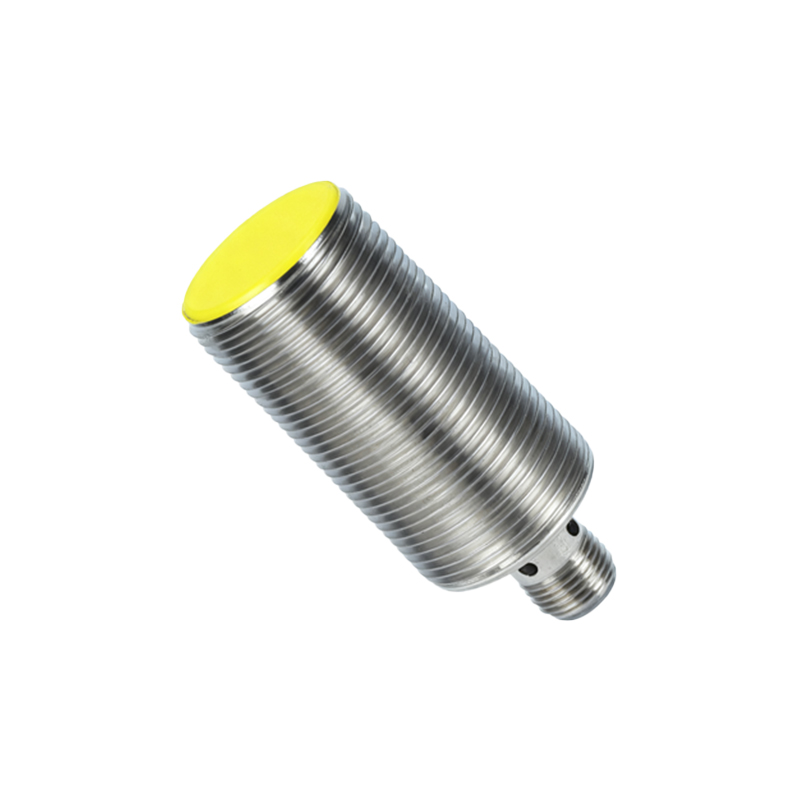
In industrial automation, the choice between diffuse reflective sensors and proximity switches depends on the specific requirements of the task. Diffuse sensors are ideal for detecting objects on production lines, such as in bottling plants where they identify transparent or colored containers, or in logistics for parcel sorting based on size or presence. Their ability to sense non-metallic objects makes them versatile for diverse industries. Proximity switches, on the other hand, are preferred in metalworking, automotive assembly, or machinery where precise, close-range detection of metallic components is crucial, such as in valve position monitoring or robotic arm end-effector alignment. Both devices contribute to efficiency and safety, but selecting the right type involves considering factors like target material, environmental conditions, and required sensing distance.
Common Misconceptions and Clarifications
A frequent misconception is that diffuse reflective sensors are a subtype of proximity switches due to their non-contact nature. However, this is inaccurate; proximity switches specifically refer to sensors using electromagnetic or capacitive principles, whereas diffuse sensors fall under the photoelectric sensor category. While both can detect objects without touch, their operational mechanisms and design standards differ. For example, proximity switches are often rated for higher durability in extreme temperatures or corrosive settings, while diffuse sensors may include features like background suppression for improved accuracy. Understanding these distinctions helps engineers avoid misapplication, ensuring optimal performance in systems. In summary, diffuse sensors are not proximity switches but rather complementary technologies in the broader field of industrial sensing.
Conclusion: Choosing the Right Sensor
To determine whether a diffuse reflective sensor or proximity switch is appropriate, evaluate the application's needs. If detecting a variety of materials over longer distances is required, and environmental light can be controlled, a diffuse sensor may be the best choice. For short-range, high-reliability detection of metallic objects in challenging conditions, a proximity switch is likely more suitable. Both play vital roles in modern automation, enhancing productivity and safety. By recognizing their unique characteristics, engineers can make informed decisions, leveraging the strengths of each technology to optimize industrial processes. Always consult technical specifications