In the realm of modern medical technology, the monitoring of respiratory parameters is critical for patient care, particularly in intensive care units, during anesthesia, and for managing chronic respiratory conditions. Traditional methods of measuring oxygen levels, such as electrochemical sensors or pulse oximeters, have served well but come with limitations including drift, calibration requirements, and sensitivity to environmental factors. The emergence of laser oxygen sensors represents a significant leap forward, offering enhanced accuracy, stability, and non-invasive capabilities that are transforming respiratory monitoring.
Laser oxygen sensors operate on the principle of tunable diode laser absorption spectroscopy (TDLAS). This technology involves directing a laser beam at a specific wavelength that corresponds to the absorption line of oxygen molecules. As the light passes through a gas sample—often in a patient's breath or within a ventilator circuit—oxygen molecules absorb some of the light. The degree of absorption is directly proportional to the concentration of oxygen present. By precisely measuring this attenuation, the sensor can calculate the oxygen partial pressure or concentration with exceptional precision. Unlike electrochemical cells that consume oxygen or degrade over time, laser-based systems are non-consumptive, meaning they do not alter the sample and maintain long-term stability without frequent recalibration.
The advantages of laser oxygen sensors in medical respiratory applications are manifold. First and foremost is their high accuracy and specificity. The laser targets only oxygen molecules, minimizing interference from other gases like water vapor, carbon dioxide, or anesthetic agents, which is a common challenge in clinical settings. This specificity ensures reliable readings even in complex gas mixtures, crucial for ventilated patients or those undergoing surgery. Additionally, these sensors offer rapid response times, often in milliseconds, allowing for real-time monitoring of breath-by-breath oxygen variations. This capability is vital for detecting acute events such as hypoxemia or apnea promptly.
Another key benefit is the non-invasive nature of many laser oxygen sensing setups. While some systems integrate into ventilator circuits for inline monitoring, others utilize exhaled breath analysis without direct blood contact. For instance, sidestream or mainstream sensors can be attached to breathing tubes, providing continuous data without drawing blood samples. This reduces infection risks, enhances patient comfort, and simplifies workflow for healthcare providers. Moreover, the durability and low maintenance of laser sensors translate to cost-effectiveness over time, as they require fewer replacements and less downtime compared to traditional sensors.

In clinical practice, laser oxygen sensors are increasingly deployed in various scenarios. In neonatal intensive care, where premature infants have delicate respiratory systems, precise oxygen monitoring prevents complications like retinopathy of prematurity caused by oxygen toxicity. During mechanical ventilation for adults, these sensors help optimize ventilator settings by ensuring accurate tidal volume and oxygen delivery, reducing the risk of lung injury. They also play a role in sleep studies for diagnosing sleep apnea, where fluctuations in oxygen saturation are tracked non-invasively throughout the night. Furthermore, in emergency medicine, portable laser-based devices enable quick assessment of respiratory distress in field settings.
Despite these advancements, challenges remain. The initial cost of laser oxygen sensors can be higher than conventional options, potentially limiting widespread adoption in resource-constrained environments. There are also technical considerations, such as alignment stability and sensitivity to temperature or pressure changes, though ongoing research is addressing these issues with robust designs and advanced algorithms. Integration into existing medical devices and electronic health records requires standardization, but collaborations between sensor manufacturers and medical equipment companies are paving the way for seamless compatibility.
Looking ahead, the future of laser oxygen sensors in medical respiratory monitoring is promising. Innovations like miniaturization and wireless connectivity could lead to wearable sensors for continuous ambulatory monitoring, empowering patients with chronic obstructive pulmonary disease (COPD) or asthma to manage their conditions proactively. The integration of artificial intelligence for data analysis may enable predictive analytics, alerting clinicians to impending respiratory failures before symptoms manifest. As technology evolves, these sensors are poised to become a cornerstone of personalized, precision medicine in respiratory care.
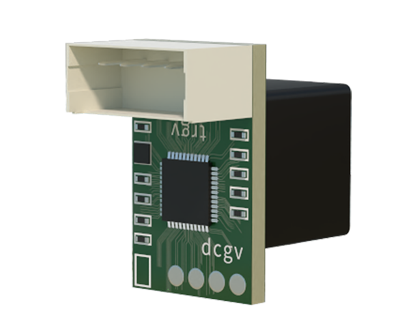
In summary, laser oxygen sensors embody a transformative approach to medical respiratory monitoring. By leveraging advanced optical techniques, they deliver unparalleled accuracy, reliability, and non-invasiveness, addressing the shortcomings of traditional methods. As healthcare continues to embrace digital innovation, these sensors will undoubtedly enhance patient outcomes, streamline clinical workflows, and open new frontiers in respiratory medicine. Their adoption signals a shift toward more intelligent, responsive, and patient-centric healthcare solutions, ultimately contributing to better respiratory health worldwide.