In the demanding environment of underground mining, safety and operational efficiency are paramount. Among the myriad of technologies deployed to achieve these goals, the mining magnetic proximity sensor stands out as a critical, yet often understated, component. These robust devices are engineered to perform reliably in some of the harshest industrial conditions on Earth, where dust, moisture, vibration, and extreme temperatures are constant challenges.
Unlike standard inductive or capacitive sensors, magnetic proximity sensors are specifically designed to detect the presence of ferromagnetic objects—primarily iron and steel—through a magnetic field. The core principle involves a reed switch or a solid-state Hall-effect element sealed within a rugged housing. When a permanent magnet or a ferrous metal target enters the sensor's detection range, it alters the magnetic field, triggering the switch to change state. This simple, contactless actuation is the foundation of its reliability.
The applications within a mining operation are diverse and vital. One of the most critical uses is in position sensing for heavy machinery, such as continuous miners, longwall shearers, and shuttle cars. Sensors are mounted to confirm the position of cutter heads, track movement, or limit the travel of equipment to prevent collisions with tunnel walls or other machinery. On conveyor systems, they monitor the speed and slippage of drive drums, providing essential data for belt alignment and preventing costly tear-ups or dangerous blockages. In shaft hoisting systems, magnetic sensors ensure the elevator cage is precisely aligned with landing levels before doors can open, a fundamental safety interlock.
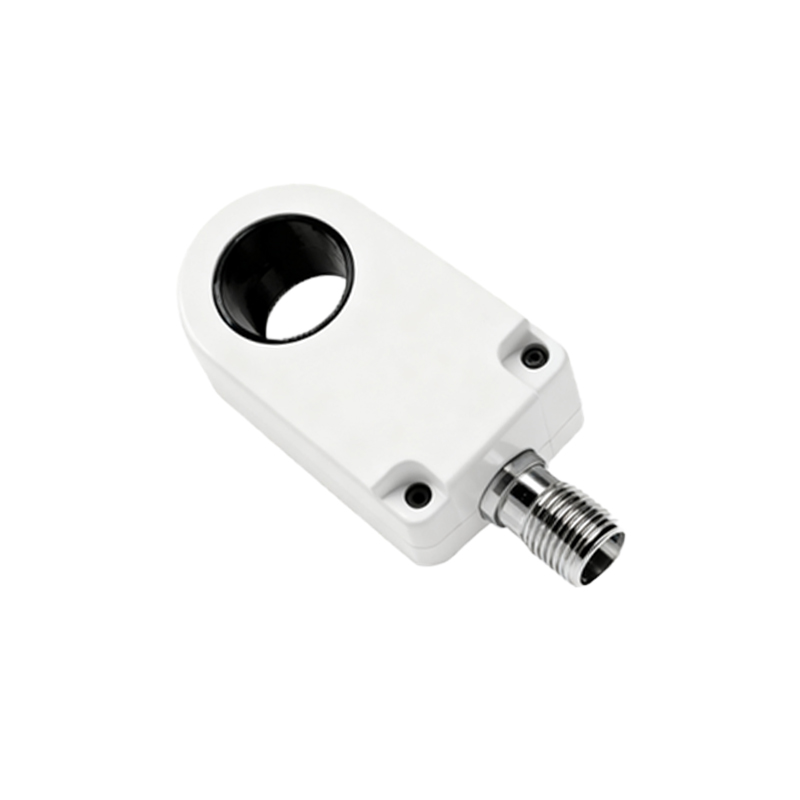
The advantages of choosing magnetic sensors for mining are compelling. Their sealed construction offers high ingress protection (IP67/IP69K or higher), making them impervious to dust and water jets from high-pressure cleaning. They are inherently resistant to the buildup of non-ferrous materials like coal dust or mineral slurry on their face, which can blind optical sensors. Furthermore, they are largely immune to acoustic noise, electrical interference from high-power drives, and the conductive effects of surrounding media—common issues in mine environments.
When selecting a magnetic proximity sensor for a mining application, several specifications are non-negotiable. The housing material is typically high-grade stainless steel (like 316L) or nickel-plated brass for corrosion resistance. The sensing range, while typically shorter than other sensor types, must be precise and consistent. Operating temperature ranges often need to span from -40°C to +85°C or more. The electrical output, whether PNP/NPN, NO/NC, or analog, must interface seamlessly with the mine's PLC control systems. Perhaps most importantly, the sensor must carry the necessary certifications for use in hazardous areas where flammable gases or dust may be present, such as ATEX, IECEx, or MSHA approvals.
Installation and maintenance, while straightforward, require attention to detail. Sensors must be securely mounted to withstand intense vibration. The alignment between the sensor and its target—often a bolt head, gear tooth, or a dedicated actuator—is critical for consistent operation. Regular checks are part of a predictive maintenance schedule, but due to their lack of moving mechanical parts and sealed design, magnetic sensors often boast exceptionally long service lives, reducing downtime and replacement costs.
The evolution of these sensors continues. Modern iterations integrate advanced diagnostics, allowing them to report not just a state change, but also parameters like signal strength or potential misalignment. Wireless-enabled sensors are beginning to appear, simplifying installation in complex or moving machinery and feeding data directly into the mine's IoT network for centralized monitoring and analytics.
In conclusion, the mining magnetic proximity sensor is a quintessential example of a simple, rugged technology solving complex problems. By providing dependable, contactless detection of metallic objects, it forms an invisible network of safety and control throughout the mining ecosystem. Its role in preventing accidents, optimizing equipment cycles, and ensuring the smooth flow of material is indispensable. As mining operations push towards greater automation and data integration, the humble magnetic sensor will continue to be a foundational pillar, its magnetic field silently safeguarding personnel and productivity deep beneath the surface.