Inductive proximity sensors are vital components in industrial automation, detecting metallic objects without physical contact. Understanding factory pricing is crucial for procurement specialists, engineers, and business owners. The base factory price for a standard inductive proximity sensor typically ranges from $15 to $80 per unit, depending on core specifications. However, this is merely a starting point. Several technical and commercial factors directly influence the final cost.
One primary determinant is sensing range. Short-range sensors (1-2mm) are generally more economical, while models offering extended ranges (up to 40mm or more) command higher prices due to more complex coil designs and signal processing requirements. The type of metal detection also plays a role. Ferrous-only sensors (detecting iron and steel) are often less expensive than models capable of detecting all metals, including non-ferrous like aluminum, copper, or brass. The latter requires higher-frequency oscillation circuits.
Build quality and housing material significantly impact cost. Economical sensors may use plastic or nickel-plated brass housings. In contrast, industrial-grade sensors feature stainless steel (e.g., V2A, V4A) housings, offering superior resistance to chemicals, mechanical stress, and washdowns, thus increasing the price. The protection rating (IP67, IP68, IP69K) is equally critical. Sensors designed for harsh environments with high IP ratings involve more sophisticated sealing techniques, raising manufacturing costs.
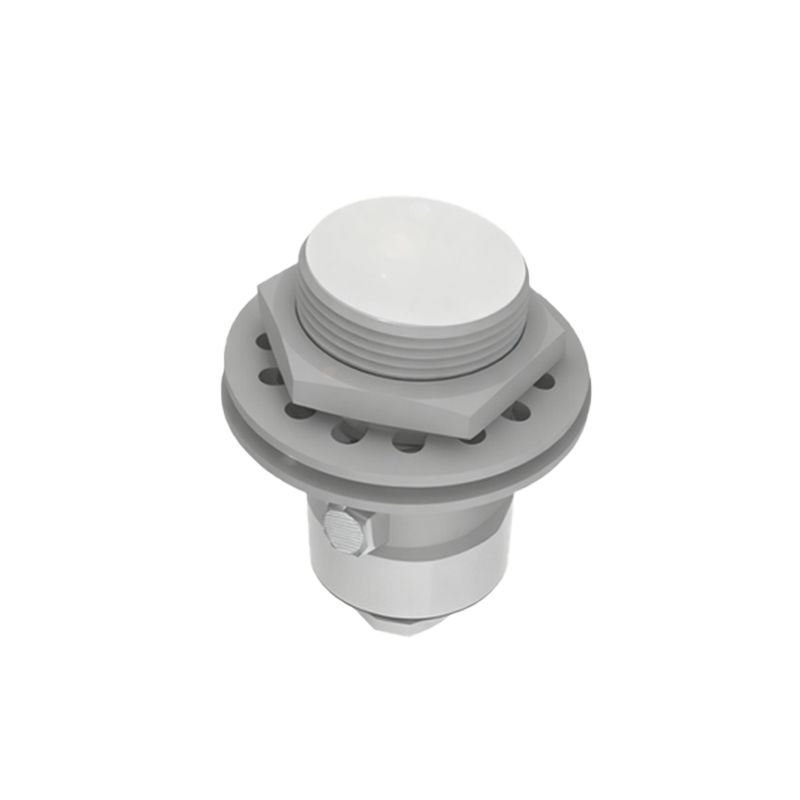
Electrical characteristics are another cost factor. Standard 3-wire DC sensors (PNP or NPN) are common and competitively priced. Special outputs, like analog (4-20mA, 0-10V) or IO-Link digital communication, add complexity and cost. Operating voltage range also matters; a wide-range DC sensor (10-30V DC) might be priced higher than a fixed 24V DC model.
Order volume remains the most powerful lever on factory price. Manufacturers offer substantial discounts for bulk purchases. A quote for 100 units will have a markedly higher per-unit cost than an order for 10,000 units. Long-term framework agreements or annual volume commitments can secure even more favorable pricing. Customization—such as special cable lengths, connectors, housing shapes, or laser-marked logos—incurs additional engineering and setup charges but can be cost-effective for large, recurring orders.
The competitive landscape is intense. Established European and American brands often price their sensors at a premium, justified by extensive R&D, global certification, and brand reputation. Asian manufacturers, particularly from China and Taiwan, offer highly competitive factory prices, sometimes 30-50% lower, while continually improving quality and technological features. The choice involves a trade-off between initial cost, perceived reliability, and total cost of ownership.
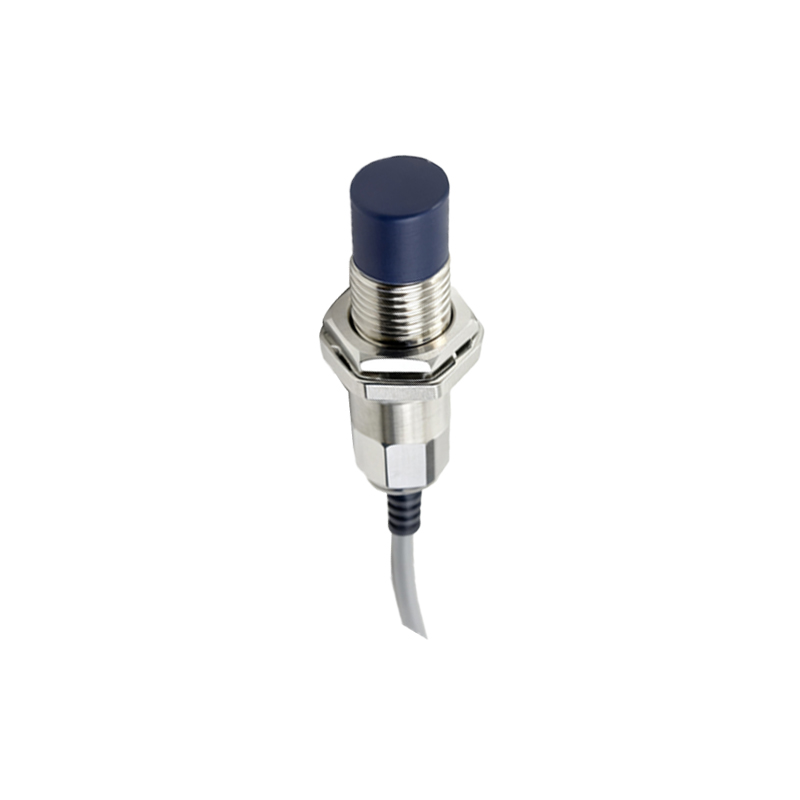
To obtain an accurate factory price, prepare a detailed specification sheet. Include required sensing distance, target material, housing size and thread (e.g., M8, M12, M18, M30), housing material, output type, voltage, protection rating, and required certifications (CE, UL, etc.). Contact multiple manufacturers or authorized distributors with this RFQ. Remember, the lowest price may not guarantee the best value. Consider warranty terms, technical support availability, lead time consistency, and the supplier's financial stability. Investing time in supplier evaluation and negotiation is essential for optimizing both procurement budget and operational reliability.