Introduction to Slot-Type Photoelectric Sensors
Slot-type photoelectric sensors, often referred to as through-beam sensors in a compact, self-contained unit, are fundamental components in modern industrial automation. The Tiangong series represents a significant advancement in this category, offering robust and reliable sensing solutions. These sensors integrate both an infrared light emitter and a receiver within a single U-shaped housing, creating a precise detection "slot." An object is detected when it passes through this slot, interrupting the light beam. This design eliminates the need for precise alignment of separate components, simplifying installation and enhancing reliability in demanding environments. Their primary function is non-contact detection, making them ideal for counting, positioning, and monitoring objects on production lines, conveyor systems, and packaging machinery.
Core Operating Principles and Technology
The operational heart of a Tiangong slot sensor is based on modulated infrared light transmission. The emitter diode generates a focused beam of infrared light, which is typically pulsed at a specific frequency. The opposing receiver is tuned to detect this exact frequency. This modulation technique provides high immunity to ambient light interference from factory lighting, such as fluorescent or LED lights, ensuring stable and accurate detection. The sensor's output state changes—either from a high to low signal or vice versa, depending on the configuration—the moment the beam is obstructed. Advanced models in the Tiangong lineup may incorporate background suppression technology or offer different sensing modes (light-on or dark-on) to provide flexibility for various application logic requirements within control systems like PLCs.
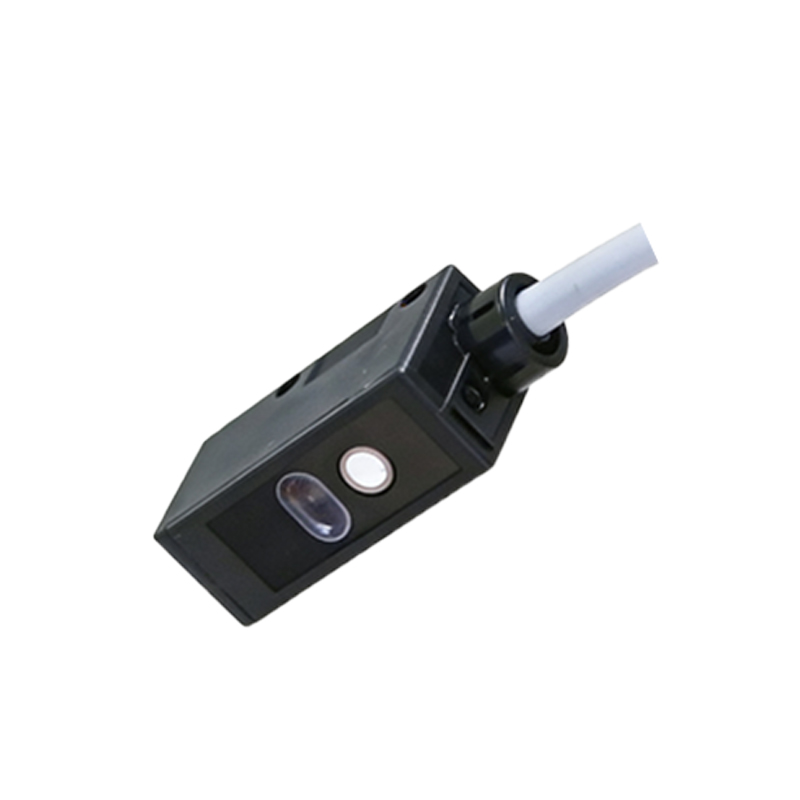
Key Features of Tiangong Slot Sensors
Tiangong slot photoelectric sensors are engineered for industrial durability and performance. A standout feature is their high switching frequency, allowing them to detect very fast-moving or small objects, which is crucial in high-speed packaging and assembly. They are commonly housed in rugged, self-contained metal or high-grade plastic casings that offer substantial resistance to dust, moisture, and mechanical impact, often meeting IP67 protection ratings. Many models feature a visible red indicator beam, simplifying initial setup and troubleshooting. Furthermore, they are designed with wide operating voltage ranges (e.g., 10-30V DC) to accommodate different power supplies on the factory floor. The compact and standardized form factor of these sensors ensures easy integration into existing machinery and fixtures.
Primary Industrial Applications
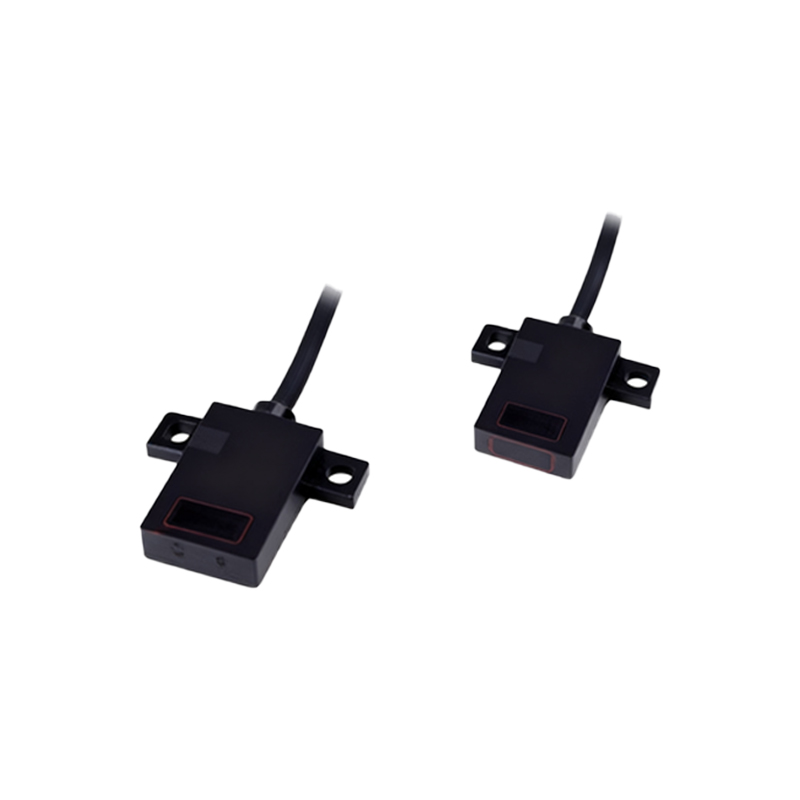
The application spectrum for Tiangong slot sensors is vast within automation. They are extensively used for precise object counting on conveyor belts, detecting the presence of bottles, cans, or packages. In printing and paper processing, they accurately sense the edge of paper or film for registration control. They play a critical role in security systems, acting as safety interlocks by detecting when a protective door or guard is open. Within automated assembly stations, these sensors verify the presence of components before a robotic arm engages. Their ability to detect transparent objects, like glass or clear plastic, with high reliability makes them indispensable in pharmaceutical and beverage industries, where ensuring container presence is paramount for filling operations.
Advantages Over Other Sensor Types
Compared to other proximity sensing technologies, slot-type photoelectric sensors offer distinct benefits. Unlike diffuse reflective sensors, their through-beam principle within a single housing provides a consistent and strong signal, allowing for longer sensing ranges within the slot and more reliable detection regardless of the object's color, surface texture, or reflectivity. They are generally more precise and repeatable than mechanical limit switches, which suffer from wear and tear. When contrasted with separate emitter-receiver through-beam pairs, the slot-type design guarantees perfect optical alignment, drastically reducing installation time and eliminating drift due to vibration. This inherent alignment stability translates to lower maintenance requirements and higher system uptime.
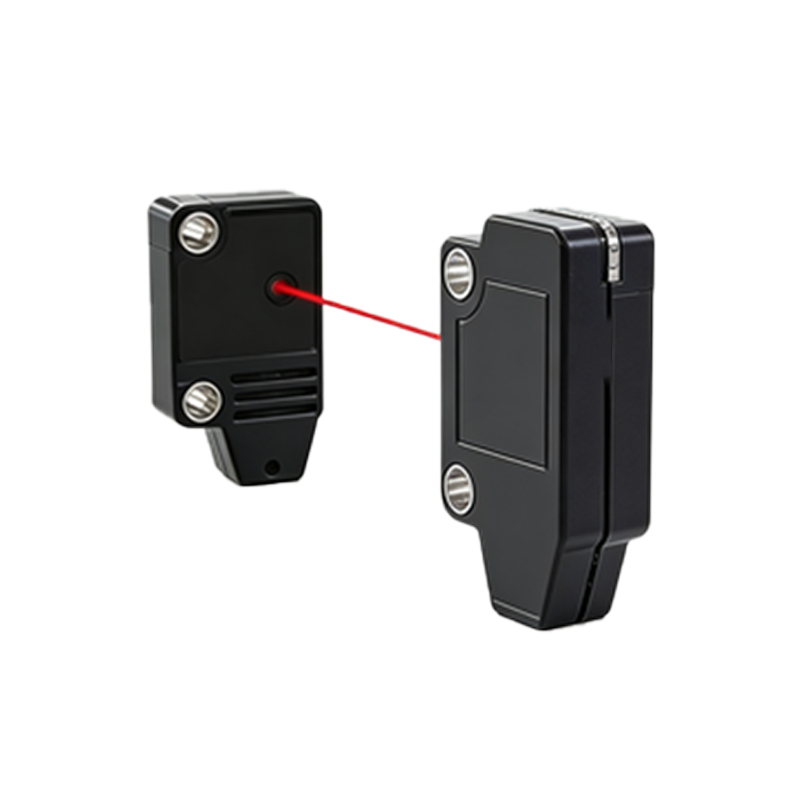
Installation and Maintenance Best Practices
Correct installation is key to maximizing the performance and lifespan of a Tiangong slot sensor. The sensor must be securely mounted to minimize vibration. It is crucial to ensure that the target object passes completely through the slot and adequately interrupts the beam. The operating environment should be considered; while resistant, excessive buildup of dust or debris on the lenses can attenuate the signal, necessitating periodic cleaning. Electrical connections should be made following the manufacturer's datasheet, paying attention to polarity, load specifications, and the use of surge protection in environments with inductive loads. Regular functional checks as part of preventive maintenance can prevent unexpected downtime in critical processes.
Future Trends and Integration
The future of slot-type sensors, including the Tiangong series, is leaning towards smarter and more integrated solutions. We are seeing trends towards sensors with IO-Link capability, which allows for digital parameter setting, remote monitoring of device health (like lens contamination), and advanced diagnostics directly to the control system. This facilitates predictive maintenance strategies. Furthermore, miniaturization continues, enabling their use in increasingly compact machinery and robotics. Enhanced materials and coatings are being developed to withstand harsher chemical environments and extreme temperatures. Integration with industrial IoT platforms will further elevate their role from simple detection devices to valuable sources of machine performance data.