Introduction to Photoelectric Sensors
Photoelectric sensors are essential components in modern industrial automation, utilizing light beams to detect the presence, absence, or distance of objects. These sensors operate by emitting a light source—typically infrared, visible, or laser light—and measuring changes in the received light intensity. The core principle involves a transmitter that projects light and a receiver that captures the reflected or transmitted beam. When an object interrupts or reflects the light, the sensor triggers an electrical signal, enabling precise control in machinery and processes. Their reliability, speed, and non-contact nature make them ideal for harsh environments where mechanical wear or contamination is a concern. From manufacturing lines to robotics, photoelectric sensors enhance efficiency by enabling real-time monitoring and automation.
Key Components of Photoelectric Sensors
The functionality of photoelectric sensors relies on several critical components. The light emitter, often an LED or laser diode, generates the optical signal. Infrared LEDs are common due to their energy efficiency and resistance to interference, while laser diodes offer focused beams for long-range detection. The receiver component typically includes a phototransistor or photodiode that converts incoming light into an electrical current. Amplifiers and signal processors are integrated to enhance sensitivity and filter noise, ensuring accurate detection even in low-light conditions. Housing materials, such as stainless steel or plastic, provide durability and protection against dust, moisture, and mechanical impacts. Additionally, lenses and filters may be used to direct light beams and reduce ambient light interference, optimizing performance across diverse applications.
Types of Photoelectric Sensors
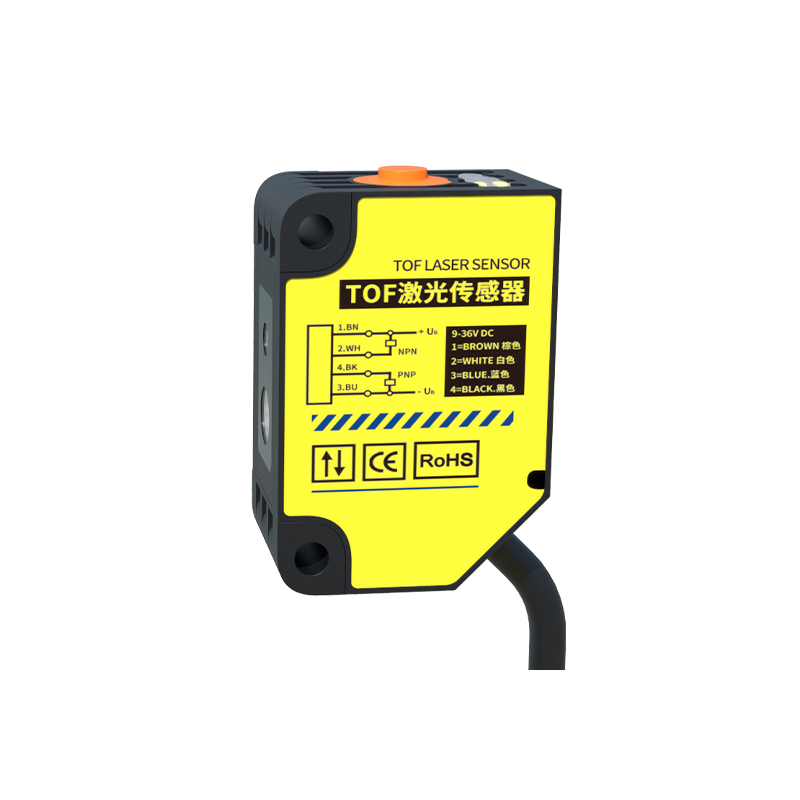
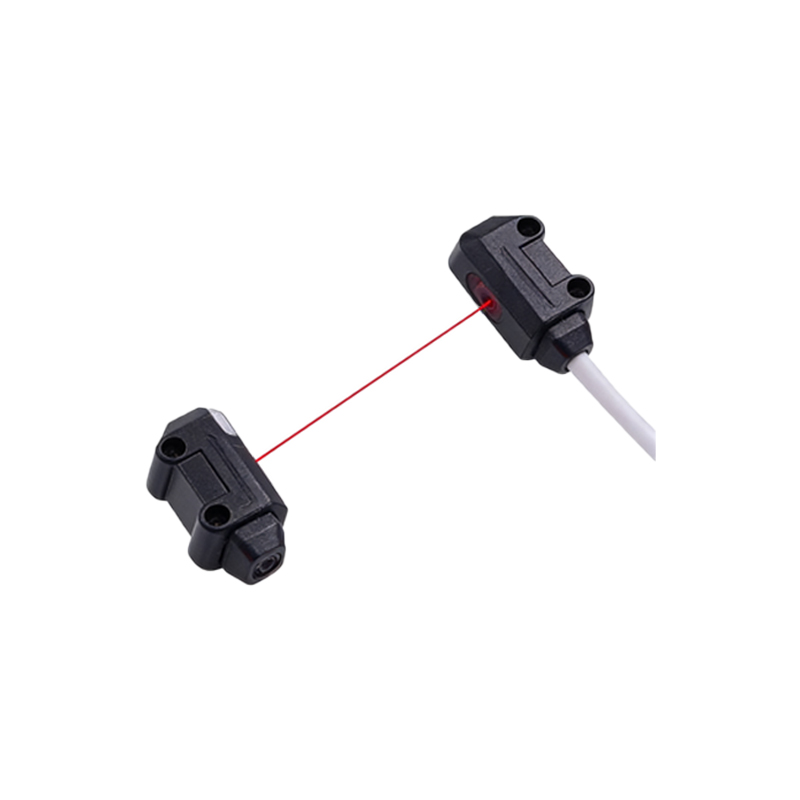
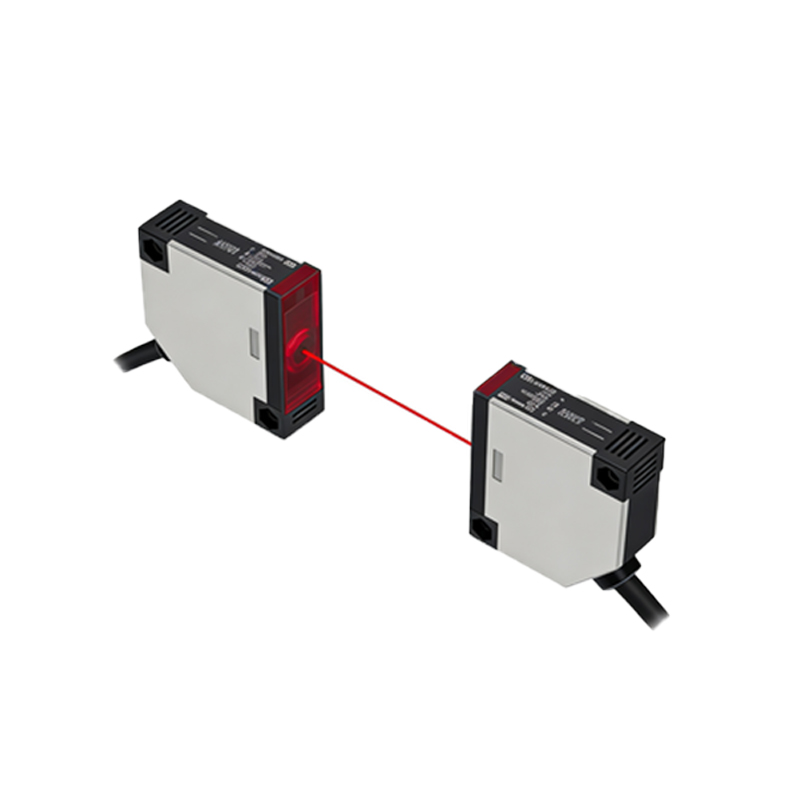
Photoelectric sensors are categorized based on their detection methods, each suited for specific industrial tasks. Through-beam sensors consist of separate emitter and receiver units; they detect objects that break the light beam, offering high accuracy over long distances. Retro-reflective sensors use a reflector to bounce light back to the receiver, making them compact and easy to install for medium-range applications. Diffuse reflective sensors have combined emitter and receiver in one housing, detecting objects that scatter light back, ideal for short-range tasks like proximity sensing. Background suppression sensors differentiate objects from backgrounds by measuring light angle or intensity, useful in complex environments. Color mark sensors detect specific color contrasts, often in packaging or printing industries, while fiber optic sensors employ flexible cables for confined spaces or high-temperature areas.
Applications in Industrial Automation
In industrial settings, photoelectric sensors play a pivotal role in enhancing productivity and safety. On assembly lines, they count products, verify positions, and trigger robotic arms for precise handling. In packaging, sensors ensure correct labeling and seal integrity by detecting misaligned items. Automotive manufacturing relies on them for part inspection and weld verification, reducing defects. Logistics and warehousing use sensors for conveyor belt control and inventory management, automating sorting processes. Additionally, in hazardous environments—such as chemical plants—they monitor equipment without physical contact, minimizing risks. Their adaptability allows integration with PLCs (Programmable Logic Controllers) and IoT systems, enabling smart factories with real-time data analytics for predictive maintenance and optimization.
Selection Criteria and Maintenance Tips
Choosing the right photoelectric sensor involves evaluating factors like sensing range, response time, and environmental conditions. For long-distance detection, through-beam or laser-based sensors are preferred, while diffuse types suit close-range applications. Consider the object's material and color; dark or transparent items may require sensors with adjustable sensitivity. Environmental resilience is crucial—opt for IP-rated housings for dust or water exposure. Regular maintenance ensures longevity: clean lenses periodically to prevent false triggers from dirt buildup, check alignments in through-beam setups, and calibrate sensitivity as needed. Avoid direct sunlight or strong ambient light that could interfere with readings. Upgrading to modern sensors with digital interfaces can improve compatibility with automated systems, reducing downtime and operational costs.
Future Trends in Photoelectric Sensing
Advancements in photoelectric sensor technology are driving innovation in Industry 4.0. Miniaturization allows for smaller sensors with higher precision, fitting into compact devices like wearable tech or micro-robotics. Smart sensors with embedded AI capabilities can analyze light patterns for predictive diagnostics, identifying wear before failures occur. Integration with wireless networks enables remote monitoring and control, facilitating decentralized automation. Energy-efficient designs, such as solar-powered sensors, support sustainable operations. Additionally, hybrid sensors combining photoelectric with other technologies—like ultrasonic or vision systems—offer multi-functional detection for complex tasks. As industries embrace automation, photoelectric sensors will continue evolving, providing faster, more reliable solutions for smart manufacturing and beyond.