Understanding the Fundamentals of Two-Wire Proximity Sensors
Two-wire proximity sensors represent a fundamental and widely adopted technology in industrial automation. Unlike their three-wire or four-wire counterparts, these devices simplify wiring by combining the power supply and the switching signal into a single pair of wires. This design inherently makes them easier to install and integrate into existing control systems, particularly where space is constrained or wiring complexity needs minimization. The core principle involves the sensor drawing a small quiescent current (leakage current) when in the "off" state. Upon detecting a target within its sensing range, the internal switching element (typically a solid-state device) activates, allowing a significantly higher current to flow, which is interpreted as an "on" signal by the connected controller, such as a PLC input module. This operation requires careful consideration of the residual current to ensure it does not falsely trigger the controller.
Key Operating Principles and Technologies
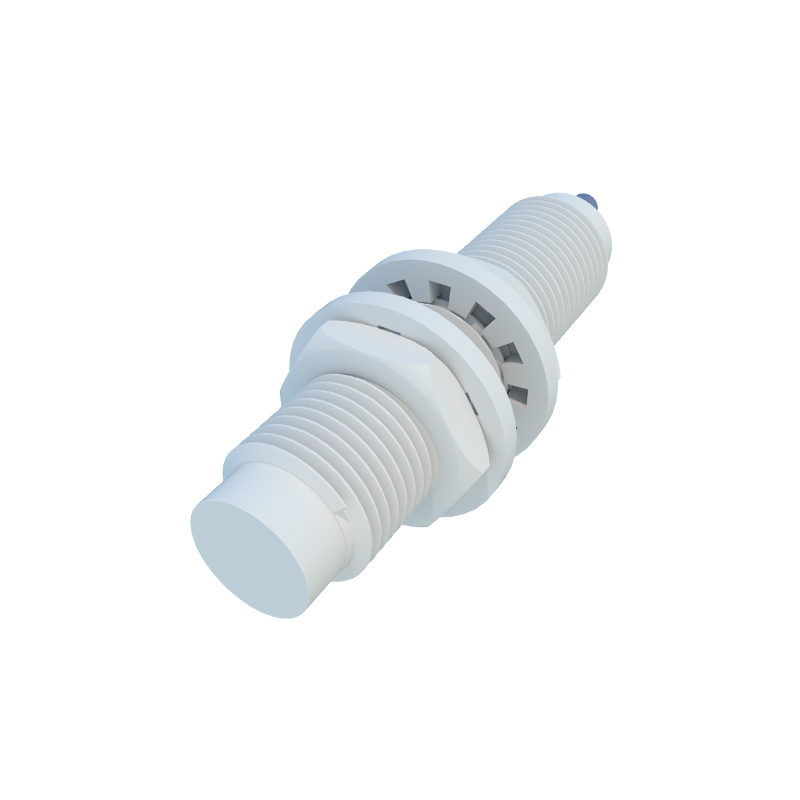
The sensing technology within a two-wire housing can vary, primarily including inductive, capacitive, and ultrasonic types. Inductive sensors are the most common for metallic object detection. They generate an electromagnetic field; when a metal target enters this field, it causes a change in oscillation amplitude, triggering the switch. Capacitive sensors can detect both metallic and non-metallic materials (like plastics, liquids, or wood) by measuring changes in capacitance caused by the target's dielectric properties. The two-wire configuration applies to all these technologies, offering a universal interface. A critical aspect of their operation is the voltage drop across the sensor when active. This drop, along with the leakage current in the off state, must be compatible with the input characteristics of the connected load to ensure reliable switching without malfunction.
Advantages in Industrial Applications
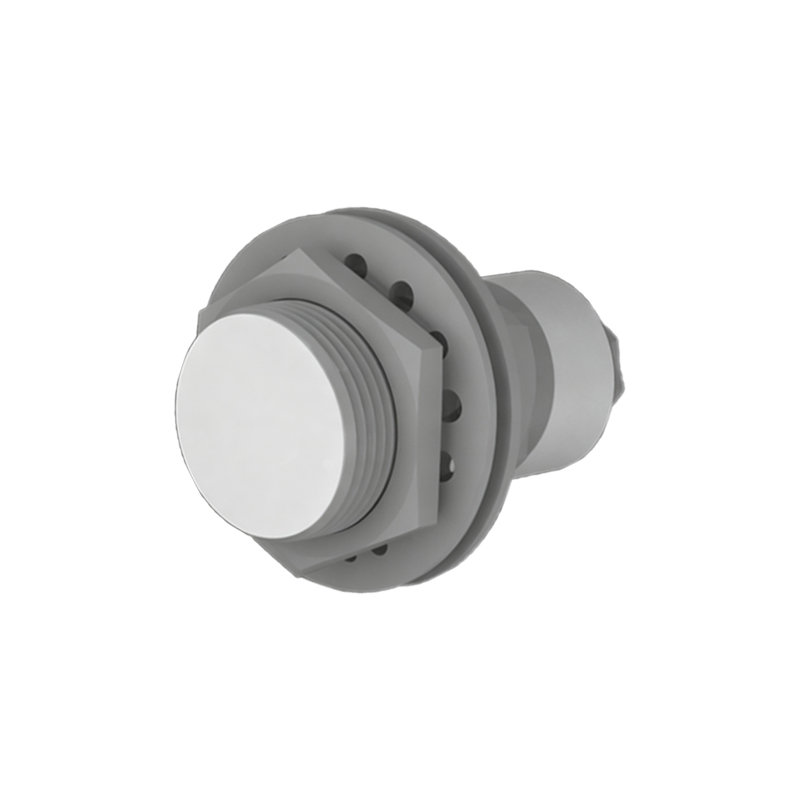
The primary advantage of two-wire sensors is installation simplicity. With only two wires to connect—typically in series with the load and the power supply—they reduce material costs, installation time, and potential wiring errors. This makes them ideal for high-volume point applications or system expansions. They offer enhanced safety in certain scenarios because the switching element can be designed to fail in a safe state (open circuit). Furthermore, their streamlined design often allows for more compact housings, enabling installation in tight spaces where a three-wire sensor with its separate supply wire might not fit. Their compatibility with standard AC or DC supplies, and many programmable logic controller (PLC) inputs, adds to their versatility across diverse industrial environments.
Considerations and Limitations for System Design
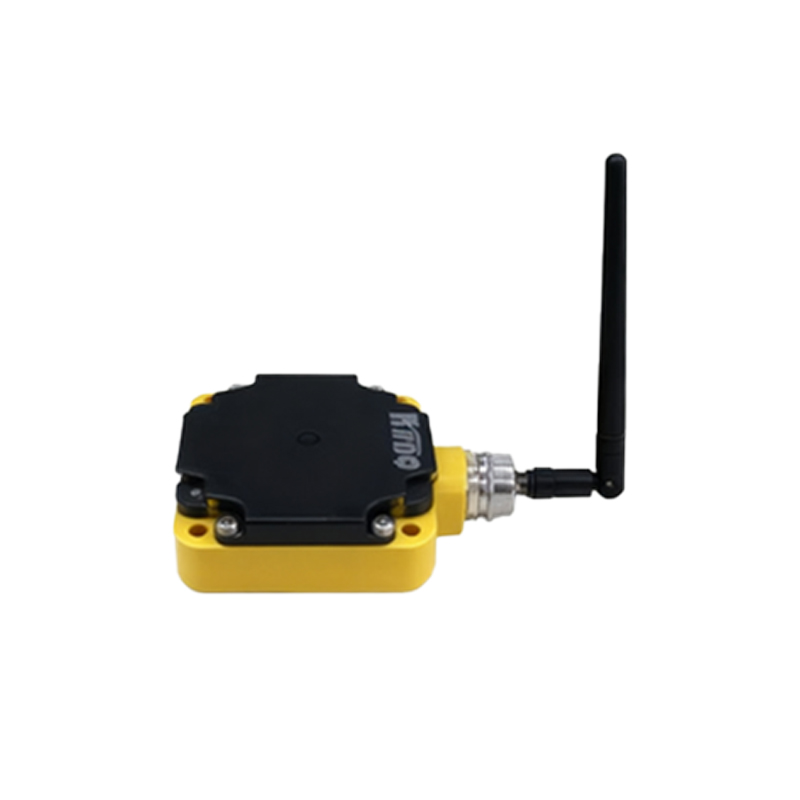
Despite their benefits, engineers must account for specific limitations. The leakage current is paramount. In the off state, a small current still flows. If this current exceeds the minimum operating current requirement of the connected load (e.g., a PLC digital input), it may cause the load to remain active or chatter. Conversely, the voltage drop across the sensor when "on" must be low enough to ensure sufficient voltage reaches the load for proper operation. Power dissipation is another factor; the sensor dissipates heat based on the load current and its internal voltage drop. Designers must ensure the sensor's rated current is not exceeded and consider ambient temperature conditions. Additionally, switching frequency and response time might be slightly different compared to three-wire versions, which is critical for high-speed applications.
Selection Criteria for Optimal Performance
Selecting the correct two-wire proximity sensor requires a systematic approach. First, define the sensing object material to choose between inductive, capacitive, or other types. Next, determine the required sensing distance, ensuring a 10-20% safety margin from the rated nominal range. The electrical characteristics are crucial: the operating voltage range (e.g., 20-250V AC/DC), the maximum continuous current rating, and the specific leakage current and voltage drop values must align with the control system's specifications. Environmental factors like IP rating (for dust and water ingress), temperature range, and resistance to chemicals or mechanical shock must suit the application environment. Finally, consider the output function (normally open or normally closed) and housing style (threaded barrel, rectangular, etc.) for physical integration.
Typical Application Scenarios in Automation
Two-wire proximity sensors find extensive use across manufacturing and process industries. Common applications include position detection on conveyor systems to count objects or verify part presence. They are used as limit switches on automated machinery, such as verifying the end-of-travel position of a cylinder or a sliding door. In material handling, they detect the level of bulk materials in bins or the presence of packages on a line. Their simple wiring makes them popular for distributed I/O systems and in control panels where minimizing wire count is a priority.