In industrial and outdoor applications, laser sensors often face challenging environmental conditions, with water exposure being a primary concern. The ability of a laser sensor to resist water ingress is critical for ensuring reliable performance, longevity, and safety. This capability is formally defined by its waterproof rating, typically communicated through standardized codes such as the Ingress Protection (IP) rating system established by the International Electrotechnical Commission (IEC).
The IP rating is a two-digit code. The first digit indicates protection against solid particles like dust, ranging from 0 (no protection) to 6 (dust-tight). The second digit specifies protection against liquids, primarily water. This is the key figure for assessing waterproof capability. Common ratings for laser sensors include IP65, IP66, IP67, and IP68.
An IP65-rated sensor is deemed "dust-tight" and protected against low-pressure water jets from any direction. It is suitable for applications where the sensor may be exposed to rain or washing down but not submersion. An IP66 rating offers protection against powerful water jets, making it robust for harsher outdoor industrial settings.
A significant jump occurs with IP67. A sensor with this rating can withstand temporary immersion in water—typically up to 1 meter in depth for 30 minutes. This is ideal for applications where accidental submersion is a risk or in very wet environments. The highest commonly encountered rating, IP68, indicates the sensor is suitable for continuous immersion under conditions specified by the manufacturer, often at greater depths or for longer durations than IP67.

Selecting the appropriate waterproof rating requires a careful analysis of the operating environment. For indoor factory automation with occasional splashes, IP65 may suffice. For agricultural machinery, construction equipment, or marine applications exposed to heavy rain, high-pressure cleaning, or potential submersion, IP66, IP67, or IP68 become necessary. It is a misconception that a higher rating is always better; over-specification can lead to unnecessary cost without added benefit.
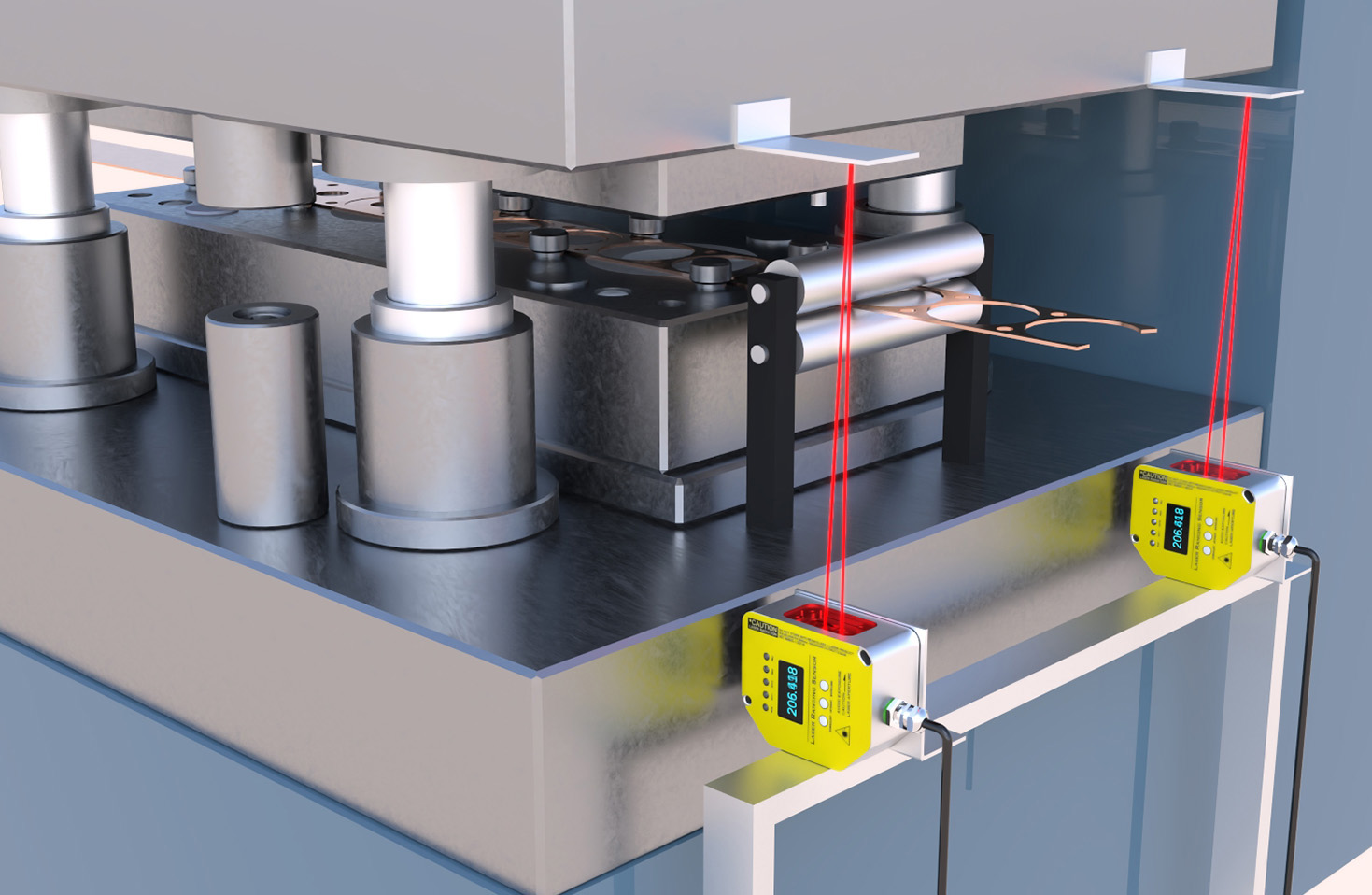
Beyond the IP code, other factors influence a laser sensor's real-world water resistance. The quality of seals and gaskets, the materials used for the housing (such as stainless steel or engineered plastics), and the design of cable entry points are paramount. Even a high IP-rated sensor can fail if its cable gland is improperly installed. Furthermore, water resistance can be compromised over time due to material degradation, physical damage, or extreme thermal cycling.
Maintenance plays a crucial role in preserving the stated waterproof integrity. Regular inspection of seals, ensuring cable glands are tight and undamaged, and cleaning the sensor housing according to manufacturer guidelines are essential practices. It is also vital to understand that waterproof ratings are tested under fresh water conditions. Resistance to other liquids, like oils or chemicals, may differ and should be verified separately.

In conclusion, the waterproof rating of a laser sensor, encapsulated in its IP code, is a vital specification for deployment in humid, wet, or wash-down environments. Understanding the meaning behind IP65, IP66, IP67, and IP68 allows engineers and system integrators to make informed decisions, matching the sensor's protection level to the specific environmental demands. This ensures not only the accuracy and reliability of measurements but also maximizes the return on investment by preventing premature sensor failure. Always consult the manufacturer's detailed specifications and test reports for the most accurate application guidance.