Introduction to Photoelectric Sensing in Automation
Photoelectric sensors are fundamental components in modern industrial automation, serving as the "eyes" of machinery. In the context of face mask production, especially within manufacturing hubs like Jurong, these sensors play a critical role in ensuring efficiency, precision, and quality control. They operate on the principle of emitting a light beam—typically infrared, visible red, or laser—and detecting changes in the received light signal. This non-contact method of detection is ideal for high-speed production lines where reliability and hygiene are paramount. The transition from manual assembly to automated lines for face masks has significantly increased the demand for robust and accurate sensing solutions.
Key Applications in Face Mask Production Lines
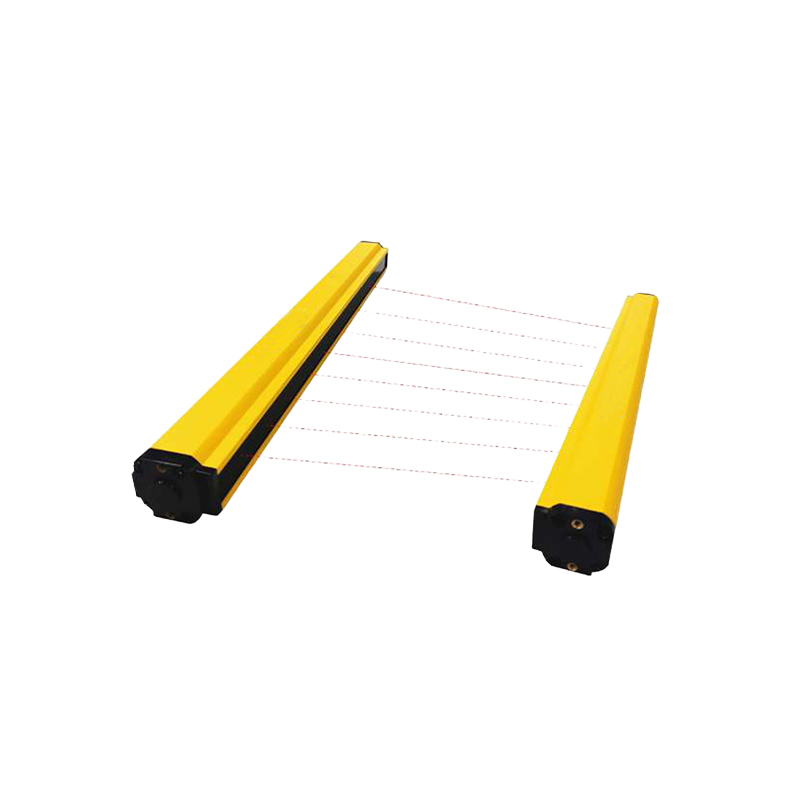
Within a typical automated face mask machine, photoelectric sensors are deployed at multiple stages. At the material feeding section, through-beam sensors verify the presence and correct alignment of non-woven fabric rolls, preventing jams and material waste. Diffuse reflective sensors are commonly used to detect individual mask blanks or ear loops on conveyor belts, ensuring precise counting and spacing. During the folding and welding processes, precise background suppression sensors can distinguish the mask material from the machine's metallic background, triggering the ultrasonic welder at the exact moment. Finally, at the packaging stage, sensors verify that finished masks are correctly oriented and present before sealing.
Selection Criteria for Jurong's Manufacturing Environment
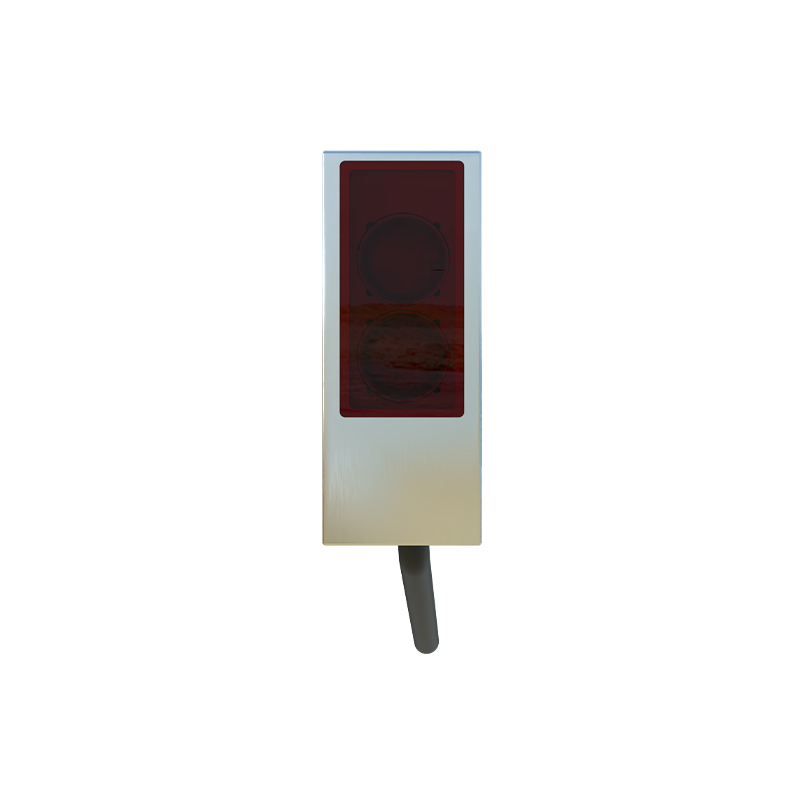
Selecting the right photoelectric sensor for mask machinery in Jurong involves several technical considerations. The high-speed nature of production requires sensors with fast response times, often in the microsecond range. Environmental factors like dust from fabric particles necessitate sensors with high ingress protection (IP) ratings, such as IP67, to ensure longevity. The sensing range and beam type must be matched to the application; for detecting thin, translucent materials, a focused laser sensor might be preferred over a standard diffuse model. Furthermore, compatibility with Programmable Logic Controllers (PLCs) used in Jurong's factories is essential, making sensors with standard output types (PNP/NPN) and communication protocols a practical choice.
Technical Challenges and Sensor Solutions
Face mask production presents unique challenges. The materials—non-woven fabric, melt-blown filters, and nose wires—vary in color, thickness, and translucency. A sensor calibrated for white fabric may fail to detect a blue one. Advanced sensors with teach-in functionality or automatic background suppression can adapt to these variations. Another challenge is the minimal contrast between the mask material and its surroundings. Contrast sensors, which evaluate the reflectivity of a surface, are particularly effective here. For detecting the thin metal nose strip embedded within the mask, specialized sensors capable of sensing small metallic objects through non-metallic coverings are employed.
Trends and Innovations in Sensor Technology
The industry is witnessing a shift towards smarter, more integrated sensors. IO-Link communication is becoming increasingly popular in Jurong's advanced manufacturing setups. This technology allows sensors to transmit not just a simple on/off signal but also diagnostic data, such as operating temperature, lens contamination levels, and signal strength, enabling predictive maintenance. Furthermore, the miniaturization of sensors allows for their installation in increasingly compact machine designs. The development of sensors with integrated logic functions can perform simple tasks locally, reducing the processing load on the main PLC and increasing system responsiveness.
Importance of Reliability and Maintenance
In a 24/7 production environment, sensor reliability directly impacts Overall Equipment Effectiveness (OEE). Downtime due to sensor failure is costly. Therefore, choosing sensors from reputable manufacturers known for durability is crucial. Regular maintenance involves keeping the emitter and receiver lenses clean from dust and debris, which can attenuate the light beam and cause false triggers. Many modern sensors feature built-in stability indicators or contamination warnings via an LED or IO-Link to alert operators before a failure occurs. Establishing a routine calibration check, especially after material changeovers, ensures consistent performance.
Conclusion: Enabling Efficient Production
Photoelectric sensors are indispensable in automating face mask production in Jurong. Their ability to provide accurate, non-contact detection across various challenging applications—from material handling to final packaging—forms the backbone of a reliable and efficient manufacturing line. As technology advances, these sensors are becoming more intelligent, robust, and adaptable, further enhancing production capabilities. For engineers and machine builders in Jurong and beyond, a deep understanding of photoelectric sensor selection, application, and integration is key to building competitive and high-quality mask manufacturing machinery.