Introduction to the 13PM Proximity Sensor
The 13PM series represents a significant category of inductive proximity sensors widely utilized in industrial automation and control systems. These robust, non-contact devices are engineered to detect the presence or absence of metallic objects with high reliability and precision. Operating on the principle of electromagnetic induction, the 13PM sensor generates an oscillating electromagnetic field from its sensing face. When a metallic target enters this field, eddy currents are induced within the target, causing a change in the oscillation amplitude. This change is detected by the sensor's internal circuitry, which subsequently triggers a solid-state output switch. This fundamental operation makes the 13PM an indispensable component for tasks such as position verification, counting, and end-of-travel detection in harsh manufacturing environments.
Key Technical Specifications and Design Features
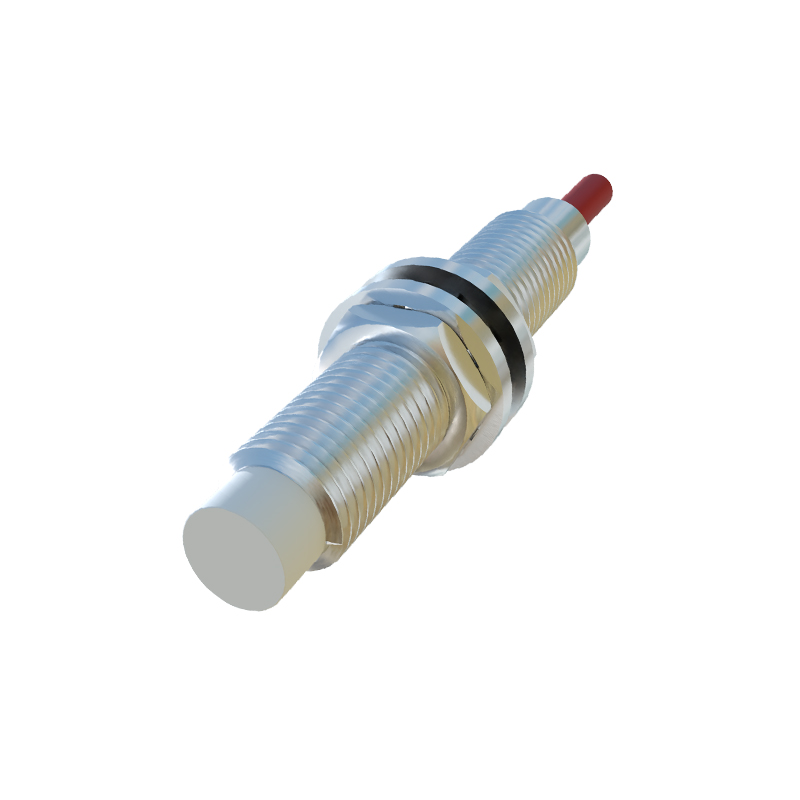
A defining characteristic of the 13PM sensor is its cylindrical threaded metal housing, typically offering protection ratings of IP67 or higher, making it resistant to dust, oils, and temporary immersion. Common sensing distances for this series range from 2mm to 8mm, depending on the specific model and target material. These sensors are predominantly available in DC versions (often 10-30V DC) with NPN (sinking) or PNP (sourcing) transistor outputs, providing compatibility with a vast array of programmable logic controllers (PLCs) and control systems. The housing is frequently constructed from nickel-plated brass or stainless steel, ensuring durability against mechanical impact and corrosive substances. Many models feature a built-in LED status indicator, which provides immediate visual confirmation of the sensor's operational state and output activation, a critical feature for troubleshooting.
Wiring Configurations and Electrical Considerations
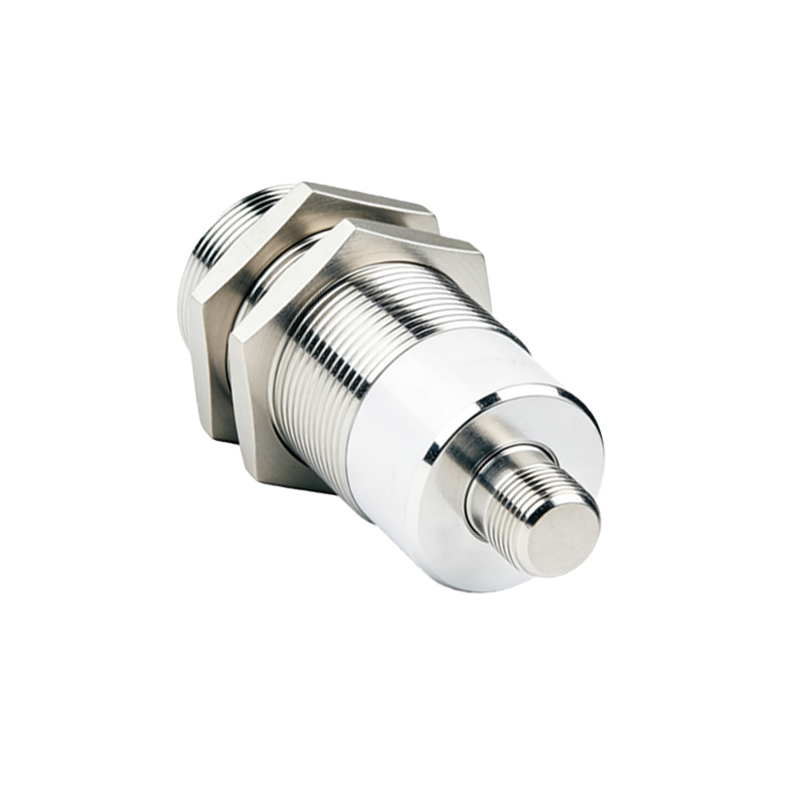
Correct wiring is paramount for the safe and effective operation of the 13PM proximity sensor. The standard three-wire configuration includes connections for power supply positive (brown wire), power supply negative (blue wire), and the switched output signal (black wire). For DC models, it is crucial to match the sensor's output type (NPN or PNP) with the input requirements of the connected controller. An NPN sensor switches the negative (0V) line to the load, while a PNP sensor switches the positive voltage line. Additionally, attention must be paid to the load current rating to avoid overloading the sensor's solid-state switch. For installations in electrically noisy environments, using shielded cables and ensuring proper grounding is highly recommended to prevent false triggering and ensure signal integrity.
Application Scenarios in Industrial Automation
The versatility of the 13PM sensor lends itself to a multitude of applications across various industries. In automotive assembly lines, they are used to detect the presence of engine blocks or confirm the position of robotic arms. Within packaging machinery, these sensors count metallic items on conveyor belts or verify that a metal lid is properly seated. In metalworking and CNC machining centers, 13PM sensors serve as tool presence detectors or work piece position verifiers. Their robust design allows them to perform reliably in these demanding settings where exposure to coolant, metal chips, and constant vibration is commonplace. The non-contact nature of their operation eliminates mechanical wear, leading to exceptionally long service life and reduced maintenance.
Installation Best Practices and Alignment
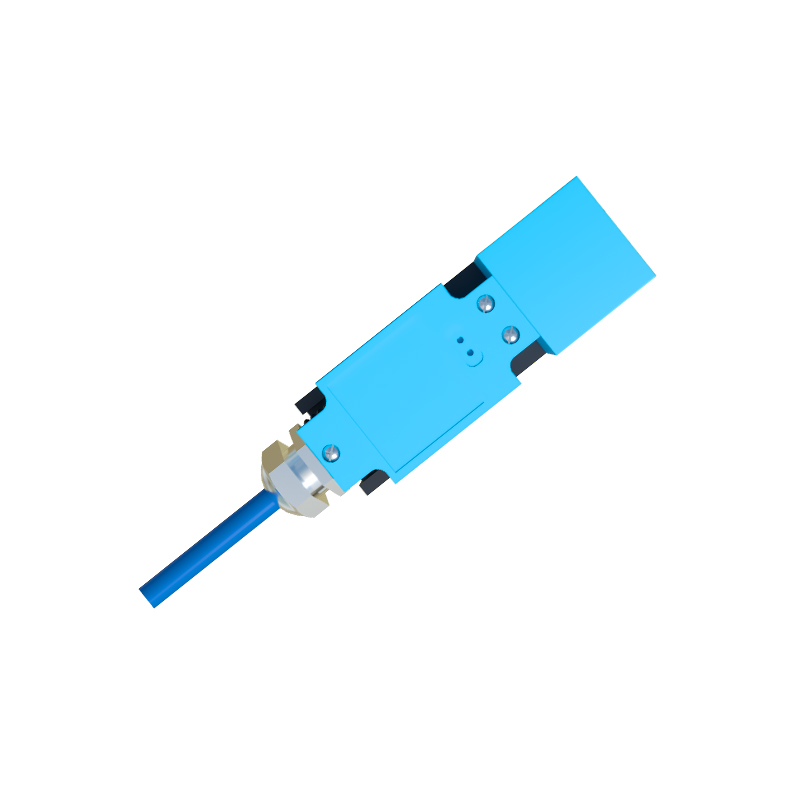
Proper installation is critical to achieving the specified sensing performance. The sensor should be mounted securely using its threaded body, taking care not to exceed the recommended tightening torque to avoid damaging the housing. It is essential to maintain the correct clearance around the sensing face; mounting the sensor in a metal surface may require a non-ferrous mounting bracket or adherence to specific flush-mounting guidelines to prevent a reduction in the effective sensing range. The target object must approach the sensor's face perpendicularly for optimal detection. For sensing small or irregularly shaped targets, it may be necessary to conduct practical tests to determine the exact effective sensing distance, as it can be less than the rated value for non-standard target shapes and sizes.
Troubleshooting Common Operational Issues
Despite their reliability, 13PM sensors can encounter issues. A frequent problem is failure to detect a target. This can stem from an incorrect power supply voltage, a wiring error (e.g., confusing NPN and PNP), or the target being outside the sensor's range or made of an unsuitable material (e.g., non-ferrous metals have a shorter sensing range than steel). Continuous output activation, even without a target present, might indicate sensor damage or electrical noise interference. Physical inspection for damage to the sensing face or cable, verification of voltage levels with a multimeter, and checking the indicator LED are standard diagnostic steps. Always refer to the manufacturer's datasheet for specific diagnostic procedures and ensure power is disconnected before handling wiring.