In the intricate dance of modern industrial automation, where precision and safety are paramount, a silent class of components works tirelessly to ensure seamless operation. Among these, beam proximity sensors stand out as critical, yet often overlooked, guardians. These devices, which detect the presence or absence of an object without physical contact, form the backbone of countless systems, from high-speed assembly lines to sophisticated robotic workcells. Unlike their mechanical switch predecessors, beam sensors offer unparalleled reliability, longevity, and speed, making them indispensable in today's fast-paced manufacturing environments.
The core principle behind a beam proximity sensor is elegantly simple. It typically consists of two separate units: an emitter and a receiver. The emitter projects a beam of light—often infrared, laser, or modulated LED light—towards the receiver. When an object interrupts this beam, the receiver detects the change in light intensity and sends a signal to the control system. This non-contact detection method eliminates wear and tear, a significant advantage over mechanical limit switches that degrade with each actuation. The absence of physical contact also allows for extremely high-speed detection, capable of sensing objects passing at velocities that would render mechanical solutions useless.
The applications for beam proximity sensors are vast and varied. In packaging machinery, they ensure products are correctly positioned for sealing or labeling. On conveyor systems, they count items, control sorting gates, and prevent jams by monitoring object flow. Within automated guided vehicles (AGVs) and mobile robots, they act as safety curtains, creating an invisible barrier that triggers an emergency stop if breached, protecting both personnel and equipment. In the realm of material handling, they precisely detect the height of stacked pallets or the position of a crane hook, enabling fully automated storage and retrieval systems.
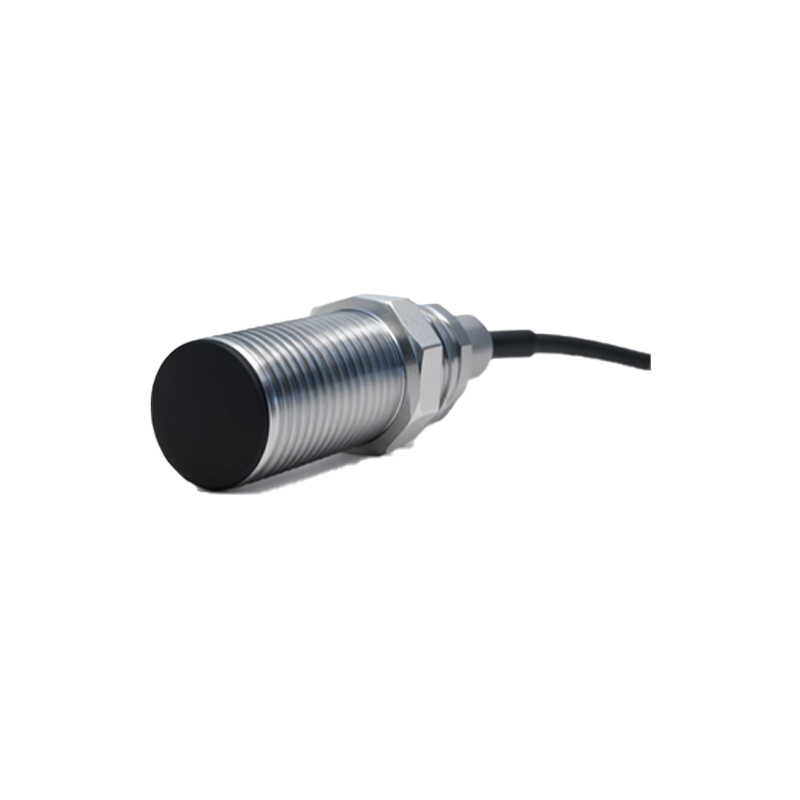
Selecting the right beam sensor requires careful consideration of several factors. Operating range is primary; sensors are available for detecting objects from a few millimeters to several meters away. The sensing beam's characteristics matter—a focused laser beam is ideal for detecting small objects or precise edges, while a diffuse, wider beam might be better for general presence detection. Environmental conditions pose another critical challenge. Dust, steam, ambient light, and vibration can interfere with optical sensors. Modern beam proximity sensors combat these issues with advanced features like modulated light signals, which ignore constant ambient light, and robust housings with high Ingress Protection (IP) ratings for dusty or wet environments. Additionally, models with built-in diagnostics can alert operators to lens contamination or misalignment before a failure occurs.
The evolution of beam sensor technology continues to push boundaries. The integration of IO-Link, a point-to-point serial communication protocol, is a game-changer. IO-Link enabled sensors do more than just provide a simple on/off signal; they transmit rich parametric data—such as signal strength, operating temperature, and device health—directly to the controller. This facilitates predictive maintenance, remote configuration, and faster troubleshooting, reducing downtime significantly. Furthermore, the miniaturization of components has led to incredibly compact sensors that can be installed in space-constrained locations without sacrificing performance.
Ultimately, the true value of a beam proximity sensor lies in its contribution to system integrity and efficiency. By providing a reliable, non-contact method of detection, these devices enable higher machine speeds, improve product quality through precise positioning, and create safer work environments. Their role is foundational; they are the silent sentinels that provide the essential data points upon which complex automated decisions are made. From ensuring a bottle is capped correctly to preventing a robotic arm from colliding with an obstacle, beam proximity sensors are the invisible force that keeps the wheels of industry turning smoothly, reliably, and intelligently. Their continued advancement will undoubtedly remain closely tied to the progress of automation itself, enabling smarter, more responsive, and more connected industrial ecosystems.