Introduction to Retro-Reflective Sensing
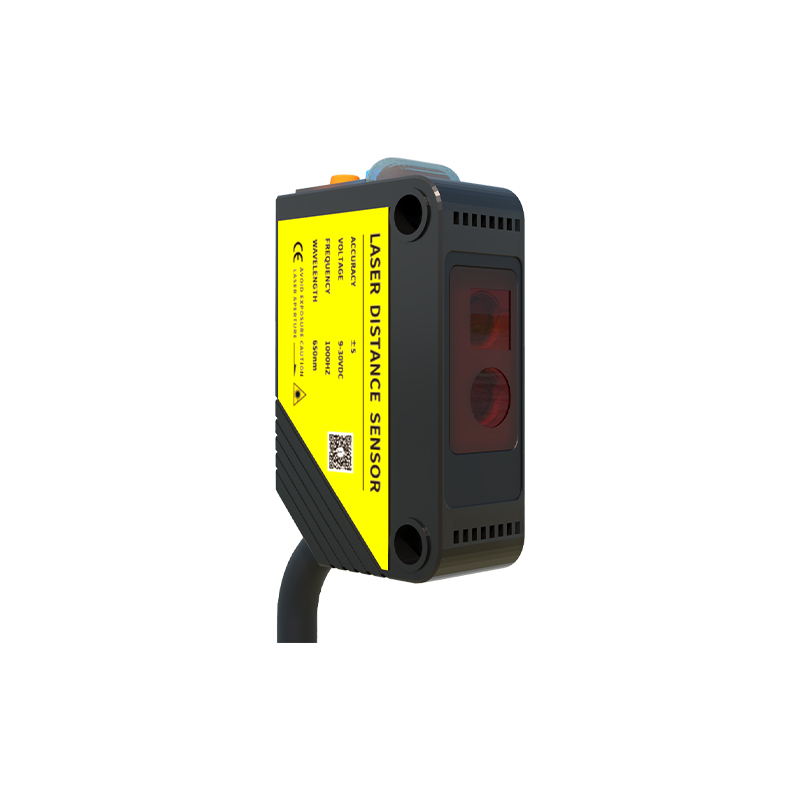
Retro-reflective photoelectric sensors are a cornerstone of modern industrial automation, offering a robust and reliable solution for object detection. Unlike through-beam sensors that require separate emitter and receiver units, retro-reflective models house both components within a single housing. They operate by emitting a light beam towards a specialized reflector, which returns the beam directly to the receiver. When an object interrupts this beam, the sensor triggers a detection signal. This design strikes an optimal balance between the long-range capability of through-beam sensors and the compact, single-sided installation convenience of diffuse sensors, making them exceptionally versatile for a wide array of applications.
Superior Sensing Range and Reliability
One of the most significant features of retro-reflective sensors is their extended sensing range compared to diffuse sensors. They can reliably detect objects at distances of several meters, depending on the model and light source (e.g., red light, laser, infrared). This is made possible by the high-efficiency retro-reflector, which ensures a strong, consistent return signal. Furthermore, advanced models incorporate polarized light filters. This technology allows the sensor to ignore light reflected from shiny, mirror-like objects that could otherwise cause false triggers, ensuring detection reliability even in challenging environments with reflective surfaces.
Simplified Installation and Alignment
Installation efficiency is a critical advantage. Since only one device needs to be mounted and wired on the machine, and only a passive reflector needs to be positioned opposite, installation time and cost are significantly reduced. Alignment, while requiring more care than with a diffuse sensor, is far simpler than aligning two separate units in a through-beam setup. Many sensors feature visible red light beams or alignment indicators (like LED bar graphs) to facilitate quick and precise setup, minimizing machine downtime during installation or maintenance.
Robust Performance in Harsh Environments
Industrial environments are often filled with dust, moisture, vibration, and temperature fluctuations. High-quality retro-reflective sensors are built to withstand these conditions. They typically feature rugged housings with high Ingress Protection (IP) ratings (e.g., IP67, IP69K), making them resistant to water and dust ingress. The optical components are designed to resist lens contamination, and some models include automatic gain control or contamination indicators to warn operators when lens cleaning is required, preventing unexpected production stops.
Advanced Functionality and Versatility
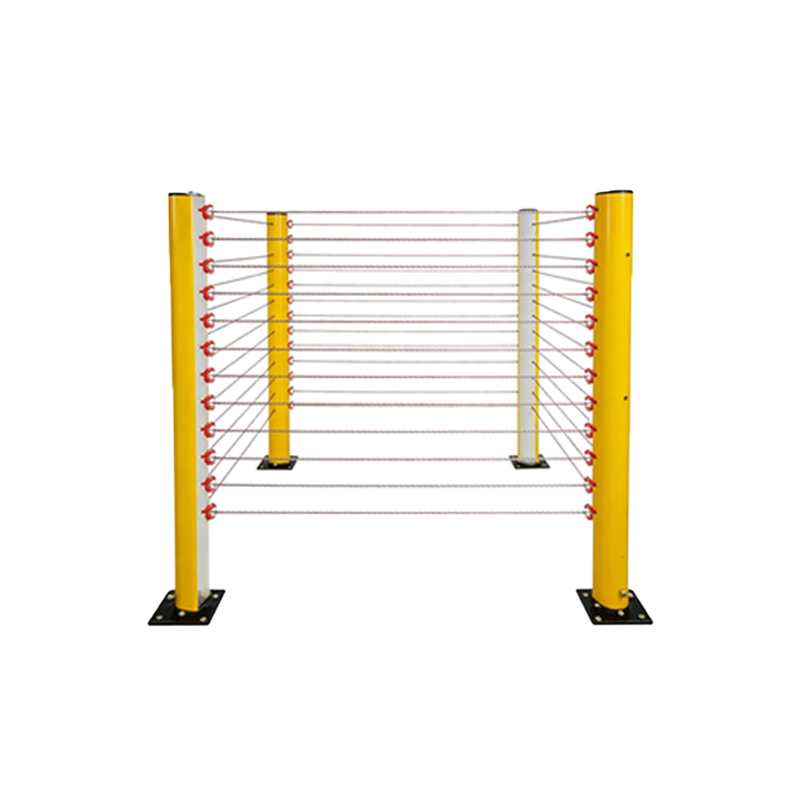
Modern retro-reflective sensors offer functionalities that extend beyond simple presence detection. Features like background suppression (for precise detection at a set distance), teach-in programming for flexible range setting, and adjustable response times are common. They are available with various output types (PNP/NPN, analog, IO-Link) and light sources tailored for specific needs, such as infrared for non-visible operation or laser for precise detection of small objects. This versatility allows them to be deployed in packaging, material handling, assembly line automation, and safety curtain applications.
Considerations for Optimal Application
To maximize performance, certain application factors must be considered. The sensor and reflector must be kept clean, as heavy contamination can attenuate the light beam. The detection object must be sufficiently opaque to interrupt the beam. For detecting transparent objects like glass or plastic films, specialized sensors with high-intensity beams are required. Additionally, the operating environment's ambient light conditions should be evaluated, as extremely bright light sources could interfere with some sensor models, though many now feature robust background light immunity.