Introduction to P8 Proximity Sensors
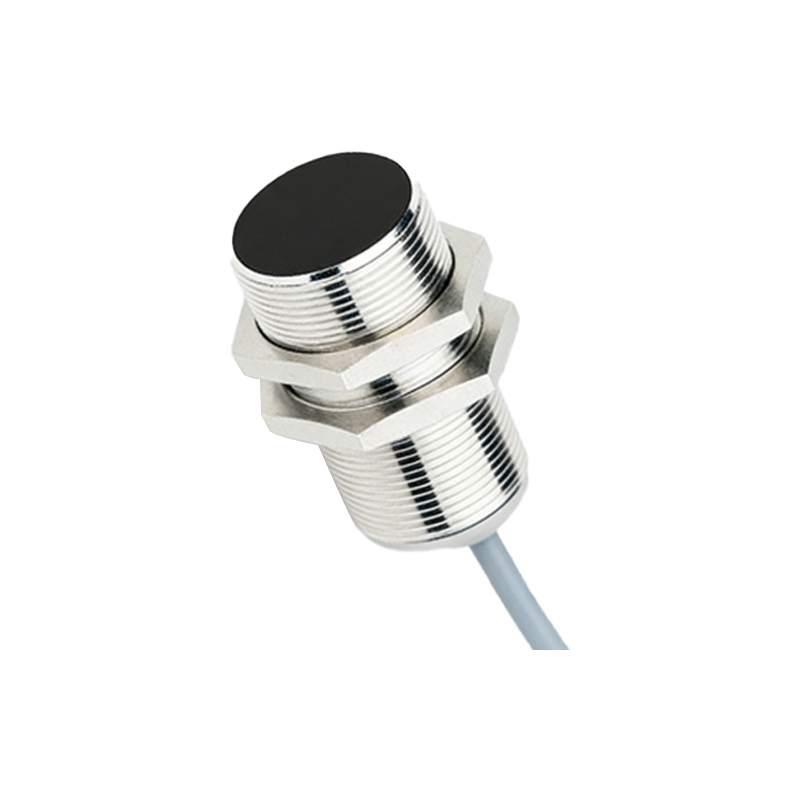
In the realm of industrial automation and control, proximity sensors stand as critical components for non-contact object detection. Among the diverse range of sensor families, the P8 series has established itself as a reliable and versatile solution. A P8 proximity sensor is a type of inductive sensor designed to detect the presence or absence of metallic objects without any physical contact. Its operation is based on the principle of electromagnetic induction, where an oscillator generates a high-frequency electromagnetic field from the sensor's active face. When a metallic target enters this field, eddy currents are induced on the target's surface, causing a change in the oscillation amplitude. This change is detected by the sensor's circuitry, which subsequently triggers a switching signal. The "P8" designation typically refers to a specific form factor, often an 8mm diameter cylindrical housing, which has become an industry standard for compact, high-performance sensing in tight spaces.
Key Technical Specifications and Features
The performance of a P8 proximity sensor is defined by several key parameters. The sensing distance, or nominal range, is a primary specification. For a standard P8 inductive sensor, this typically ranges from 1.5mm to 2mm for mild steel targets, though factors like target material, size, and shape can influence the effective range. These sensors are predominantly available in two output configurations: NPN (sinking) and PNP (sourcing), with both normally-open (NO) and normally-closed (NC) logic options to interface seamlessly with Programmable Logic Controllers (PLCs) and other control systems. A crucial feature is their embedded protection against common electrical hazards. Most P8 sensors boast short-circuit protection, reverse polarity protection, and overload protection, ensuring longevity in harsh industrial environments. Furthermore, many models offer an LED status indicator for visual confirmation of operation and target detection, which is invaluable for troubleshooting and setup.
Advantages in Industrial Automation
The widespread adoption of P8 proximity sensors is driven by their distinct advantages. Their non-contact nature eliminates mechanical wear and tear, leading to exceptional reliability and a virtually infinite operational life compared to mechanical limit switches. This translates to reduced maintenance costs and increased system uptime. The high switching frequency, often exceeding 1 kHz, allows for the detection of very fast-moving objects on production lines, such as in packaging or assembly machinery. Their robust construction, frequently featuring nickel-plated brass or stainless-steel housings with IP67 or IP68 ingress protection ratings, makes them resistant to dust, oils, coolants, and temporary immersion. This durability ensures consistent performance in demanding settings like machine tools, material handling systems, and automotive manufacturing plants.

Typical Application Scenarios
P8 proximity sensors find utility in a vast array of industrial applications. A common use is position verification, where they confirm the presence of a metal part at a specific stage in an assembly process or within a robotic gripper. They are extensively used for end-of-travel detection on linear actuators and cylinders, providing precise feedback for control sequences. In conveyor systems, they count metallic objects, detect jams, or monitor the position of chains and flights. Rotary applications include speed monitoring of gears or shafts by detecting passing teeth or keyways. Their compact size is particularly advantageous in multi-axis CNC machines and automated guided vehicles (AGVs) for precise positioning and collision avoidance. Essentially, anywhere a reliable, solid-state detection of metal is required within a short range, the P8 sensor is a prime candidate.
Installation and Wiring Considerations
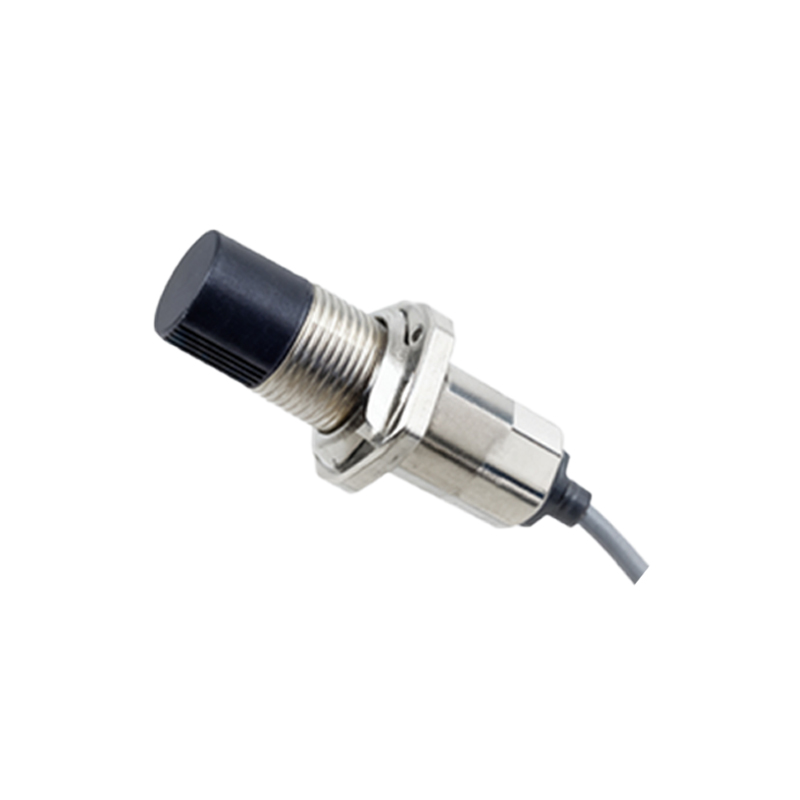
Proper installation is paramount for optimal sensor performance. A fundamental rule is to maintain the specified mounting distance between sensors to prevent mutual interference, which can cause erratic switching. For flush-mountable models, they can be installed level with a metal mounting surface, while non-flush types require a surrounding non-metallic zone to achieve their rated sensing distance. Wiring must adhere strictly to the manufacturer's datasheet. For a 3-wire DC sensor, the standard connections are brown wire to DC positive (+V), blue wire to DC negative (0V), and the black (or white) wire as the switched output load. It is critical to ensure the load (e.g., a PLC input, relay coil) does not exceed the sensor's maximum current rating. Always verify the electrical characteristics (NPN/PNP, NO/NC) match the requirements of the control circuit to avoid malfunctions.
Troubleshooting Common Issues
Even robust components can encounter issues. A frequent problem is failure to detect a target. This can stem from an incorrect sensing distance, using a non-metallic or unsuitable metal target, or a target size smaller than the sensor's active face. Verifying the target