Defining High Precision in Proximity Sensing
High precision in proximity sensors refers to the sensor's ability to consistently and accurately detect the presence, absence, or position of a target object with minimal deviation or error. It is a composite metric encompassing several key performance parameters. Unlike simple on/off detection, high-precision sensing involves fine resolution, exceptional repeatability, and low hysteresis. This means the sensor can reliably distinguish between minute positional changes, deliver the same output under identical conditions, and exhibit minimal shift between approach and retreat detection points. In industrial automation, robotics, and precision assembly, this level of accuracy is non-negotiable for ensuring quality, safety, and process efficiency. The pursuit of high precision drives innovation in sensor technology, pushing the boundaries of what can be measured and controlled without physical contact.
Key Parameters Defining Precision
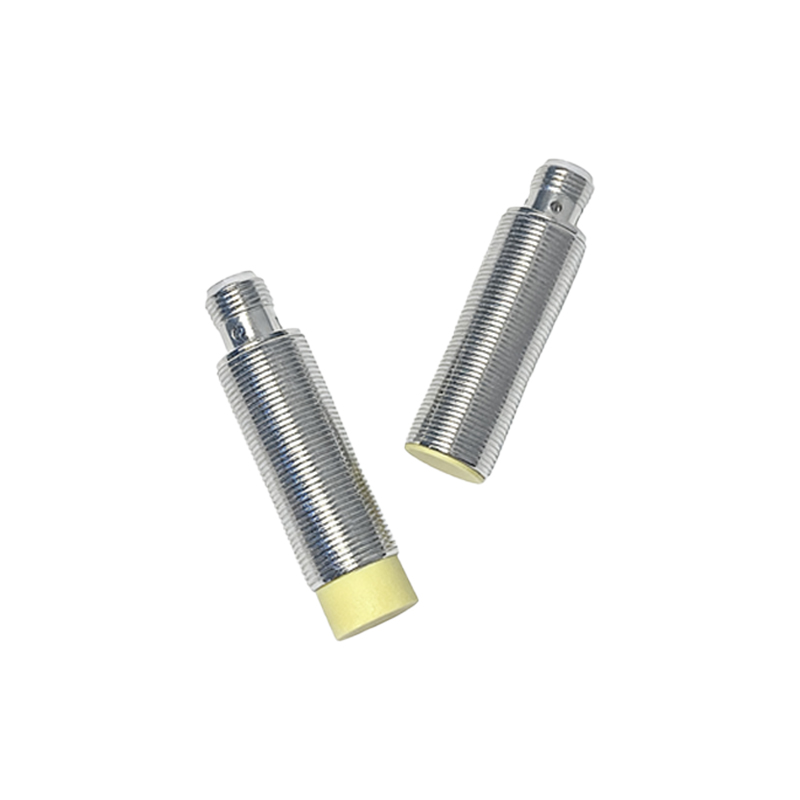
Several technical specifications collectively define the precision of a proximity sensor. First is repeatability, often expressed as a percentage of the sensing distance or in absolute units like micrometers. It indicates the sensor's ability to produce the same output when a target is repeatedly presented at the same position. Hysteresis is the difference between the operating point (when the target approaches) and the release point (when the target moves away). A high-precision sensor minimizes this gap to ensure consistent switching regardless of direction. Resolution is the smallest change in target position the sensor can detect, critical for applications like edge guiding or thickness measurement. Finally, temperature stability and long-term drift are vital; a truly precise sensor maintains its performance characteristics across a wide temperature range and over its operational lifespan, resisting environmental influences.
Technologies Enabling High Precision
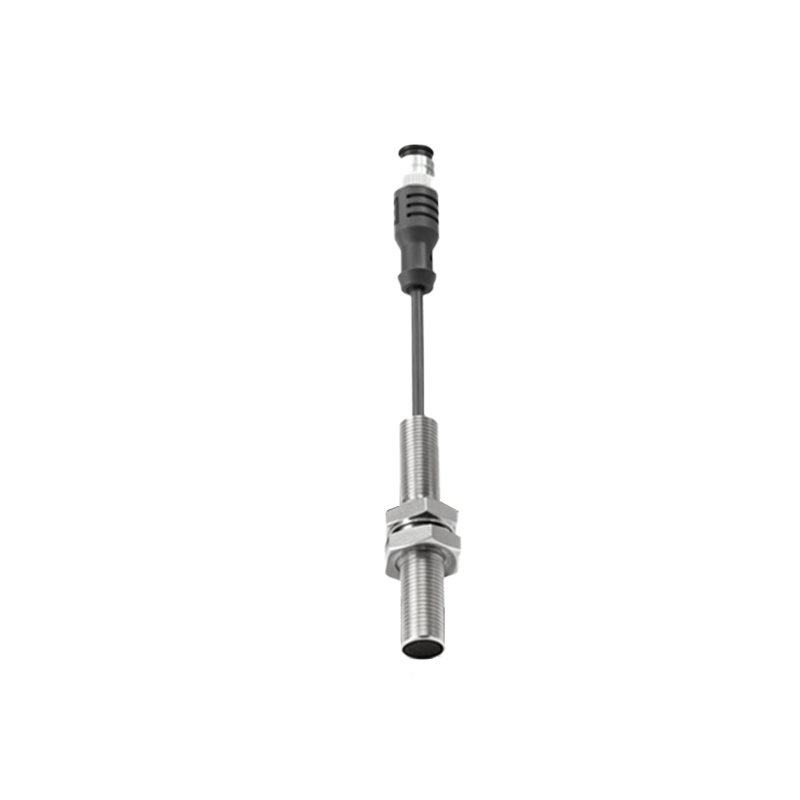
Different sensing technologies offer varying paths to high precision. Inductive sensors, ideal for metal targets, achieve precision through advanced coil design, high-frequency oscillation circuits, and specialized ASICs (Application-Specific Integrated Circuits) that provide stable, noise-immune signals. Capacitive sensors can detect non-metallic materials and achieve precision via sophisticated field-shaping techniques and shielding to eliminate the influence of unwanted environmental factors. Laser triangulation sensors and confocal chromatic sensors represent the pinnacle for displacement and position measurement, offering sub-micrometer resolution by precisely analyzing reflected light. MEMS (Micro-Electro-Mechanical Systems) technology is also enabling a new generation of miniaturized, highly precise sensors by integrating microscopic mechanical elements and electronics on a single chip.
The Role of Electronics and Signal Processing
The sensing element is only one part of the equation. The embedded electronics and signal processing algorithms are equally crucial for achieving high precision. Advanced analog front-end circuits condition the raw signal from the sensing element, amplifying it while filtering out electrical noise from motors, drives, and other equipment. Digital signal processors (DSPs) then take over, employing algorithms for linearization (correcting non-linear sensor responses), temperature compensation, and adaptive threshold setting. Features like teach-in (programming the switch point by presenting the target) and IO-Link digital communication allow for easy configuration and the transmission of not just a switch signal, but also detailed process data like signal strength, which aids in predictive maintenance and finer process control.
Application-Specific Challenges and Solutions
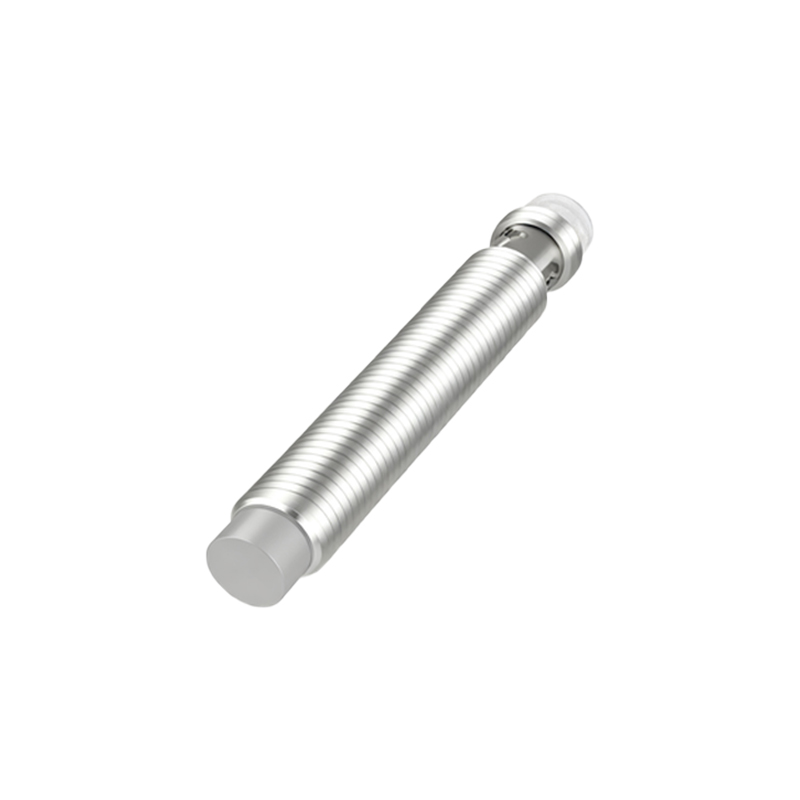
Achieving high precision in real-world applications presents unique challenges. In precision machining, factors like coolant, metal shavings, and oil mist can affect sensor performance. Sealed housings (IP67/IP69K) and specialized coatings are used to protect the sensor face. For small part assembly, the sensor's physical size and its blind zone (the area in front of the sensor where detection is not possible) become critical. Miniaturized sensors with reduced blind zones are essential. In fast-moving robotic pick-and-place applications, the sensor's response time must be extremely fast (often in microseconds) to keep up with the cycle time without sacrificing accuracy. Selecting a sensor with the right technology, housing, and output characteristics for the specific target material, required resolution, and environmental conditions is paramount.
Calibration and Long-Term Stability
Even the most advanced sensor may drift over time due to component aging or extreme operating conditions. Therefore, the concept of precision extends to long-term stability. High-precision sensors are designed with high-quality, stable components and undergo rigorous factory calibration. For the most critical applications, sensors with digital output and continuous process value monitoring (via IO-Link or analog outputs) allow for in-system verification and software-based compensation for minor drifts. Regular maintenance checks against a known reference standard are recommended to ensure the sensor continues to perform within its specified precision envelope throughout