Understanding Proximity Sensor Fundamentals
Proximity sensors are non-contact electronic devices designed to detect the presence or absence of an object within a defined sensing range without physical contact. They operate by emitting an electromagnetic field, beam, or radiation and then monitoring for changes in the return signal or field. The primary types include inductive sensors for detecting metallic objects, capacitive sensors for both metallic and non-metallic materials, ultrasonic sensors using sound waves, and photoelectric sensors utilizing light beams. Their core advantage lies in their reliability, long operational life due to lack of mechanical wear, and ability to function in harsh environments where dirt, oil, or moisture would compromise mechanical switches. Understanding these fundamentals is crucial for selecting the right sensor for a specific application, as each type has distinct sensing characteristics, range limitations, and environmental tolerances.
Key Applications in Manufacturing and Assembly Lines
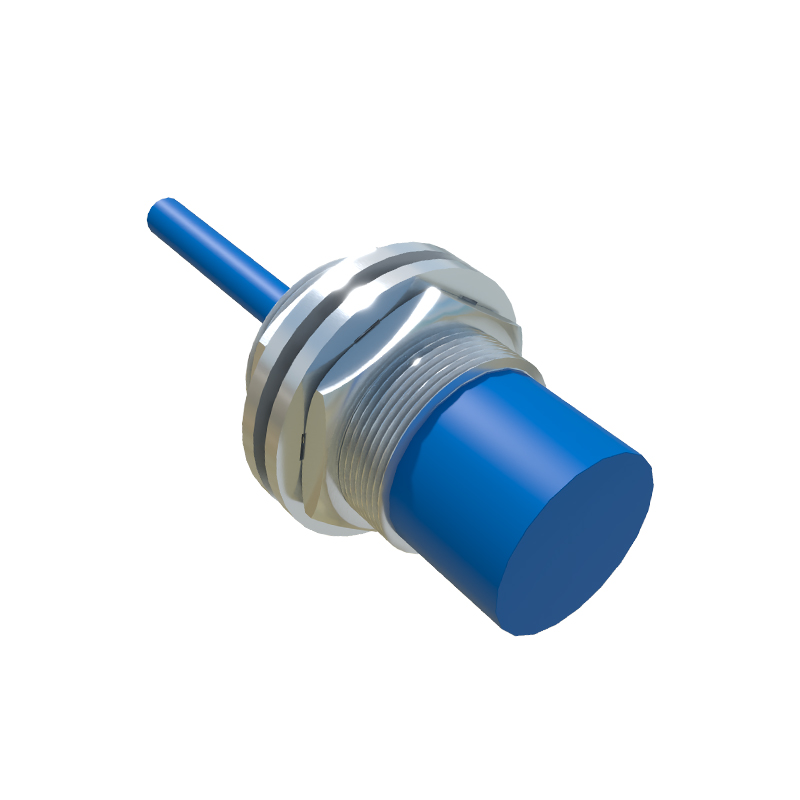
The manufacturing sector is the primary domain for proximity sensors, where they are indispensable for automation, precision, and safety. On high-speed assembly lines, inductive proximity sensors are extensively used for precise position detection of metal components—confirming the presence of a piston in an engine block, verifying a gear is seated correctly, or counting metallic parts on a conveyor. Capacitive sensors handle tasks like detecting filled levels of liquid or granular materials in non-metallic containers, such as plastic bottles or cardboard boxes. Photoelectric sensors are often deployed for object counting, small part detection, and ensuring correct packaging alignment. These applications enhance production speed, minimize errors, reduce waste, and enable seamless integration with Programmable Logic Controllers (PLCs) for complex automated control sequences.
Critical Roles in Material Handling and Logistics
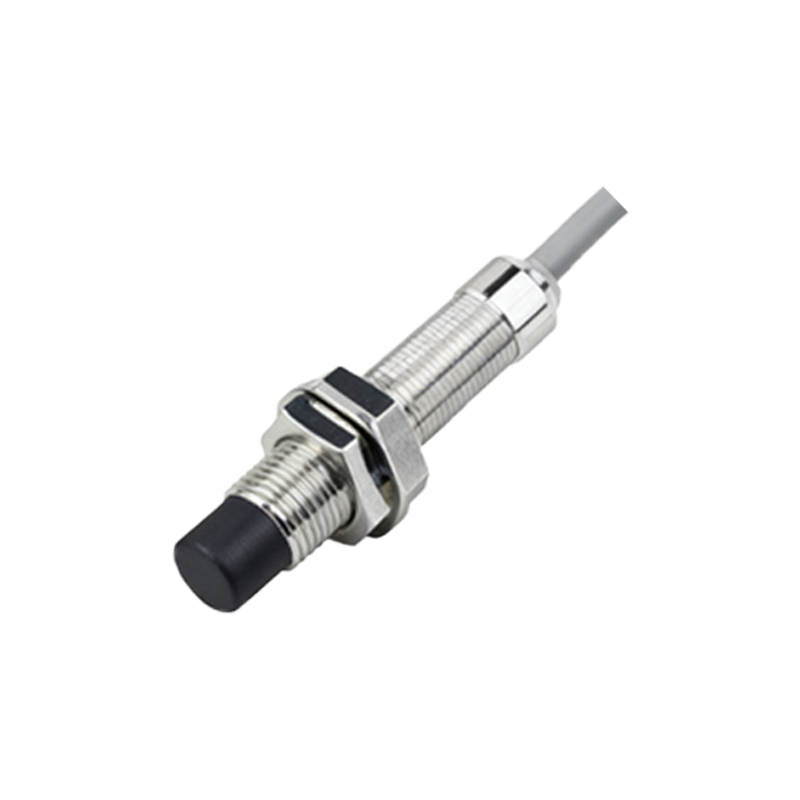
Automated material handling systems heavily rely on proximity sensors for efficient and safe operation. In automated storage and retrieval systems (AS/RS) and conveyor networks, sensors provide vital feedback for controlling the movement of goods. Ultrasonic sensors are commonly used for pallet detection, fork positioning in automated guided vehicles (AGVs), and measuring stack height in warehouses. Inductive sensors detect the position of metal rollers, chains, or lift platforms. On sorting lines, a combination of photoelectric and inductive sensors identifies, tracks, and diverts packages based on size, material, or destination. This precise detection prevents jams, optimizes routing, and ensures accurate inventory management, forming the sensory backbone of modern logistics infrastructure.
Ensuring Safety in Machinery and Hazardous Areas
Proximity sensors are critical components in machine safety systems. They are integrated into safety interlocks on machine guards, doors, and access panels; if a guard is opened while machinery is operational, an inductive or magnetic sensor immediately sends a signal to cut power, preventing potential injury. In hazardous areas with explosive atmospheres, intrinsically safe or explosion-proof certified proximity sensors are mandatory. These specially designed sensors limit electrical and thermal energy to levels incapable of igniting specific gases or dust. Furthermore, sensors are used for over-travel limit detection on cranes and elevators, and as part of light curtains and area scanners to create invisible safety perimeters around dangerous equipment, ensuring compliance with stringent international safety standards like ISO 13849.
Utilization in the Automotive Industry
The automotive industry, a pioneer in automation, utilizes proximity sensors at virtually every stage of production. In robotic welding cells, inductive sensors precisely locate sheet metal panels for consistent, high-quality welds. Capacitive sensors detect the presence of glass windshields or plastic interior components. On paint lines, sensors ensure proper spacing and orientation of car bodies. Within the vehicle itself, proximity sensors have become standard features: ultrasonic sensors in parking assist systems measure distances to obstacles, while inductive sensors in anti-lock braking systems (ABS) monitor wheel speed. This extensive use underscores their role in achieving the high levels of quality, efficiency, and advanced functionality demanded by modern automotive manufacturing and design.
Specialized Applications in Food, Beverage, and Pharmaceutical Sectors
Hygienic and washdown environments in food, beverage, and pharmaceutical processing present unique challenges. Here, sensors must withstand frequent cleaning with high-pressure, high-temperature water and corrosive chemicals. Stainless steel (often 316L grade) housed inductive and capacitive proximity sensors with high Ingress Protection (IP69K) ratings are standard. They are used to detect fill levels in stainless steel vats, confirm cap placement on bottles, monitor packaging film breaks, and verify the position of valves and actuators. Their sealed construction prevents bacterial growth and contamination. Furthermore, in pharmaceutical packaging, sensors ensure precise count verification of pills in blister packs and vials on filling lines, where accuracy is paramount for patient safety and regulatory compliance.