Introduction to RICOH 2014 Photoelectric Sensor
The RICOH 2014 photoelectric sensor represents a significant advancement in industrial sensing technology, designed to meet the rigorous demands of modern automation systems. As a compact and highly reliable device, it excels in detecting objects, measuring distances, and ensuring precise control in various manufacturing and logistics applications. Its development stems from RICOH's longstanding expertise in optical and electronic engineering, integrating innovative components to deliver consistent performance even in challenging environments. This sensor is particularly noted for its robust construction, which allows it to operate effectively under conditions involving dust, vibration, or fluctuating temperatures, making it a preferred choice for industries seeking durability and accuracy.
Key Technical Specifications and Features
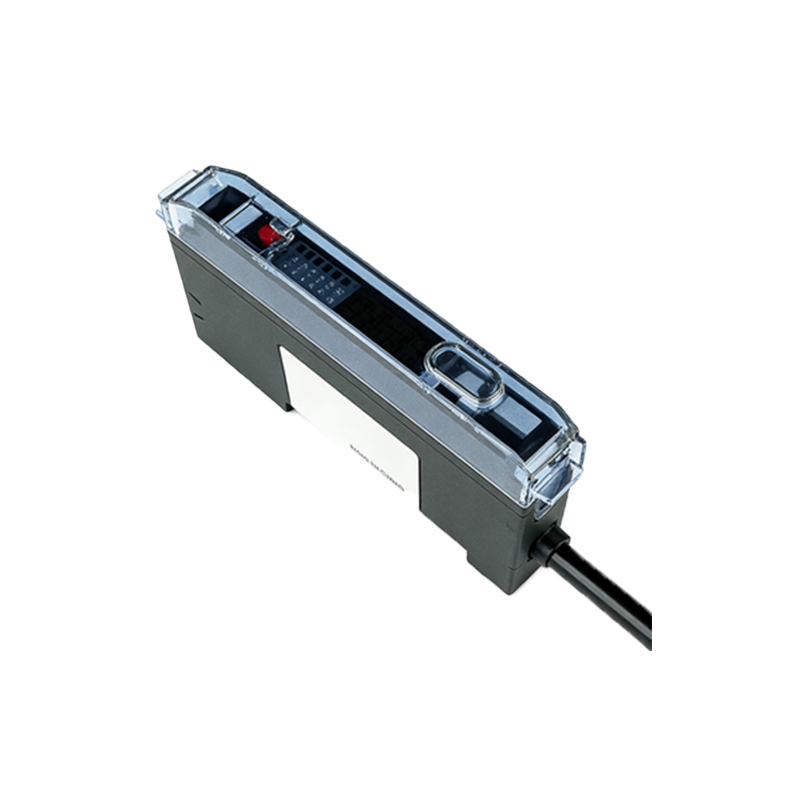
The RICOH 2014 sensor boasts a range of technical specifications that set it apart from conventional models. It typically operates on a low voltage DC supply, ensuring energy efficiency and compatibility with standard industrial power systems. The sensing range varies depending on the model, with some versions capable of detecting objects from a few millimeters up to several meters away. Key features include a high-speed response time, often in the microsecond range, which is crucial for real-time applications in fast-paced production lines. Additionally, it incorporates advanced optics with a focused beam to minimize false triggers, along with adjustable sensitivity settings that allow users to fine-tune detection based on specific material properties or environmental factors. The housing is usually IP67 rated, providing protection against water and dust ingress, thereby extending its operational lifespan.
Applications in Industrial Automation
In industrial settings, the RICOH 2014 photoelectric sensor finds widespread use across multiple sectors. It is commonly employed in assembly lines for part presence verification, ensuring that components are correctly positioned before subsequent processing steps. In packaging machinery, it facilitates accurate counting and sorting of items, enhancing throughput and reducing waste. The sensor also plays a vital role in material handling systems, such as conveyor belts, where it monitors object movement and prevents jams or misalignments. Furthermore, its precision makes it suitable for quality control inspections, detecting minute defects or variations in products. Industries like automotive, electronics, and pharmaceuticals rely on this sensor to maintain high standards of efficiency and safety, leveraging its ability to perform reliably in both indoor and outdoor installations.
Installation and Calibration Best Practices
Proper installation and calibration are essential to maximize the performance of the RICOH 2014 sensor. During setup, it is important to mount the device securely, aligning the emitter and receiver components to avoid obstructions that could interfere with the light beam. Environmental factors, such as ambient light or reflective surfaces, should be assessed to prevent signal interference; using polarized filters or shields may be necessary in some cases. Calibration involves adjusting the sensitivity threshold to match the target object's characteristics, such as size, color, or transparency. Regular maintenance, including lens cleaning and connection checks, helps sustain optimal functionality. Many models feature LED indicators for easy diagnostics, allowing operators to quickly identify issues like misalignment or power faults, thereby minimizing downtime.
Advantages Over Competing Sensor Technologies
Compared to other sensing technologies like inductive or capacitive sensors, the RICOH 2014 photoelectric sensor offers distinct advantages. Its non-contact detection method eliminates wear and tear, ensuring longevity and reducing maintenance costs. The ability to sense a wide variety of materials—including plastic, glass, and metal—makes it more versatile than alternatives that are limited to conductive objects. Moreover, its fast response time and high accuracy provide superior performance in dynamic applications where speed is critical. While ultrasonic sensors might be used in similar scenarios, photoelectric sensors like the RICOH 2014 generally offer better resolution and are less affected by temperature or humidity changes. These benefits contribute to its popularity in industries prioritizing precision and adaptability.
Future Trends and Innovations
Looking ahead, the evolution of photoelectric sensors, including the RICOH 2014 series, is likely to be influenced by trends such as Industry 4.0 and the Internet of Things (IoT). Future iterations may incorporate smart features like wireless connectivity, enabling remote monitoring and data analytics for predictive maintenance. Enhanced integration with machine learning algorithms could allow for adaptive sensing, where the sensor automatically adjusts parameters based on real-time environmental feedback. Additionally, advancements in miniaturization and power efficiency will drive the development of even smaller, more energy-conscious models suitable for portable or battery-operated devices. As industries continue to automate and digitize, sensors like the RICOH 2014 will remain integral, evolving to meet emerging challenges in robotics, smart manufacturing, and sustainable operations.