Introduction to Dust Protection in Photoelectric Sensors
Dust and particulate contamination pose significant challenges to the reliable operation of photoelectric sensors in industrial environments. These sensors, which rely on light beams to detect objects, can experience signal attenuation, false triggering, or complete failure when optical components become obscured. To ensure consistent performance and longevity, manufacturers have developed various specialized dust protection structures. These designs are integral to maintaining optical clarity and sensor integrity in applications ranging from packaging and material handling to automotive assembly and food processing. The effectiveness of these structures directly impacts maintenance intervals and overall system uptime.
Sealed Enclosures and IP Ratings
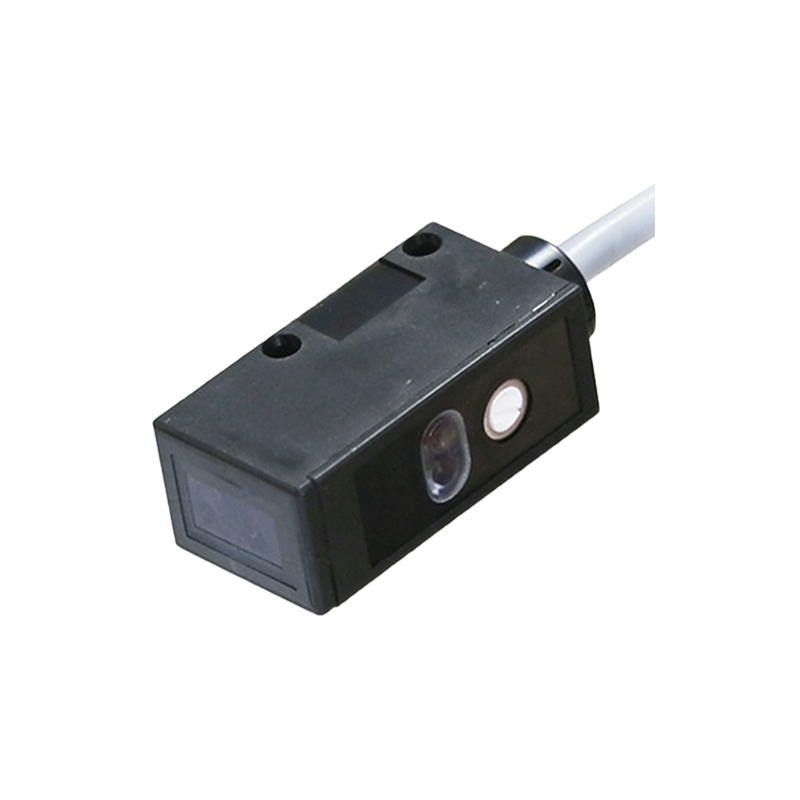
A fundamental approach to dust protection involves housing the sensor electronics and optical components within a sealed enclosure. These enclosures are designed to meet specific Ingress Protection (IP) ratings, such as IP67 or IP69K, which certify resistance to dust ingress and high-pressure water jets. The housing is typically constructed from robust materials like stainless steel or engineering plastics, with tightly sealed joints and cable glands. The lens window is a critical point, often made from scratch-resistant glass or polycarbonate and bonded to the housing with specialized seals to prevent any gap where dust could accumulate. This method provides a first line of defense, creating a physical barrier that isolates the sensitive internal components from the external environment.
Air Purge and Positive Pressure Systems
For extremely dusty or hazardous environments, a dynamic protection method known as air purging or positive pressure is employed. This structure involves creating a slight positive air pressure inside the sensor's optical chamber relative to the outside atmosphere. Clean, dry air (or an inert gas like nitrogen) is continuously or intermittently supplied through a small port. The outward flow of this air prevents dust particles from entering through any microscopic openings or the lens area. Systems often include a filter to ensure the supplied air is clean and a regulator to maintain the correct pressure. This active system is highly effective in applications like cement production, mining, or woodworking, where airborne particulates are pervasive.
Lens Designs with Anti-Static Coatings
The sensor lens itself can be engineered to resist dust adhesion. A primary technique is the application of specialized anti-static or hydrophobic coatings. These thin-film coatings reduce the static charge on the lens surface, minimizing the attraction of dust particles, which are often charged. Furthermore, hydrophobic coatings cause moisture to bead up and roll off, preventing the formation of a sticky film that can trap dust. The lens shape is also a factor; smooth, curved surfaces are preferable as they allow dust to slide off more easily than flat surfaces. Some advanced designs incorporate a lens that is slightly recessed, creating a physical buffer zone that reduces direct exposure to airflow carrying dust.
Mechanical Wipers and Automated Cleaning
In applications where dust accumulation is inevitable, integrated mechanical cleaning mechanisms provide a practical solution. Some sensor models feature a built-in, motorized wiper blade that periodically sweeps across the lens surface. This action physically removes any settled dust or light debris. The wiper material is carefully selected to be effective yet non-abrasive to avoid scratching the lens. Alternatively, some systems use a pneumatic blast of air directed across the lens at set intervals. These automated cleaning structures are often combined with a sealed enclosure, ensuring the cleaning mechanism itself does not compromise the sensor's overall ingress protection. They are ideal for environments with heavy, oily, or sticky dust.
Redundant Optical Paths and Signal Processing
Beyond physical barriers, sensor design can incorporate optical and electronic redundancy to mitigate the effects of dust. One structure uses multiple light-emitting elements (LEDs) and receiving elements arranged at different angles. If dust partially blocks one optical path, the system can switch to or compare signals from another path. Advanced digital sensors employ sophisticated signal processing algorithms. They can distinguish between a gradual decrease in received light intensity (indicative of lens fouling) and the sharp signal change caused by a target object. Some models can even output a warning signal when lens contamination reaches a level that may soon affect performance, enabling predictive maintenance.
Selection Criteria for Dust Protection
Choosing the appropriate dust protection structure depends on a thorough analysis of the application. Key factors include the concentration, type (dry, oily, fibrous), and abrasiveness of the dust; the presence of moisture or chemicals; ambient temperature cycles; and required maintenance access. A cost-benefit analysis is also crucial. While a simple IP67 enclosure may suffice for moderate conditions, a positive pressure system with an anti-static coated lens represents a higher initial investment but can prevent costly production stoppages in critical processes. Consulting sensor datasheets for specific environmental ratings and, when possible, testing a unit in the actual operating environment is highly recommended for optimal selection.