Introduction to Proximity Sensing in Water Level Control
Proximity switches are fundamental components in modern appliance automation, providing non-contact detection crucial for reliability and longevity. Within Haier's extensive appliance lineup, particularly in washing machines and dishwashers, water level sensor proximity switches play a pivotal role. These sensors are engineered to detect the presence or absence of water at predetermined levels without any physical contact with the liquid. This non-invasive method is essential for preventing corrosion, reducing mechanical wear, and ensuring accurate level control across countless wash cycles. The principle typically involves inductive or capacitive sensing, where the proximity of the water (or a float mechanism) alters an electromagnetic field, triggering a switch signal to the main control board.
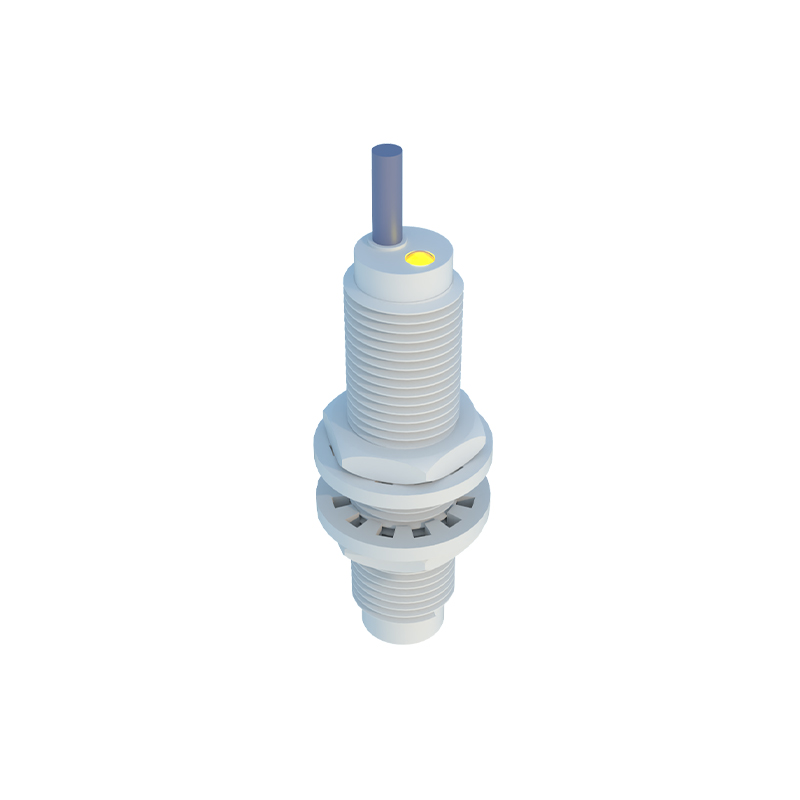
Core Technology and Operating Principles
Haier utilizes advanced proximity sensing technology tailored for the humid and dynamic environment of home appliances. A common design incorporates a reed switch and a magnet. The sensor is housed in a sealed unit, often within the washer's tub or a separate pressure chamber. As water fills the drum, air pressure increases in a tube connected to this chamber. This pressure displaces a diaphragm, which moves a magnet closer to the reed switch. When the magnet reaches a critical proximity, the reed switch closes, completing an electrical circuit and signaling the control unit that the desired water level has been achieved. This method translates water level into a magnetic proximity event, ensuring high precision and isolation from the water itself.
Key Design Features and Material Specifications
The durability of Haier's water level proximity sensors stems from meticulous design choices. The housing is constructed from high-grade, corrosion-resistant polymers capable of withstanding detergents, temperature fluctuations, and constant moisture. Internal components, including the reed switch and magnet, are selected for long-term stability and consistent magnetic properties. The diaphragm is typically made from a flexible, durable elastomer that maintains its elasticity over thousands of cycles. Electrical connections are designed for secure, vibration-resistant attachment to the appliance's wiring harness. These features collectively ensure the sensor operates reliably for the entire lifespan of the appliance, often exceeding a decade of regular use.
Integration with Appliance Control Systems
The proximity switch does not operate in isolation; it is a critical input node within Haier's sophisticated appliance control ecosystem. The signal from the switch is fed into the main microprocessor control unit (MCU). This MCU interprets the switch's state—open or closed—relative to the selected wash program. For instance, in a "Low Water" setting, the MCU will halt the water inlet valve as soon as the first proximity switch is triggered. More advanced models may use multiple sensors or a single sensor with several set points to allow for finer control over water levels for different load sizes and fabric types, contributing to both cleaning efficiency and water conservation.
Common Performance Indicators and Reliability Metrics
The performance of a water level proximity switch is measured by several key metrics. Activation accuracy is paramount; the switch must trigger at a highly repeatable water pressure/level every cycle. Response time is another critical factor, though typically fast enough not to be a bottleneck. The primary reliability metric is operational lifespan, often rated for hundreds of thousands of actuations. Haier engineers subject these components to rigorous testing, including accelerated life cycle tests, environmental stress screening (exposure to heat, cold, and humidity), and electrical endurance tests to validate performance under extreme conditions that mimic years of household use.
Troubleshooting and Diagnostic Approaches
While highly reliable, proximity switches can occasionally be a source of appliance malfunction. Common symptoms include the washer failing to fill, overfilling, or displaying error codes related to water level sensing. Diagnosis typically begins with electrical testing. A technician can use a multimeter to check for continuity change in the switch's terminals while applying simulated pressure (e.g., using a manual air bulb on the pressure tube). Resistance to change or a permanently open/closed state indicates a faulty sensor. Visual inspection of the air tube for kinks or leaks is also a standard procedure, as a compromised tube will not transmit pressure accurately to the sensor diaphragm.
Advancements and Future Trends in Sensor Technology
Haier continues to innovate in sensor technology. The trend is moving towards more integrated, solid-state solutions. Future iterations may employ micro-electromechanical systems (MEMS) pressure sensors that directly convert pressure into a digital signal, eliminating moving parts like diaphragms and reed switches for even greater reliability. Furthermore, integration with IoT platforms is becoming standard. Smart sensors can not only control water levels but also transmit diagnostic data to users and service centers, predicting maintenance needs or optimizing water usage based on load detection algorithms, paving the way for smarter, more efficient home appliances.
SEO关键词