Understanding Proximity Sensor Types and Applications
Proximity sensors are indispensable components in modern industrial automation, enabling non-contact detection of objects. Before embarking on a purchasing journey, it's crucial to understand the primary types: inductive sensors for detecting metallic objects, capacitive sensors for both metallic and non-metallic materials, ultrasonic sensors for distance measurement, and photoelectric sensors using light beams. Each type serves distinct applications, from machine tool positioning and conveyor belt monitoring to liquid level detection and robotic guidance. Selecting the correct sensor type is the foundational step, as it directly impacts system performance, reliability, and total cost of ownership. Industrial engineers must carefully evaluate the target material, required sensing range, environmental conditions (like temperature, humidity, and potential contaminants), and output signal requirements.
Authorized Distributors and Direct Manufacturer Sales
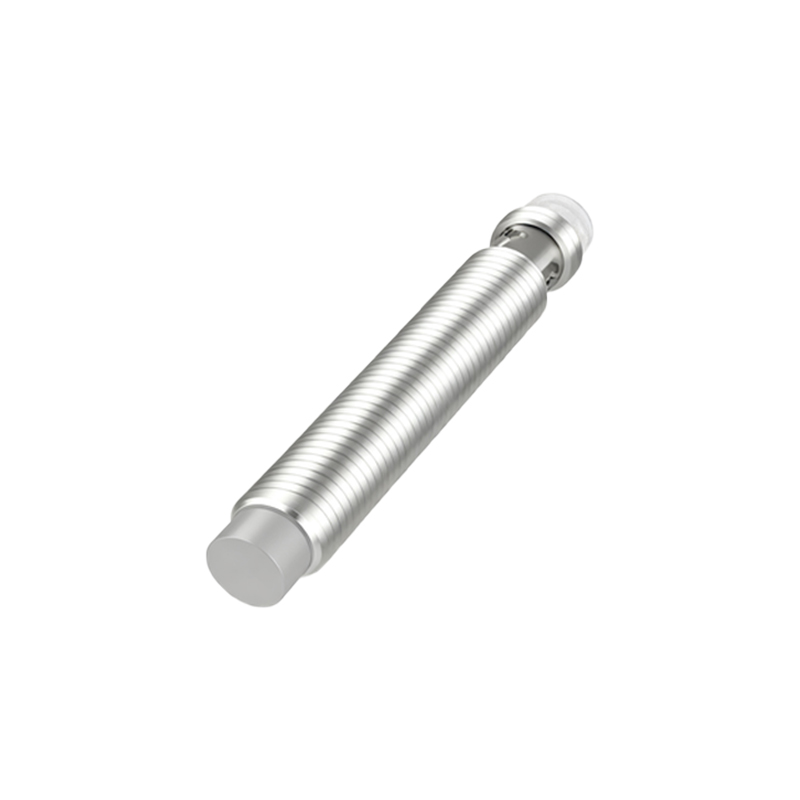
For reliable supply and guaranteed product authenticity, purchasing from authorized distributors or directly from manufacturers is the most recommended channel. Major global manufacturers like Siemens, Omron, Schneider Electric, Rockwell Automation (Allen-Bradley), and Pepperl+Fuchs maintain extensive networks of certified distributors. These partners offer several advantages: access to genuine products with full warranties, comprehensive technical support for integration and troubleshooting, and availability of detailed datasheets and certification documents. Purchasing directly from a manufacturer's sales division is often ideal for large-scale OEM projects or highly customized sensor solutions. This channel ensures direct engineering support and potentially more favorable volume pricing, though minimum order quantities may apply.
Specialized Industrial Automation Suppliers
Beyond broad-line distributors, specialized industrial automation suppliers are a prime resource. Companies such as Allied Electronics, AutomationDirect, and RS Components stock a vast array of proximity sensors from multiple brands. These suppliers excel in providing comparative product information, facilitating the selection process across different manufacturers. They typically offer robust e-commerce platforms with advanced filtering options based on sensing type, range, housing material, connection type, and electrical output. Their value lies in consolidating products from various vendors into a single, searchable inventory, often with real-time stock levels and multiple shipping options. This is particularly useful for maintenance, repair, and operations (MRO) purchases or for prototyping phases where quick delivery of standard models is essential.
Online Marketplaces and E-Commerce Platforms
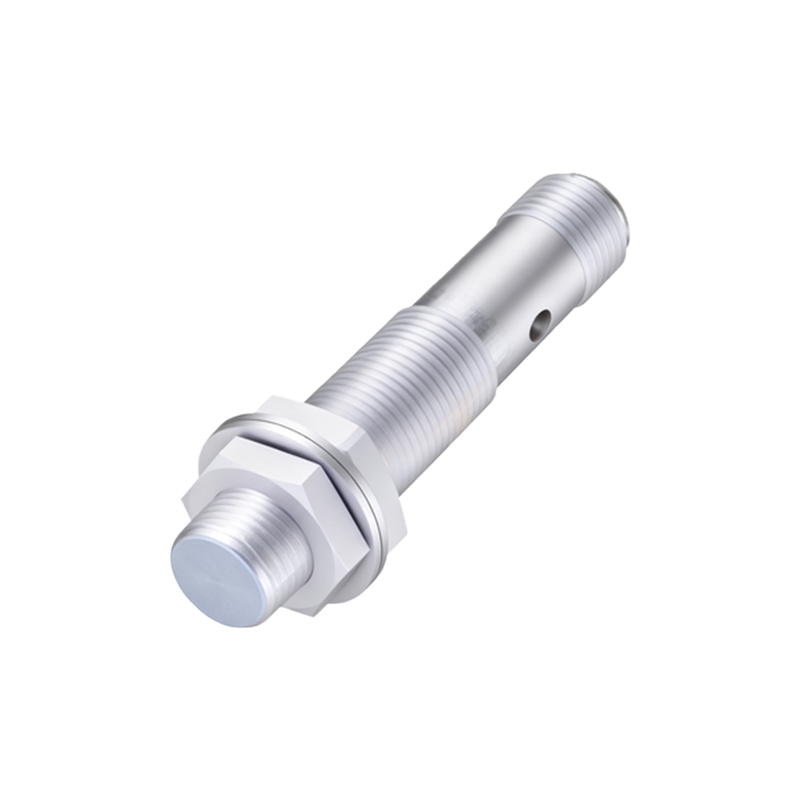
The rise of B2B and industrial-focused online marketplaces has transformed procurement. Platforms like Amazon Business, eBay Business & Industrial, and Thomasnet serve as viable avenues, especially for standard sensor models, replacement units, or for smaller businesses. Key benefits include competitive pricing, user reviews, and fast shipping. However, caution is paramount. Buyers must verify seller ratings, ensure the seller is an authorized reseller to avoid counterfeit products, and meticulously check product specifications and part numbers. While convenient for off-the-shelf items, these platforms may offer limited technical support compared to specialized distributors. They are best suited for purchases where the exact model number is known and the risk of receiving an incompatible or substandard product is low.
Evaluating Total Cost and Supplier Reliability
The decision on where to buy should not be based on unit price alone. A thorough total cost evaluation is critical. Consider factors like shipping costs, import duties for international orders, minimum order quantities, and payment terms. More importantly, assess the supplier's reliability: their lead time consistency, customer service responsiveness, and return/repair policies. A supplier with a slightly higher unit cost but guaranteed next-day delivery and expert technical support can prevent costly production downtime. Establishing a relationship with a reliable local distributor can provide immense long-term value through on-site support, inventory management programs (like vendor-managed inventory), and proactive notification of product lifecycle changes or discontinuations.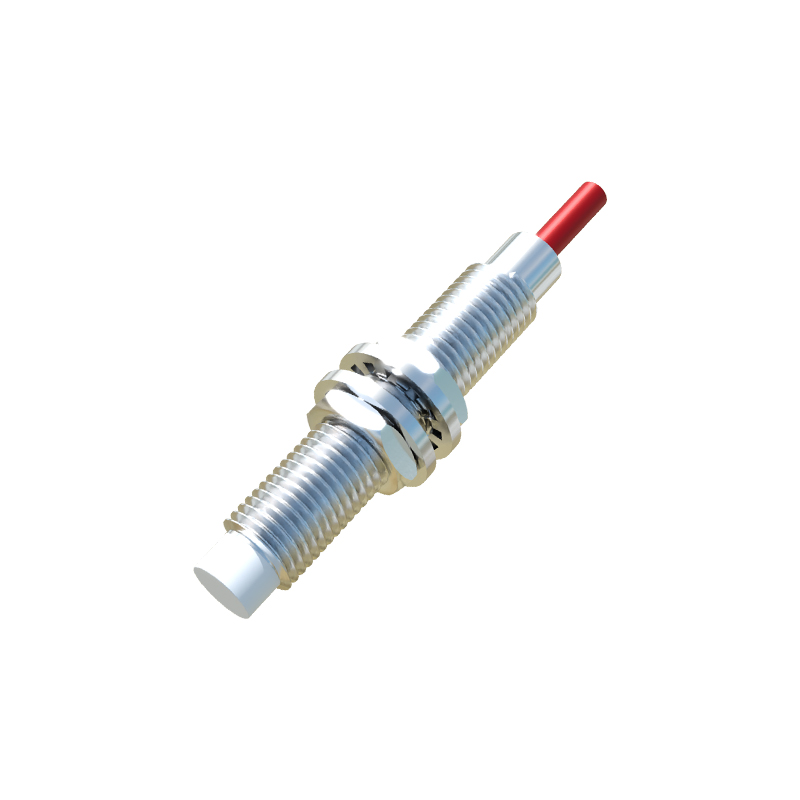
Key Considerations Before Finalizing Your Purchase
Prior to completing any transaction, conduct final due diligence. Confirm the sensor's environmental ratings (IP, NEMA) match your application's needs. Verify electrical compatibility—input voltage, output type (PNP/NPN, NO/NC)—with your PLC or control system. Request samples for testing in the actual application environment whenever possible, especially for challenging conditions. Ensure you receive all necessary documentation, including CE, UL, or other regional certifications, and detailed installation manuals. Finally, consider the lifecycle and future availability of the model to ensure long-term maintainability of your equipment. A strategic purchase decision balances immediate technical needs with long-term supply chain stability and support.