Introduction to Reflective Photoelectric Sensors
Reflective photoelectric sensors are pivotal components in modern industrial automation, offering non-contact detection capabilities for a wide range of applications. These sensors operate by emitting a beam of light, typically from an LED or laser diode, towards a target. The light reflects off the target's surface and returns to a receiver within the same sensor housing. By analyzing the intensity or modulation of the returned light, the sensor can determine the presence, absence, or specific characteristics of an object. This principle allows for high-speed, reliable detection without physical contact, making them ideal for environments where contamination, wear, or mechanical stress are concerns. Their versatility spans industries from packaging and material handling to automotive assembly and electronics manufacturing.
Core Operating Principles and Technology
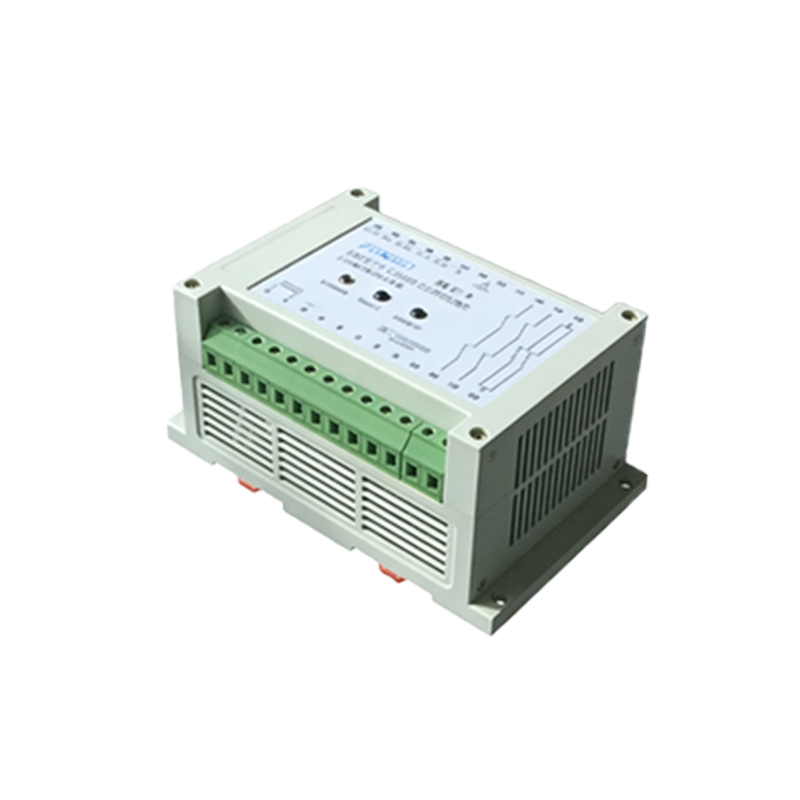
The fundamental operation hinges on the triangulation method or diffuse reflection. In a standard diffuse reflective sensor, the emitter and receiver are positioned at a specific angle within a single unit. When an object enters the detection zone, light scatters off its surface, with a portion returning to the receiver. The sensor's circuitry then processes this signal. Advanced models utilize modulated LED light to minimize interference from ambient light sources, ensuring stable performance even in brightly lit conditions. Key parameters include sensing distance, which is influenced by the target's color, material, and surface texture—light-colored, matte surfaces typically provide better reflectivity than dark, glossy ones. Response time is another critical factor, often in the microsecond range, enabling detection in high-speed production lines.
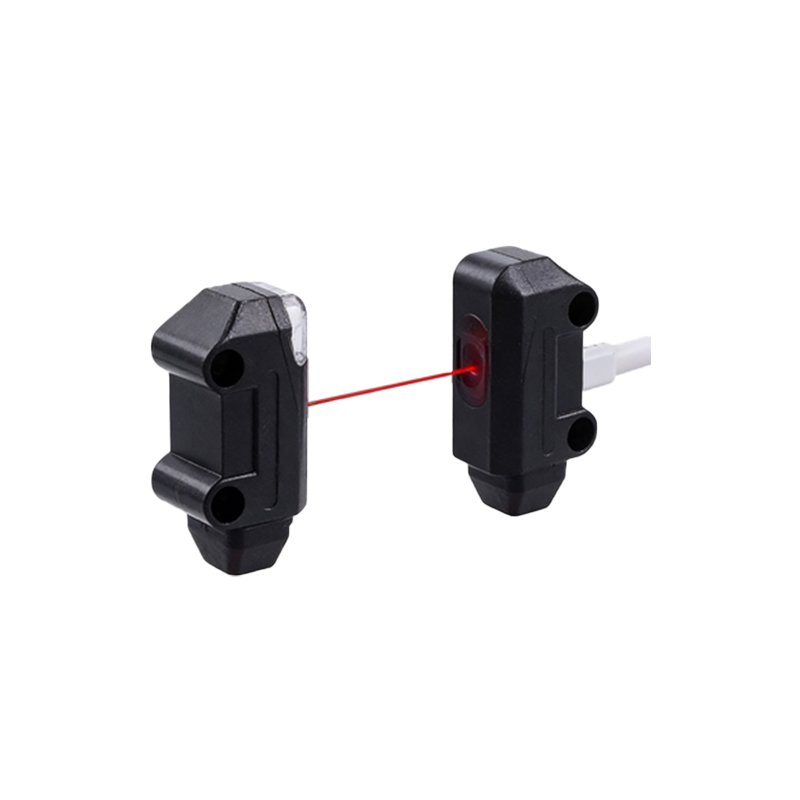
Key Design Features and Configurations
Modern reflective photoelectric sensors incorporate several design features to enhance functionality. Many are equipped with adjustable sensitivity potentiometers or teach-in functions, allowing users to set the detection threshold precisely for specific targets. Housing materials are selected for durability, often rated IP67 or higher for resistance to dust and water ingress. Configurations include background suppression (BGS) models, which use triangulation to detect objects only within a defined foreground distance, ignoring more distant backgrounds. This is crucial for applications where the sensor must distinguish an object from a similar-colored conveyor belt or backdrop. Another variant is the polarized reflective sensor, which includes a polarizing filter to reject reflections from shiny surfaces like glass or metal, reducing false triggers.
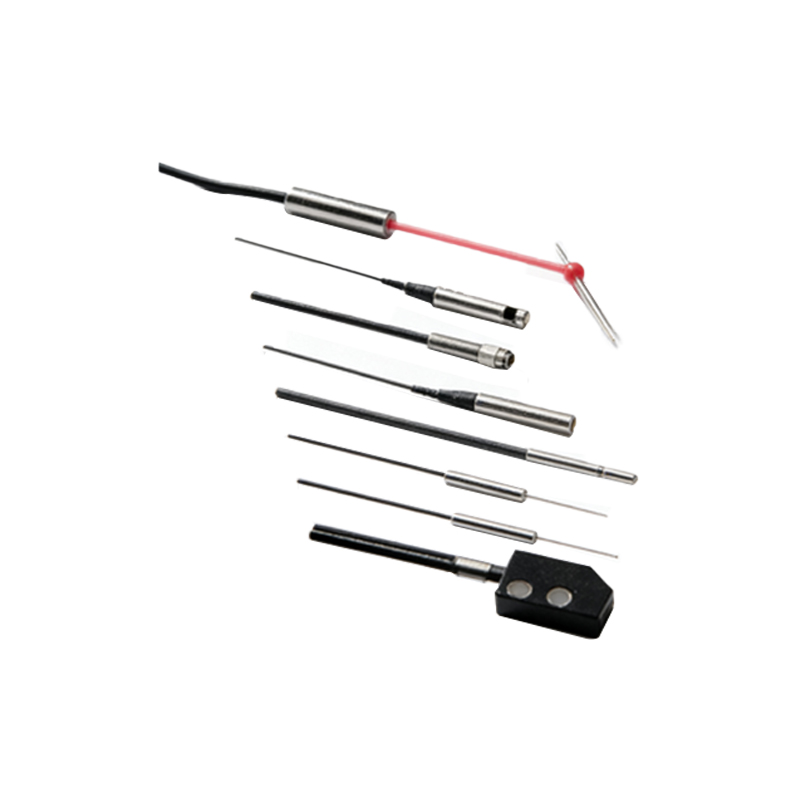
Application Scenarios in Industrial Settings
These sensors are deployed across diverse industrial scenarios. In packaging lines, they detect labels, verify fill levels in bottles, or count products on conveyors. For material handling, they position robotic arms by sensing pallets or guide AGVs (Automated Guided Vehicles) along pathways marked with reflective tape. In the automotive sector, sensors confirm the presence of components during assembly, such as checking if a screw is inserted. Electronics manufacturing relies on them for PCB board positioning and component verification. Their non-contact nature is particularly valuable in cleanrooms or food processing, where hygiene is paramount. Regular applications also include edge detection in printing machinery and object sorting based on reflectivity differences.
Advantages Over Other Sensor Types
Compared to through-beam or retro-reflective sensors, reflective photoelectric sensors offer distinct advantages. They require only a single unit for installation, simplifying mounting and alignment, which reduces setup time and cost. This compact design saves space in machinery. Unlike through-beam sensors, which need separate emitter and receiver units, reflective models are less prone to misalignment issues. When contrasted with proximity sensors (inductive or capacitive), they can detect non-metallic objects and operate over longer distances. Their ability to sense based on surface properties allows for more nuanced detection, such as distinguishing between materials. However, their performance can be affected by target optical characteristics, a consideration less critical for some alternatives.
Installation and Calibration Best Practices
Proper installation is essential for optimal performance. Sensors should be mounted securely to minimize vibration, which can cause signal fluctuation. The sensing path must be kept clear of obstructions like dust, oil mist, or steam, which can scatter or absorb light. Regular lens cleaning is recommended. During calibration, the sensor should be taught using the actual target object under normal operating conditions. Factors like ambient temperature and voltage stability should be accounted for, as extremes can affect LED output and circuit behavior. For challenging environments with high ambient light, selecting sensors with robust modulation frequencies or using protective shrouds can prevent interference. Wiring should follow manufacturer guidelines, often employing shielded cables in electrically noisy settings.
Maintenance and Troubleshooting Guidelines
Routine maintenance ensures long-term reliability. Inspect lenses periodically for contamination and clean with a soft cloth. Verify mounting stability and check for loose connections. Common issues include erratic signals or failure to detect. Troubleshooting typically involves checking the power supply, ensuring the target is within the specified sensing range and has suitable reflectivity. Using an oscilloscope to monitor the output signal can help diagnose electrical noise problems. If sensitivity drifts, recalibrate the sensor. In cases of persistent failure, environmental factors like extreme temperatures or chemical exposure may have degraded components, necessitating replacement with a suitably rated model. Keeping spare sensors and documenting calibration settings minimizes downtime.
Future Trends and Technological Developments
The evolution of reflective photoelectric sensors is driven by Industry 4.0 demands. Integration with IO-Link communication enables digital parameter setting, remote monitoring, and predictive maintenance data collection. Miniaturization continues, allowing installation in tighter spaces. Enhanced algorithms in smart sensors can compensate for target color variations or detect subtle contrasts. The use of laser diodes instead of LEDs is increasing for applications requiring precise, long-range detection. Furthermore, sensors with embedded diagnostics can alert users to lens contamination or misalignment before failures occur. As machine vision and sensor fusion advance, reflective photoelectric sensors will increasingly work in concert with other sensing technologies to provide comprehensive automation solutions, bolstering efficiency and adaptability in smart factories.