Introduction to Capacitive Sensing Technology
Capacitive proximity sensors are widely used in industrial automation for detecting the presence or absence of objects without physical contact. Unlike inductive sensors, which only detect metallic objects, capacitive sensors can detect a wide range of materials, including liquids, plastics, wood, and granular substances. This versatility makes them indispensable in various applications, from level detection in tanks to object positioning on conveyor belts. The core principle behind these sensors lies in changes in capacitance, which occur when an object enters the sensor's electrostatic field. By measuring these changes, the sensor can trigger an output signal, enabling automated systems to respond accordingly.
Basic Working Principle of Capacitive Sensors
At its heart, a capacitive proximity sensor operates based on the concept of capacitance, which is the ability of a system to store an electric charge. A typical sensor consists of an electrode (often part of the sensor face) that generates an electrostatic field. When no object is present, the sensor maintains a baseline capacitance. However, when an object enters this field, it alters the dielectric properties between the electrode and ground, causing a change in capacitance. This change is detected by an internal oscillator circuit, which then amplifies the signal and triggers a switch output. The sensitivity of the sensor can often be adjusted to account for different materials or environmental conditions, ensuring reliable detection across diverse industrial settings.
Key Components and Circuit Design
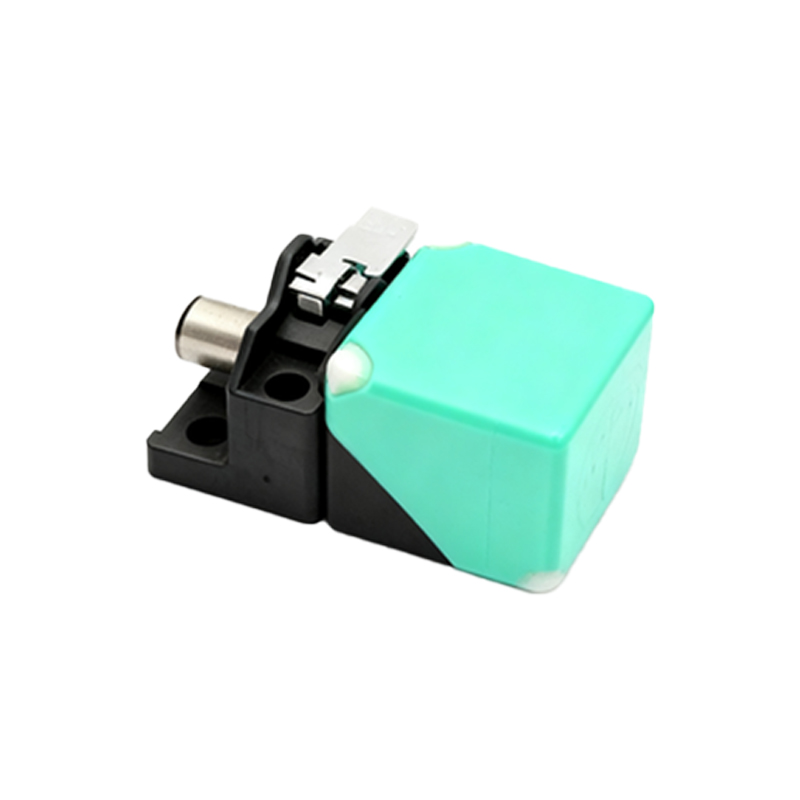
The main components of a capacitive proximity sensor include the sensing electrode, oscillator, demodulator, and output circuit. The sensing electrode is typically made of a conductive material and is responsible for creating the electrostatic field. The oscillator generates a high-frequency signal that is applied to the electrode. When an object approaches, the capacitance increases, causing a change in the oscillator's amplitude or frequency. The demodulator converts this change into a direct current signal, which is then processed by a threshold detector. If the signal exceeds a preset threshold, the output circuit activates, sending a signal to a controller or relay. Advanced sensors may also incorporate temperature compensation and shielding to minimize false triggers from environmental factors like humidity or nearby electrical noise.

Advantages Over Other Sensor Types
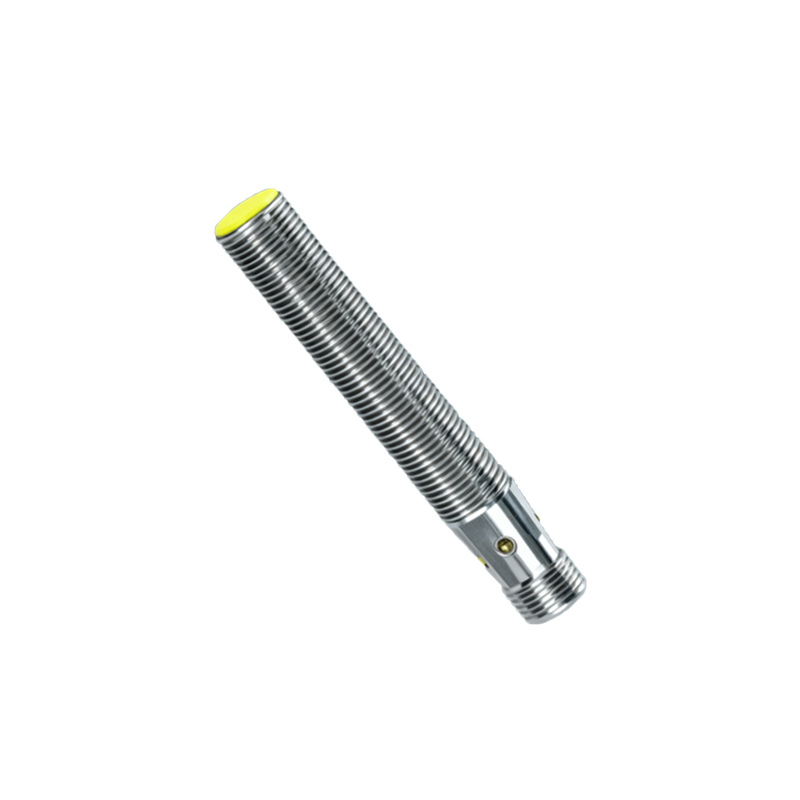
Capacitive proximity sensors offer several advantages that make them preferred in many industrial applications. Their ability to detect non-metallic objects sets them apart from inductive sensors, expanding their use in packaging, food processing, and pharmaceutical industries. They are also effective through non-metallic barriers, such as glass or plastic walls, allowing for sealed installations in hygienic or hazardous environments. Additionally, capacitive sensors typically have a longer sensing range compared to some alternatives and can be tuned for specific materials, providing flexibility in complex automation systems. However, they may be more susceptible to interference from contaminants like dust or moisture, which requires careful installation and maintenance.
Common Applications in Industry
In industrial automation, capacitive proximity sensors are employed in numerous tasks. One common application is level detection in tanks containing liquids or powders, where they can signal when materials reach a certain height. They are also used in conveyor systems to detect the presence of objects, ensuring proper sorting or packaging. In the automotive industry, these sensors monitor fluid levels or detect plastic components during assembly. Other uses include touch-sensitive controls on machinery, presence detection in robotics, and quality control in manufacturing lines. By providing non-contact detection, they reduce wear and tear, enhance safety, and improve efficiency in automated processes.
Installation and Calibration Tips
Proper installation is crucial for optimal performance of capacitive proximity sensors. It is recommended to mount the sensor in a stable position, away from moving parts or sources of electrical interference. The sensing range should be calibrated based on the target material; for instance, conductive materials like metals may require a shorter range setting, while non-conductive materials might need higher sensitivity. Environmental factors such as temperature fluctuations or humidity should be considered, and sensors with IP ratings may be necessary for harsh conditions. Regular maintenance, including cleaning the sensor face to remove buildup, helps prevent false readings. Many modern sensors feature LED indicators for easy diagnostics, simplifying troubleshooting in the field.
Future Trends and Innovations
The future of capacitive proximity sensors is evolving with advancements in technology. Miniaturization is enabling smaller sensors for compact applications, while improved signal processing algorithms are enhancing accuracy and reducing false triggers. Integration with IoT (Internet of Things) systems allows for real-time monitoring and data analytics, facilitating predictive maintenance in smart factories. Additionally, developments in materials science are leading to more robust sensors capable of withstanding extreme environments. As industries continue to automate, capacitive sensors will likely play an increasingly vital role, driven by demands for higher precision and connectivity in industrial automation solutions.
SEO