Enhanced Sensitivity and Accuracy
Internal photoelectric sensors are widely recognized for their superior sensitivity and accuracy in detecting minute changes in light intensity. These sensors operate by converting light signals into electrical signals through internal photoelectric effects, such as the photoconductive or photovoltaic effect. This allows them to precisely measure parameters like object presence, distance, or surface characteristics without physical contact. In industrial automation, for instance, they enable high-precision positioning in assembly lines, reducing errors to less than 0.1% in many applications. Their ability to detect subtle variations makes them ideal for quality control processes, where consistent performance is critical.
Durability and Longevity
One of the key advantages of internal photoelectric sensors is their robust construction and long operational life. Unlike mechanical sensors that wear out over time due to moving parts, these sensors rely on solid-state components, minimizing maintenance needs. They are often housed in sealed enclosures that protect against environmental factors like dust, moisture, and temperature fluctuations. This durability ensures reliable performance in harsh conditions, such as manufacturing plants or outdoor installations, where sensors may be exposed to vibrations or corrosive substances. As a result, they offer a cost-effective solution by reducing downtime and replacement costs.
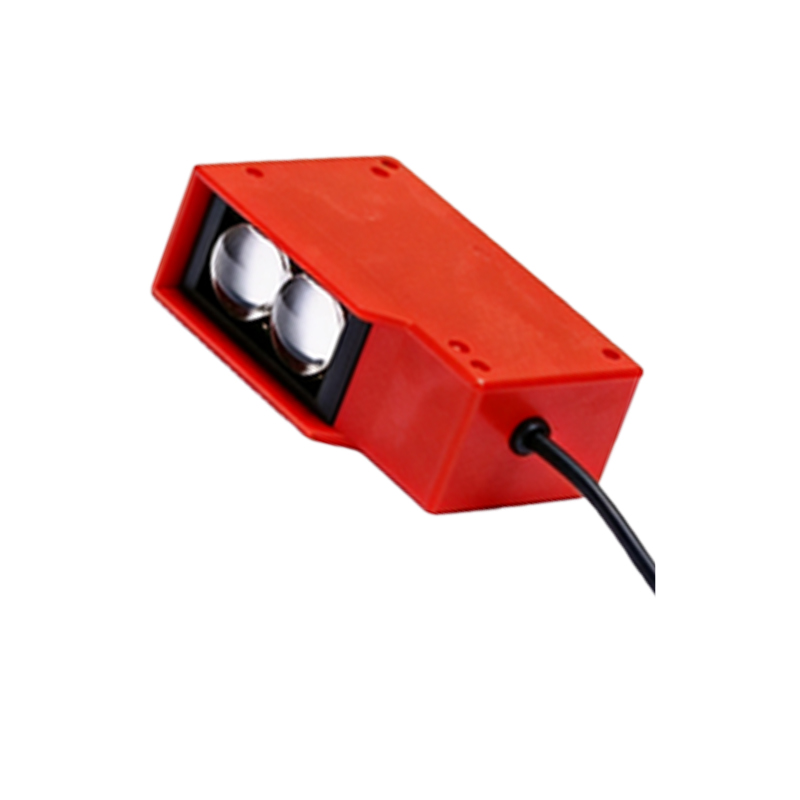
High-Speed Response and Efficiency
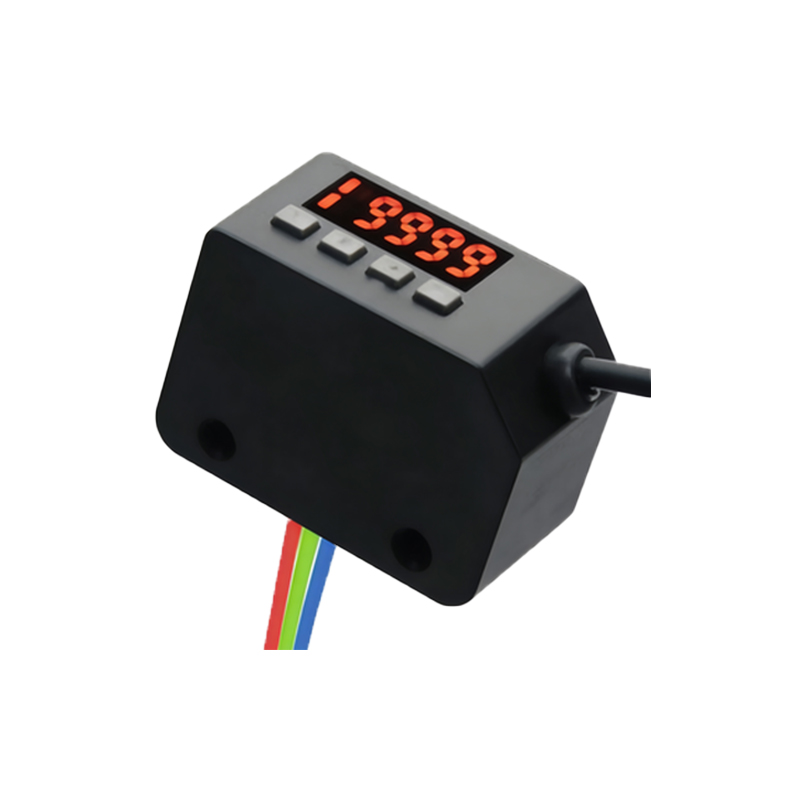
Internal photoelectric sensors excel in applications requiring rapid detection and response times. They can process light signals almost instantaneously, with response times typically in the microsecond range. This high-speed capability is essential in dynamic environments, such as packaging machinery or robotics, where quick adjustments are needed to maintain workflow efficiency. Additionally, their low power consumption contributes to energy savings, aligning with modern sustainability goals in electrical engineering. By enabling faster cycle times and reducing energy waste, these sensors enhance overall system productivity.
Versatility in Application
The versatility of internal photoelectric sensors makes them suitable for a wide range of industries, from automotive to healthcare. They can be configured for different sensing modes, including through-beam, retro-reflective, and diffuse reflection, allowing customization based on specific needs. For example, in automotive manufacturing, they are used for part inspection and safety monitoring, while in medical devices, they assist in non-invasive diagnostics. Their adaptability to various light sources, such as LEDs or lasers, further expands their utility, ensuring compatibility with diverse technological setups.
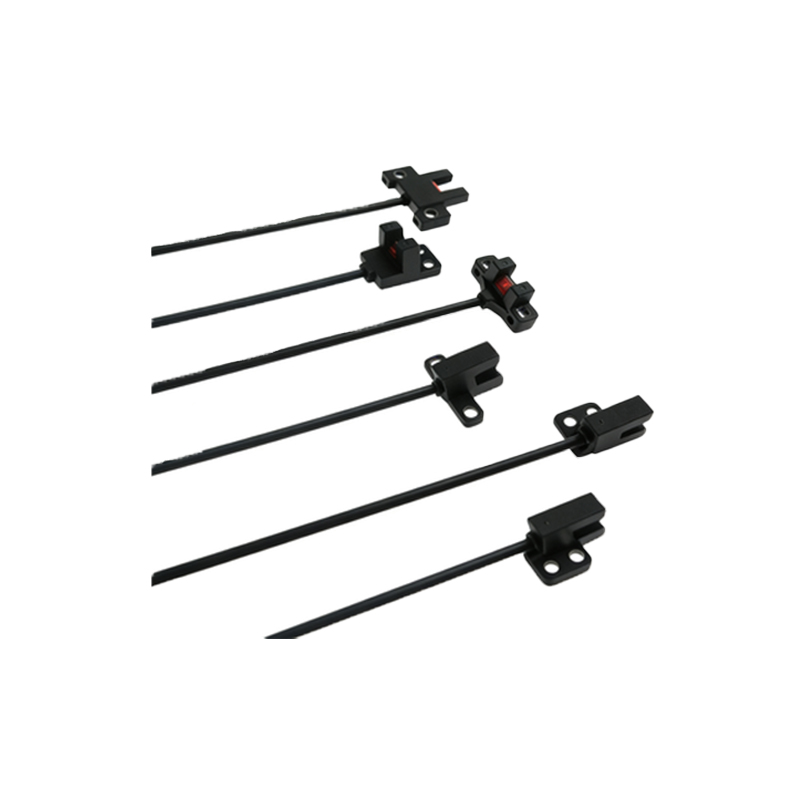
Improved Safety and Reliability
Safety is a paramount concern in electrical systems, and internal photoelectric sensors contribute significantly by providing non-contact sensing. This eliminates risks associated with mechanical wear or electrical interference, reducing the likelihood of accidents in hazardous areas. Their fail-safe designs often include self-diagnostic features that alert users to potential issues before system failures occur. In critical applications like emergency shutdown systems or fire detection, this reliability ensures continuous protection, meeting stringent industry standards for safety compliance.
Integration with Smart Technologies
With the rise of Industry 4.0 and IoT, internal photoelectric sensors are increasingly integrated into smart networks for real-time data collection and analysis. They can connect to control systems via digital interfaces, enabling remote monitoring and predictive maintenance. This integration allows for optimized performance through data-driven insights, such as adjusting sensor thresholds based on environmental changes. In smart factories, for instance, these sensors help create adaptive production lines that respond dynamically to demand shifts, enhancing operational agility and reducing waste.
Cost-Effectiveness and Scalability
Despite their advanced features, internal photoelectric sensors are often cost-effective due to mass production and technological advancements. Their scalability allows for easy deployment in both small-scale and large-scale projects without significant redesigns. Engineers can leverage modular designs to expand sensor networks as needed, supporting business growth. Over time, the reduced maintenance and energy costs contribute to a lower total cost of ownership, making them an economical choice for long-term investments in electrical infrastructure.