Introduction to Photoelectric Sensor Mounting
In the realm of industrial automation, photoelectric sensors are indispensable for tasks ranging from object detection and counting to positioning and quality control. However, the reliability and accuracy of these sensors are heavily dependent on their precise installation and alignment. This is where plastic mounting brackets play a critical, yet often underappreciated, role. These components are not mere accessories; they are engineered solutions designed to secure sensors in optimal positions, protect them from environmental hazards, and facilitate easy adjustment and maintenance. The selection of an appropriate mounting bracket directly influences system uptime, maintenance costs, and overall operational efficiency. This guide delves into the technical aspects, material considerations, and application-specific designs of plastic brackets for photoelectric sensors.
Key Functions and Design Advantages
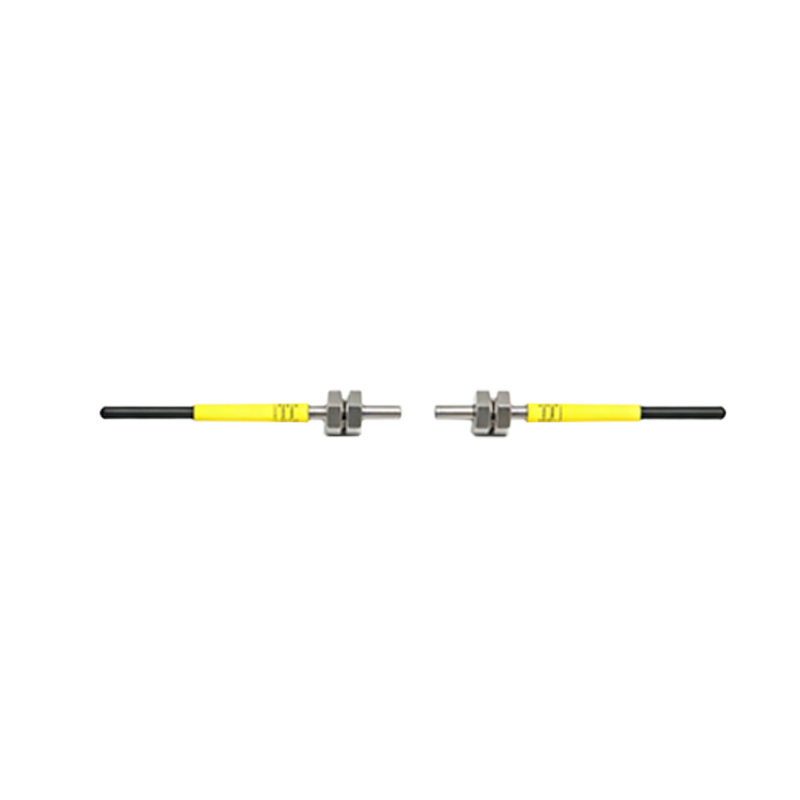
Plastic mounting brackets serve multiple essential functions in an industrial setting. Primarily, they provide a stable and vibration-resistant platform, ensuring the sensor's sensing beam remains accurately directed at the target. Many designs incorporate slotted holes or articulated joints, allowing for multi-axis adjustment—critical for fine-tuning the sensor's position during installation and calibration. Furthermore, these brackets act as a first line of defense, shielding the sensor body from direct physical impact, flying debris, and incidental contact with machinery or personnel. The use of engineering plastics offers inherent advantages over metal brackets, including excellent corrosion resistance against moisture, chemicals, and oils commonly found in factories. Their lightweight nature simplifies handling and installation, while their electrical insulation properties eliminate risks of short circuits.
Material Science: Selecting the Right Polymer
The performance of a plastic bracket is dictated by its polymer composition. Common materials include Polyamide (PA, Nylon), known for its high strength, toughness, and good resistance to wear and abrasion. It is a preferred choice for demanding environments. Polypropylene (PP) offers excellent chemical resistance and low moisture absorption, suitable for washdown areas in food and beverage processing. For applications requiring higher thermal stability and dimensional precision, Polybutylene Terephthalate (PBT) or Acetal Copolymer (POM) are often selected. Engineers must evaluate factors such as continuous operating temperature range, UV stability for outdoor use, flame-retardant requirements (e.g., UL94 ratings), and mechanical load capacity. The choice of material ensures the bracket maintains its structural integrity and does not creep or deform under constant stress or varying temperatures, which could misalign the sensor.
Common Bracket Types and Configurations
A wide array of standard bracket configurations exists to meet diverse mounting challenges. The *L-shaped bracket* is ubiquitous, providing a simple 90-degree mount for attaching sensors to flat surfaces, machine frames, or T-slot aluminum extrusions. *Swivel or pivot brackets* feature a ball-and-socket or dual-hinge design, enabling a full range of angular adjustments, which is ideal for aligning sensors to non-perpendicular targets. *Strap-mounted brackets* allow sensors to be securely clamped onto pipes, cylinders, or other cylindrical profiles. For applications where space is constrained, *low-profile or mini brackets* are available. Additionally, *articulating arm brackets* offer extended reach and multiple points of adjustment, useful for positioning a sensor over a conveyor or into a hard-to-reach area. Each design incorporates specific features like locking screws, graduated scales for repeatable positioning, and standardized hole patterns for compatibility with major sensor brands.
Installation Best Practices and Alignment Tips
Proper installation is paramount for optimal sensor performance. Begin by selecting a bracket that matches both the sensor's housing size and the required mounting orientation. Ensure the mounting surface is clean, flat, and structurally sound. When tightening the bracket's fasteners, use a calibrated torque tool to avoid over-tightening, which can stress the plastic and lead to cracking, or under-tightening, which may allow movement due to vibration. During alignment, temporarily secure the bracket and sensor, then use the adjustment mechanisms to precisely aim the sensor. A helpful technique is to use a visible laser alignment tool if the sensor model offers one, or to monitor the sensor's output signal (often an LED indicator) in real-time while making minute adjustments. Once aligned, systematically tighten all locking mechanisms, and consider applying a thread-locking compound to critical screws in high-vibration environments.
Application-Specific Considerations
The selection of a mounting bracket must be contextualized within the specific application. In packaging machinery, where speeds are high and timing is critical, rigid brackets with minimal flex are necessary to maintain precise beam alignment. For automotive assembly lines, brackets must withstand exposure to oils, coolants, and occasional impacts. In cleanroom or food-processing environments, brackets should be made from FDA-compliant materials, feature smooth surfaces without crevices to prevent bacterial growth, and withstand frequent high-pressure, high-temperature washdowns. Outdoor applications, such as in material handling yards, require brackets with UV-stabilized plastics to prevent embrittlement from sunlight exposure. Understanding these environmental and operational stresses guides the engineer toward the most robust and reliable bracket solution.
Maintenance, Inspection, and Lifecycle
Plastic mounting brackets are designed for durability but are not immune to wear. A proactive maintenance schedule should include periodic visual inspections for signs of cracking, discoloration (indicating UV degradation or chemical attack), or deformation. Check all fasteners for looseness, as industrial vibrations can cause them to back out over time. Inspect the adjustment mechanisms for smooth operation; accumulated dust or grime can hinder movement. While high-quality engineering plastics offer long service lives, they should be considered consumable components in a preventive maintenance plan. Replacing a worn bracket during a scheduled downtime is far more cost-effective than dealing with a sensor failure caused by misalignment or a fallen sensor during production. Proper care ensures the sensor system remains accurate and reliable for years.
Conclusion and Future Trends
The humble plastic mounting bracket is a foundational element in building resilient and accurate photoelectric sensing systems. Its design and material composition are the result of careful engineering tailored to harsh industrial realities. As sensor technology advances with smarter, more compact designs, bracket manufacturers continue to innovate, offering more modular, tool-less adjustment features, and using advanced composite materials for even greater strength-to-weight ratios. The integration of RFID tags or QR codes on brackets for digital asset management and maintenance tracking is an emerging trend. By giving due consideration to the selection, installation, and maintenance of these critical mounting components, engineers and technicians can significantly enhance the performance, longevity, and return on investment of their photoelectric sensing applications.