Introduction and Experimental Objectives
This report summarizes a comprehensive series of experiments conducted to evaluate the performance characteristics of various industrial proximity sensors. The primary objectives were to quantify key operational parameters, including sensing distance, repeatability, response time, and environmental interference susceptibility. Understanding these parameters is critical for selecting the appropriate sensor type—inductive, capacitive, or photoelectric—for specific automation and control applications. The experiments were designed to simulate real-world industrial conditions to provide actionable data for system integration and design engineers.
Experimental Setup and Methodology
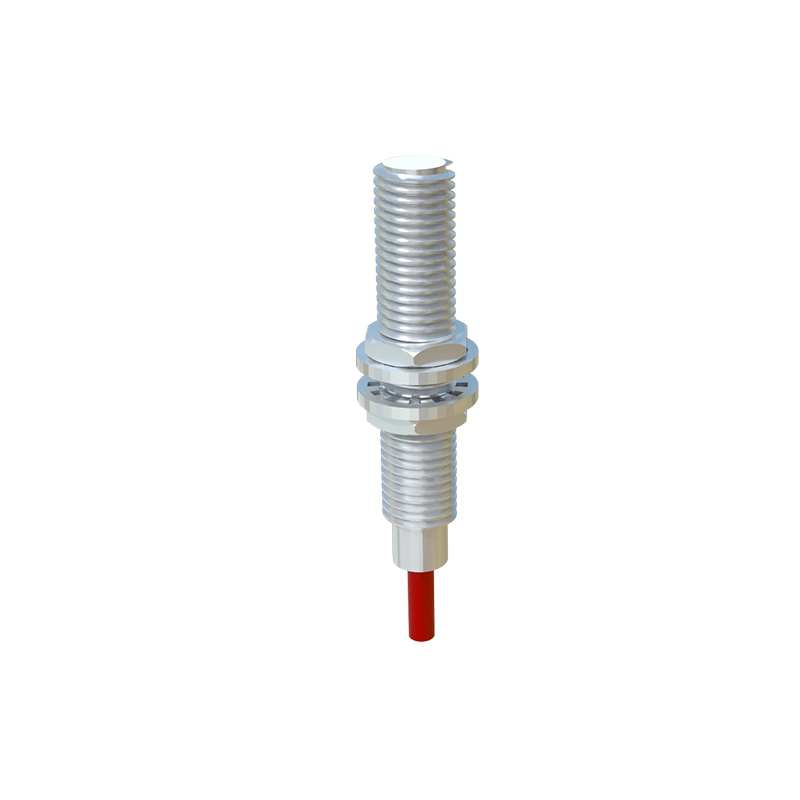
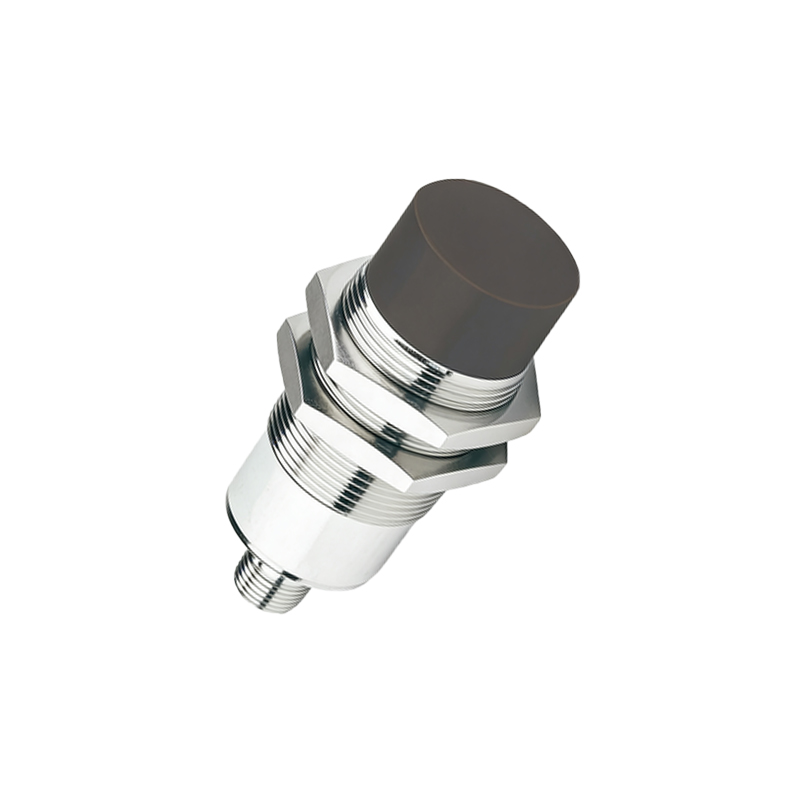
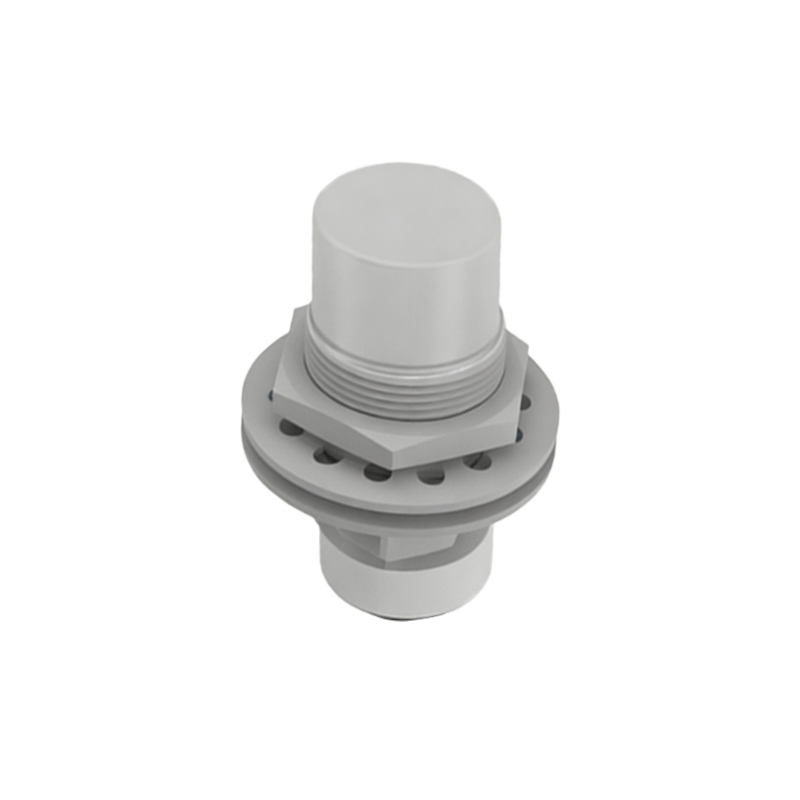
The test bench comprised a calibrated linear positioning system, a data acquisition unit, and the sensors under test: an inductive sensor for metallic targets, a capacitive sensor for non-metallic materials, and a diffuse-reflective photoelectric sensor. Targets of standardized size and material (steel, aluminum, plastic, and wood) were mounted on the positioning stage. Each sensor was connected to a programmable logic controller (PLC) and an oscilloscope to capture switching signals. The methodology involved systematically varying the distance between the sensor face and the target, recording the precise point of actuation, and measuring the time delay between target presence and output signal change. Ambient light and the presence of non-target materials were introduced to test interference.
Key Findings on Sensing Distance and Repeatability
The inductive sensor demonstrated the highest consistency for ferrous steel targets, achieving 100% of its rated sensing distance with a repeatability error of less than ±0.5%. However, its effective range reduced by approximately 30% for aluminum, confirming its material-dependent nature. The capacitive sensor showed a wider variation in sensing distance based on the dielectric constant of the target material, with plastic yielding a 15% longer range than wood. Repeatability for capacitive sensing was within ±1.5%, slightly lower than the inductive type. The photoelectric sensor's range was highly dependent on target color and reflectivity, with light-colored targets detected at nearly double the distance of dark matte surfaces. Its repeatability was affected by ambient dust, registering a ±2% variance.
Analysis of Response Time and Switching Frequency
Response time, defined as the delay from target entry into the sensing field to a stable output state, was fastest for the photoelectric sensor, averaging 0.8 milliseconds. The inductive sensor followed at 1.2 ms, and the capacitive sensor was slowest at 3.5 ms due to its field stabilization time. These figures directly translate to maximum switching frequencies. The photoelectric sensor supported frequencies up to 1 kHz, suitable for high-speed counting applications. The inductive sensor reached 800 Hz, while the capacitive sensor was limited to around 285 Hz. This data is crucial for applications involving fast-moving objects on production lines.
Environmental Factors and Interference Resistance
Environmental testing revealed significant differences. The inductive sensor proved immune to dust, moisture, and ambient light, performing flawlessly in obscured conditions. However, it was susceptible to interference from adjacent metallic objects or strong electromagnetic fields, which caused false triggering at a distance of 50% of its rated range. The capacitive sensor was affected by humidity changes and the presence of any material near its active face, leading to potential drift in the sensing point. The photoelectric sensor's performance degraded substantially in the presence of heavy airborne particulates and was vulnerable to optical interference from external light sources, requiring careful shielding or modulation techniques.
Comparative Summary and Application Guidance
In summary, each sensor technology exhibits distinct advantages. Inductive sensors are the robust, repeatable choice for detecting metals in harsh, dirty environments but are limited to metallic targets. Capacitive sensors offer unique capability for detecting liquids, powders, and non-metals through non-ferrous barriers but require stable environmental conditions and careful installation. Photoelectric sensors provide the longest range and fastest response for a variety of surfaces but demand a clean optical path and controlled lighting. The selection matrix must prioritize the target material, required speed, environmental cleanliness, and installation constraints.
Conclusion and Recommendations for Implementation
The experimental data underscores that there is no universal "best" proximity sensor. For machine guarding or position detection of metal components, inductive sensors are overwhelmingly recommended. For level detection of granular materials or plastics, capacitive sensors are ideal. For high-speed packaging, object counting, or color differentiation, photoelectric sensors are superior. It is strongly recommended to derate the catalog sensing distance by a safety factor of 15-25% for reliable real-world operation. Furthermore, implementing sensor diagnostics and periodic recalibration, especially for capacitive and photoelectric types in variable environments, will ensure long-term system reliability and reduce downtime.