Introduction to Through-Beam Photoelectric Sensors
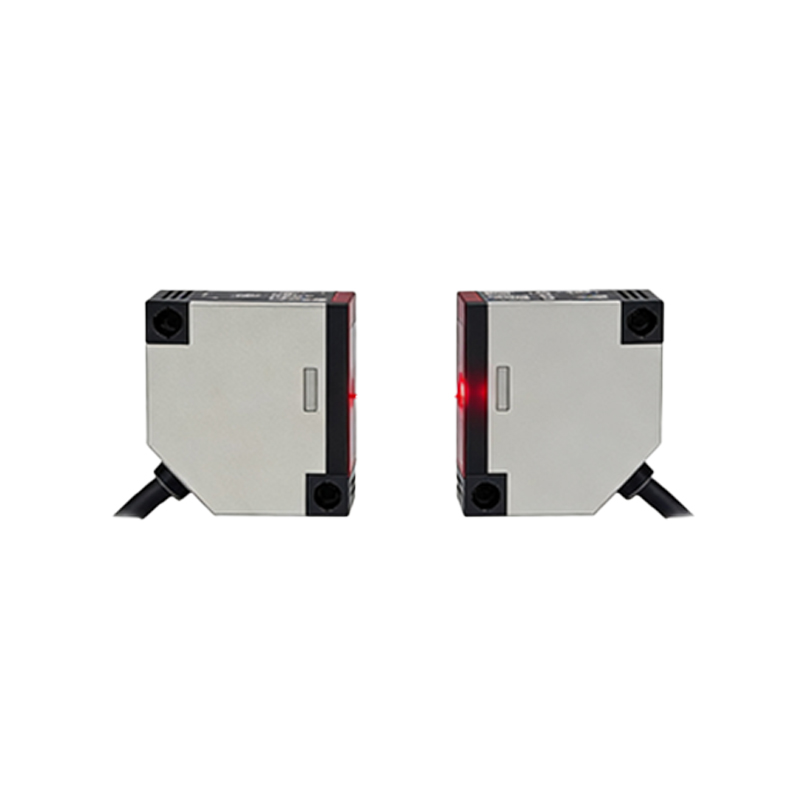
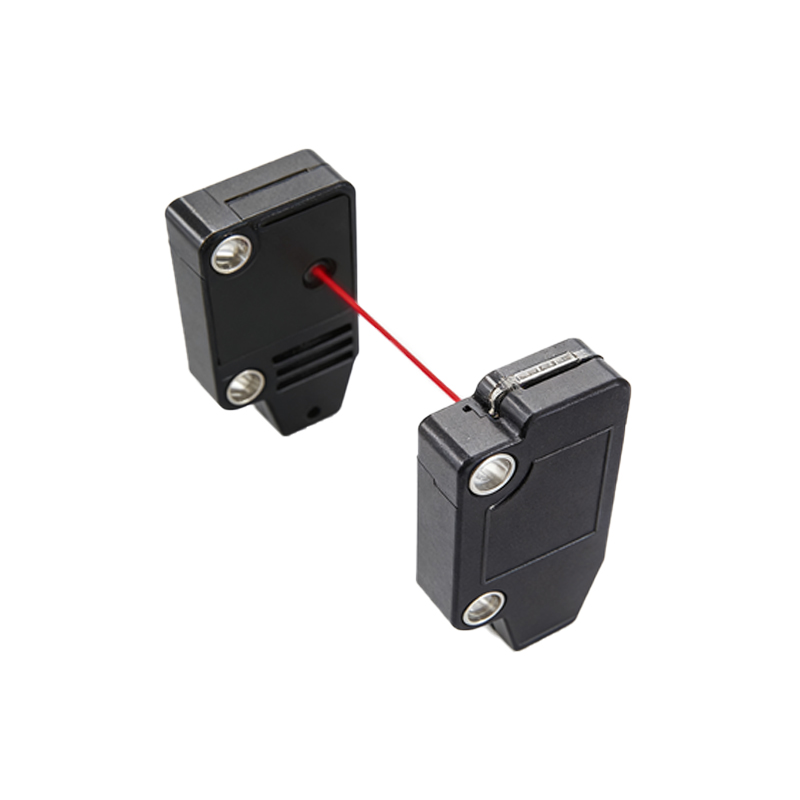
Through-beam photoelectric sensors, often regarded as the most reliable type in the photoelectric sensing family, operate on a straightforward principle. They consist of two separate units: a transmitter and a receiver. The transmitter emits a continuous or modulated beam of light, typically from an LED source, which is then detected by the receiver positioned directly opposite. The core function is to detect an object when it interrupts this light beam between the two units. This method provides a long sensing range and high immunity to environmental interferences like dust, dirt, or target surface characteristics, making it a cornerstone in industrial automation for precise object detection, counting, and safety applications.
Core Operating Principle and Components
The fundamental operation hinges on the modulation of light. The transmitter's light source is often pulsed at a specific frequency. The receiver is tuned to this same frequency, allowing it to distinguish the sensor's own light from ambient background light, thereby significantly enhancing stability and accuracy. Key components include the light-emitting element (usually a visible red, infrared, or laser diode), a lens for beam shaping and focusing, and the receiving element (a phototransistor or photodiode) with a corresponding lens. When an opaque object breaks the beam, the receiver's output state changes, triggering a control signal. This binary operation—beam present or absent—enables clear, unambiguous detection signals crucial for high-speed or critical processes.
Advantages Over Other Sensing Modes
Compared to diffuse-reflective or retro-reflective sensors, through-beam models offer distinct benefits. They boast the longest possible sensing distances, from a few centimeters up to several hundred meters in specialized laser models. Their performance is largely unaffected by the color, reflectivity, or surface finish of the target object; it only requires the object to be opaque enough to interrupt the beam. This leads to superior consistency and reliability. Furthermore, they exhibit excellent resistance to harsh conditions. Since the receiver does not rely on reflected light, contaminants like dust on lenses or shiny surfaces in the background do not cause false triggers, ensuring stable operation in demanding environments like packaging, material handling, and automotive assembly.
Typical Industrial Applications

The robustness and precision of through-beam photoelectric sensors make them indispensable across various sectors. In manufacturing and assembly lines, they are used for precise part presence verification, accurate object counting on conveyors, and detecting the edge of materials in web processes. They form the backbone of safety systems, such as light curtains, where arrays of beams protect hazardous machine zones. In logistics and warehousing, they monitor package flow, control gate operations, and ensure proper positioning in automated storage and retrieval systems. Their ability to detect small objects at high speeds also makes them ideal for pharmaceutical packaging and electronics component insertion machines.
Critical Considerations for Selection and Installation
Selecting the right through-beam sensor requires careful analysis of application parameters. Key factors include required sensing distance, the size and material of the target object, environmental conditions (temperature, humidity, exposure to chemicals or washdowns), and required response speed. Electrical output type (PNP/NPN, analog, or relay) and housing material (metal or plastic) are also vital. During installation, precise alignment of the transmitter and receiver is paramount for optimal performance. Misalignment can reduce effective range or cause failure. Using mounting brackets and alignment tools is highly recommended. Additionally, considering potential mechanical vibration, thermal expansion, or accidental impacts that may shift units over time is essential for long-term reliability.
Maintenance and Troubleshooting Guidelines
While known for durability, through-beam sensors require periodic maintenance to ensure peak performance. Regular cleaning of lenses with appropriate materials prevents buildup of dust, oil, or debris that could attenuate the light signal. It is crucial to verify the alignment periodically, especially after any maintenance on surrounding machinery. Common troubleshooting steps include checking power supply connections, confirming that no new obstructions are partially blocking the beam, and inspecting for physical damage to cables or housings. Many modern sensors feature diagnostic LEDs on both transmitter and receiver units, providing visual indicators for power status, beam reception strength, and output state, greatly simplifying the diagnosis of issues like weak signal or misalignment.
Future Trends and Technological Evolution
The evolution of through-beam photoelectric sensors continues alongside Industry 4.0 and smart factory trends. Integration of IO-Link communication is becoming standard, allowing for remote configuration, real-time monitoring of signal strength, and predictive maintenance data transmission. Advancements in laser diode technology enable smaller spot sizes for detecting extremely fine objects or wires. There is also a growing emphasis on developing sensors with enhanced resistance to extreme temperatures and pressures for use in specialized industries. Furthermore, the integration of background suppression algorithms and advanced filtering techniques within the receiver electronics is improving performance in environments with high levels of ambient light or electrical noise, pushing the boundaries of where these robust sensors can be deployed.