Introduction to Proximity Sensors
Proximity sensors are critical components in modern industrial automation, designed to detect the presence or absence of objects without physical contact. These devices operate based on various principles, including inductive, capacitive, ultrasonic, and photoelectric technologies. Inductive sensors are commonly used for metal detection, while capacitive sensors can identify both metallic and non-metallic materials. Ultrasonic sensors rely on sound waves, and photoelectric sensors use light beams. Each type offers distinct advantages in terms of range, accuracy, and environmental adaptability. In industrial settings, proximity sensors enhance efficiency by enabling precise control in machinery, robotics, and safety systems. Their non-contact nature reduces wear and tear, leading to lower maintenance costs and increased operational longevity. Understanding these fundamentals is essential for effective implementation in real-world applications.

Experimental Setup and Methodology
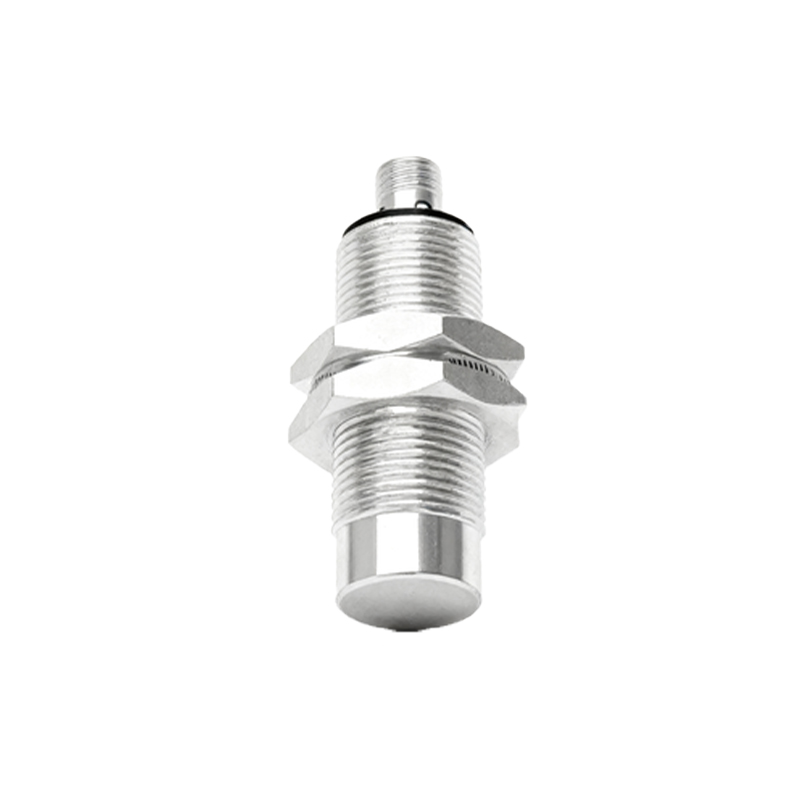
The training involved a hands-on laboratory setup to evaluate the performance of different proximity sensors. The equipment included an inductive sensor (model IS-12M), a capacitive sensor (model CS-30A), an ultrasonic sensor (model US-50), and a photoelectric sensor (model PE-25), all connected to a programmable logic controller (PLC) for data acquisition. The test objects comprised metallic plates, plastic containers, and liquid-filled vessels to simulate diverse industrial scenarios. The methodology followed a systematic approach: first, calibrating each sensor according to manufacturer specifications; second, measuring detection distances under controlled conditions; and third, assessing response times and repeatability. Environmental factors such as temperature, humidity, and electromagnetic interference were monitored to ensure accurate results. Data was recorded using specialized software, allowing for real-time analysis and comparison across sensor types.
Performance Analysis and Results
The experimental results revealed significant variations in sensor performance based on material composition and environmental conditions. Inductive sensors demonstrated optimal detection ranges of up to 15mm for ferrous metals, with response times under 2 milliseconds. However, their effectiveness decreased with non-metallic objects. Capacitive sensors showed versatility, detecting materials like plastic and glass within a 10mm range, but were sensitive to moisture, requiring careful calibration. Ultrasonic sensors provided the longest detection range (up to 200mm) and were effective for liquid level monitoring, though they exhibited slower response times (around 50 milliseconds). Photoelectric sensors excelled in high-speed applications, with response times below 1 millisecond, but were prone to interference from ambient light. Overall, the data highlighted that no single sensor type is universally superior; selection must align with specific operational requirements, such as precision, speed, and environmental resilience.
Practical Applications in Industry
Proximity sensors are integral to numerous industrial processes, enhancing automation and safety. In manufacturing, inductive sensors are deployed for position sensing in conveyor systems, ensuring accurate part placement and reducing jams. Capacitive sensors are utilized in packaging lines to detect fill levels in containers, preventing overflow or underfill. Ultrasonic sensors play a key role in automotive assembly for distance measurement and obstacle avoidance in robotic arms. Photoelectric sensors are common in quality control, identifying defects on production lines through light reflection analysis. Additionally, these sensors contribute to safety mechanisms, such as emergency stop functions in machinery when unauthorized access is detected. The training emphasized that proper installation and regular maintenance—like cleaning lenses and checking alignment—are crucial for sustained performance. Case studies from automotive and pharmaceutical industries illustrated how sensor integration can reduce downtime by up to 20% and improve product consistency.
Challenges and Troubleshooting Techniques
Despite their reliability, proximity sensors face challenges that can impact functionality. Common issues include false triggering due to environmental interference, such as dust or vibration, and reduced sensitivity from material buildup on sensor surfaces. Electromagnetic noise from nearby equipment may also cause erratic readings, particularly for inductive sensors. During the training, troubleshooting techniques were practiced: first, verifying power supply stability and wiring connections; second, adjusting sensitivity settings to minimize false alarms; and third, implementing shielding or filtering to mitigate electromagnetic interference. For ultrasonic sensors, ensuring a clear path and stable temperature conditions proved vital. Regular diagnostic checks, like using oscilloscopes to monitor signal integrity, were recommended. The session concluded that proactive maintenance and adherence to manufacturer guidelines can prevent most operational failures, with real-time monitoring systems offering early warnings for potential issues.
Future Trends and Recommendations
The evolution of proximity sensors is driven by advancements in IoT and smart manufacturing. Emerging trends include the integration of wireless connectivity for remote monitoring and data logging, enhancing predictive maintenance capabilities. Miniaturization allows sensors to fit into compact spaces, expanding their use in electronics and medical devices. Additionally, AI-powered sensors with adaptive learning algorithms can self-calibrate based on environmental changes,