Understanding Proximity Sensor Failure Modes
Proximity sensors are the unsung heroes of industrial automation, providing critical non-contact detection of metallic and non-metallic objects. However, like all electronic components, they are subject to wear and eventual failure. Common failure modes include physical damage from impacts or environmental stress, degradation of the sensing face, internal electronic component failure, and wiring or connection issues. Understanding these failure modes is the first step in selecting the correct replacement part. A sudden loss of signal, erratic detection behavior, or a complete lack of output are typical indicators that a replacement is necessary. It is crucial to diagnose whether the issue lies with the sensor itself, the cabling, or the controller input before proceeding with a swap.
Key Specifications for Selecting Replacements
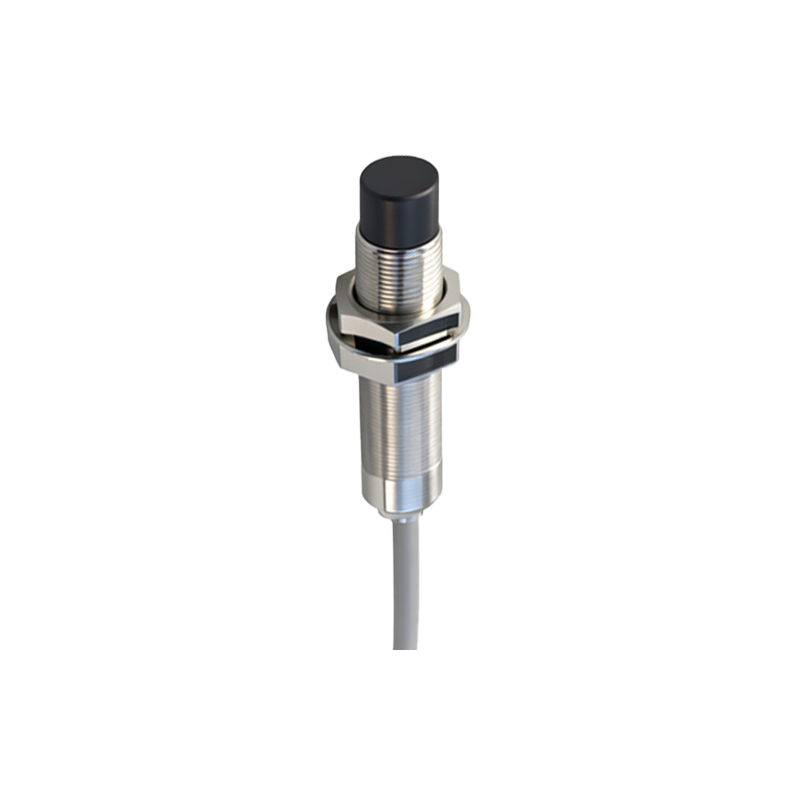
Selecting the right replacement proximity sensor is not merely about matching the physical shape. Several technical specifications must be meticulously verified to ensure seamless integration and performance. First, determine the sensing technology: inductive (for metals), capacitive (for various materials including liquids), or ultrasonic. Next, confirm the sensing range, which must meet or exceed the original application's requirements. The electrical output type is critical—whether it's NPN (sinking) or PNP (sourcing), NO (normally open) or NC (normally closed), and the voltage rating (e.g., 10-30V DC). The housing material (e.g., nickel-plated brass, stainless steel, PBT plastic) and ingress protection (IP) rating must be suitable for the operating environment, which may involve exposure to coolants, oils, or washdowns.
Interchangeability and Cross-Referencing
In an ideal scenario, an exact OEM (Original Equipment Manufacturer) part is available. However, supply chain delays or cost considerations often make cross-referencing to compatible parts from other manufacturers a practical necessity. Successful cross-referencing hinges on matching the core specifications outlined above. Utilize manufacturer catalogs and online cross-reference tools. Pay close attention to the mechanical dimensions, thread size (e.g., M8, M12, M18, M30), and connector type (e.g., quick-disconnect, integral cable, pin assignment). A millimeter's difference in length or diameter can prevent physical installation. Always verify the electrical compatibility with your PLC or control system to avoid damaging either the new sensor or the controller.
Installation and Commissioning Best Practices
Proper installation is paramount for the longevity and reliability of a new proximity sensor. Begin by ensuring power is completely locked out and tagged out (LOTO) from the circuit. Carefully remove the faulty sensor, noting the wiring configuration. Clean the mounting area to prevent debris from affecting the new unit's sensing face. When installing, avoid overtightening, as this can distort the housing and affect performance. Maintain the recommended gap between the sensor face and the target object; this is typically 0-80% of the rated sensing distance. After wiring according to the datasheet—double-checking polarity for DC sensors—power up the system. Use the sensor's indicator LED (if present) and a multimeter to verify correct switching operation before returning the machine to service.
The Role of Smart Sensors and IO-Link
The landscape of proximity sensor replacement is evolving with the adoption of Industry 4.0 technologies. Modern "smart" sensors with IO-Link communication offer significant advantages beyond simple on/off detection. When considering a replacement, evaluating an upgrade to an IO-Link capable sensor can provide future-proofing benefits. These sensors can transmit detailed diagnostic data (e.g., operating temperature, signal strength, switch cycles) to the controller, enabling predictive maintenance and reducing unplanned downtime. While the initial cost may be higher, the long-term gains in operational intelligence and simplified wiring (standard 3-wire connection for both power and data) can justify the investment, especially in critical or high-cycle applications.
Building a Strategic Spare Parts Inventory
For maintenance managers, proactive management of proximity sensor spare parts is a key strategy for minimizing machine downtime. Analyze historical failure data to identify the most frequently used sensor types in your facility—common sizes like M8 and M12 inductive sensors are often high on the list. Standardize on a few preferred models and manufacturers where possible to simplify inventory and technician training. Keep a critical stock of these high-use items, along with necessary mounting brackets and connector cables. For less common or specialized sensors, maintain accurate records of the part numbers and the specific machines they serve, and establish reliable supplier