Introduction to Photoelectric Sensor Market Trends
The global photoelectric sensor market has witnessed substantial growth, driven by increasing automation across manufacturing, packaging, and logistics sectors. These sensors, known for their non-contact detection capabilities, are essential for precision tasks such as object counting, positioning, and quality inspection. Key factors influencing sales include technological advancements in sensing range, response time, and environmental durability. Industries like automotive, food and beverage, and pharmaceuticals are major adopters, leveraging sensors for efficiency and safety. Market reports indicate a steady annual growth rate, with demand surging in regions like Asia-Pacific due to rapid industrialization. Understanding sales rankings helps stakeholders identify leading products and emerging trends, shaping procurement and innovation strategies.
Top 5 Photoelectric Sensor Brands by Sales Volume
Based on recent market data, the following brands lead in global sales volume. Omron Corporation holds the top position, renowned for its E3Z and E3S series, which offer high reliability in diverse conditions. SICK AG follows closely, with its versatile W4 and WL series sensors favored for harsh industrial environments. Keyence Corporation ranks third, known for innovative models like the PZ series with advanced alignment features. Rockwell Automation and Schneider Electric secure the fourth and fifth spots, respectively, providing robust solutions for integrated automation systems. These brands dominate due to extensive distribution networks, strong R&D investments, and compatibility with Industry 4.0 frameworks.
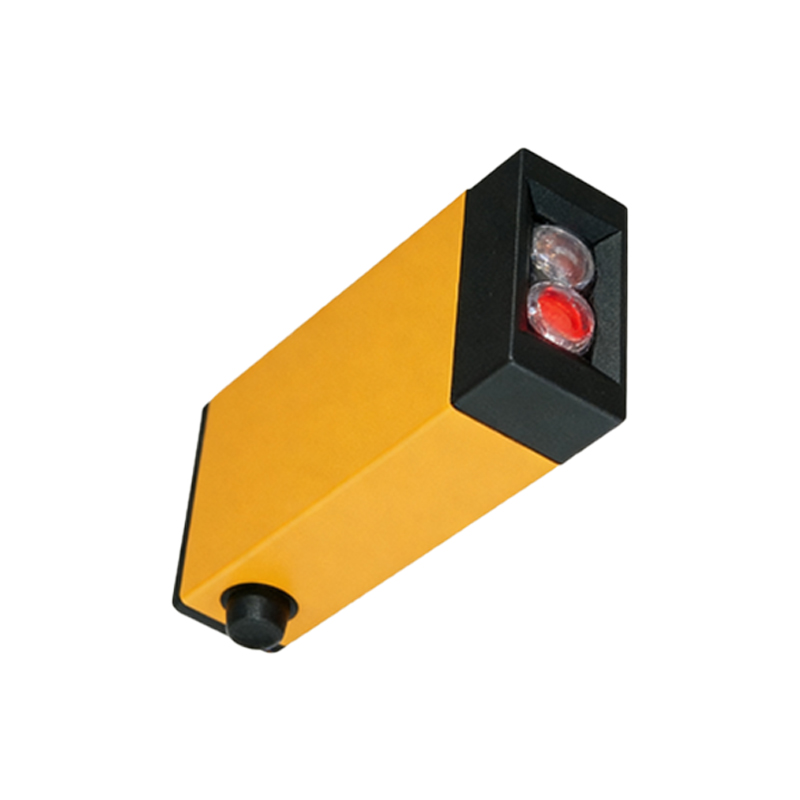
Best-Selling Photoelectric Sensor Models Analysis
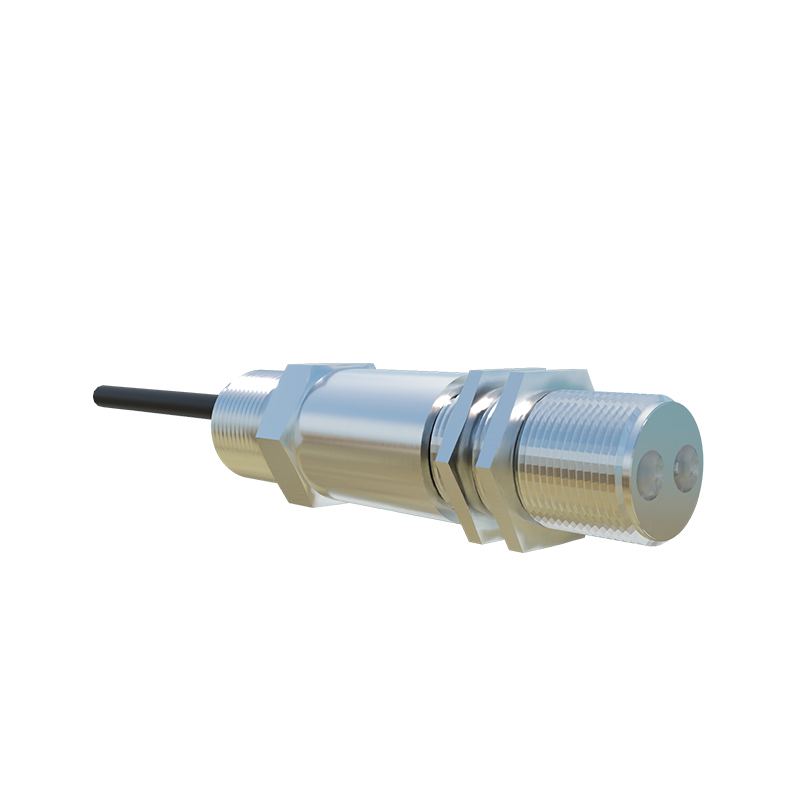
Specific models drive sales rankings, reflecting industry preferences. Omron's E3Z-T81, a through-beam sensor, excels in long-range detection up to 15 meters, making it popular in material handling. SICK's WL12-2P243, a diffuse reflective sensor, is widely used for short-range object detection in packaging lines due to its compact design. Keyence's PZ-V41, a polarized retro-reflective sensor, stands out for its immunity to shiny surfaces, ideal for automotive assembly. Rockwell's 42EF RightSight M30 sensor offers easy installation in tight spaces, while Schneider's XU series provides cost-effective solutions for basic applications. These models highlight trends toward miniaturization, enhanced connectivity, and energy efficiency.
Factors Influencing Photoelectric Sensor Sales Performance
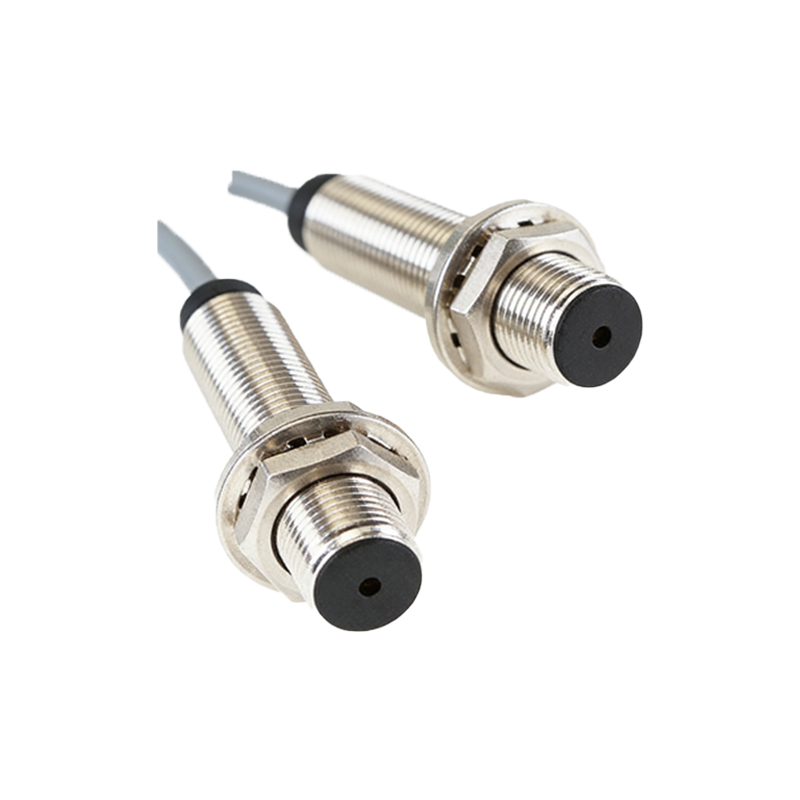
Sales rankings are shaped by multiple technical and economic factors. Sensing range and accuracy are critical, as industries demand higher precision for complex tasks. Environmental resistance, such as IP67 ratings for dust and water protection, boosts adoption in challenging settings. Integration with IoT and PLC systems enhances appeal, enabling real-time data monitoring. Pricing strategies also play a role, with mid-range sensors capturing the largest market share. Regional demand variations impact sales; for instance, Asia-Pacific leads in volume due to manufacturing expansion, while North America focuses on high-end, smart sensors. Additionally, after-sales support and customization options drive brand loyalty.
Industry Applications Driving Sales Growth
Photoelectric sensor sales are propelled by diverse applications. In automotive manufacturing, sensors ensure precise part alignment and robot guidance, with through-beam types dominating. The food and beverage industry relies on diffuse sensors for container inspection and fill-level control, requiring hygienic designs. Logistics and warehousing use retro-reflective sensors for conveyor belt tracking and inventory management. Pharmaceutical applications demand high-precision sensors for pill counting and packaging integrity checks. Emerging sectors like renewable energy employ sensors in solar panel positioning systems. Each application prioritizes specific features, such as fast response times or chemical resistance, influencing model popularity and sales rankings.
Future Outlook and Emerging Trends
The photoelectric sensor market is evolving with technological innovations. Smart sensors with embedded IO-Link connectivity are gaining traction, enabling predictive maintenance and data analytics. Miniaturization continues, allowing installation in compact machinery without sacrificing performance. Energy-efficient designs reduce operational costs, appealing to sustainability-focused industries. Sales are expected to rise for sensors with enhanced AI capabilities, such as pattern recognition for quality control. Regional shifts may occur, with growing demand in developing economies. Brands investing in R&D for adaptive sensing and wireless options are likely to climb future rankings, reshaping competitive landscapes.