Introduction to Diffuse Reflective Photoelectric Sensors
Diffuse reflective photoelectric sensors are widely used in industrial automation for object detection. Unlike through-beam or retro-reflective sensors, these devices emit a light beam—typically infrared, visible red, or laser—from a single unit. The sensor detects objects by measuring the light that scatters back from the target's surface. This design eliminates the need for a separate receiver, making installation simpler and more cost-effective. Common applications include detecting products on conveyor belts, monitoring fill levels, and counting items in packaging lines. The principle relies on the reflectivity of the target; darker or non-reflective materials may require sensors with adjustable sensitivity to ensure reliable operation.
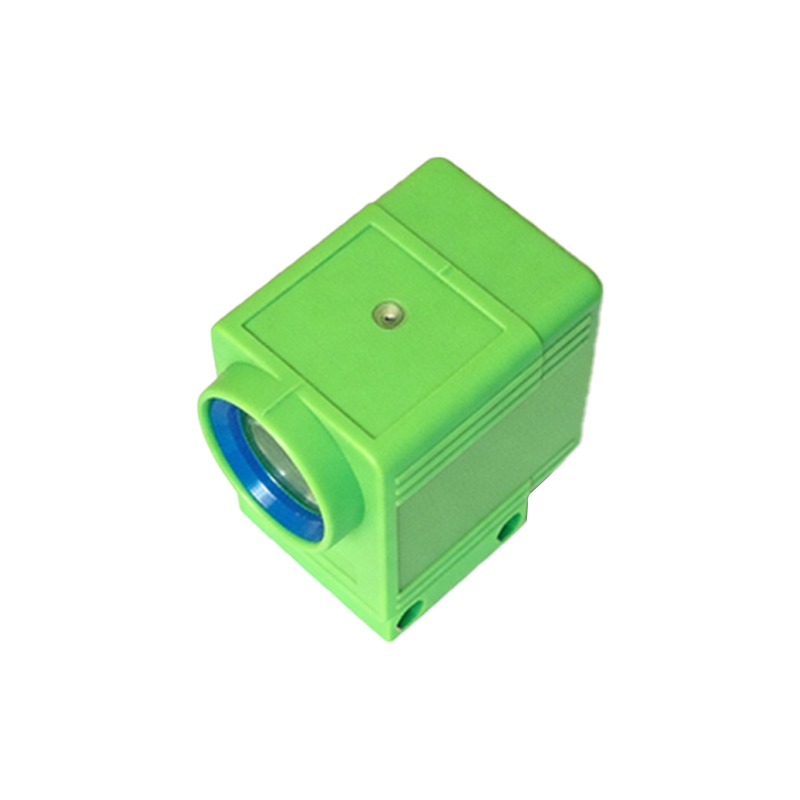
Key Components and Working Mechanism
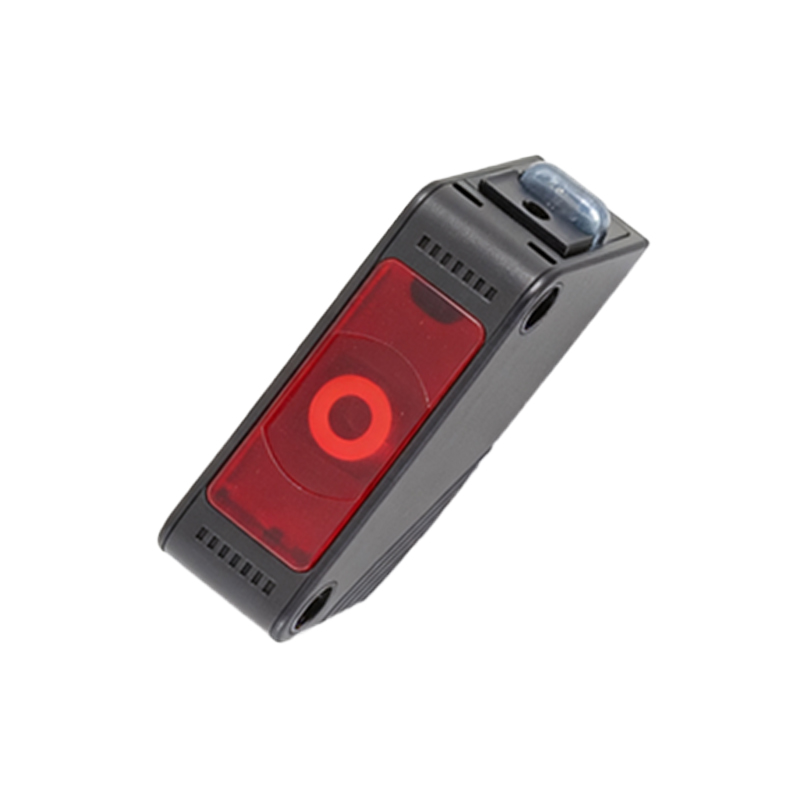
A diffuse reflective photoelectric sensor consists of an emitter, a receiver, and signal processing circuitry. The emitter projects a focused light beam toward the detection area. When an object enters this area, light reflects diffusely off its surface, and part of it returns to the receiver. The receiver converts the light intensity into an electrical signal, which is then analyzed by the internal circuitry. If the signal exceeds a preset threshold—adjusted via potentiometers or digital interfaces—the sensor triggers an output. Advanced models feature background suppression technology, which uses triangulation to ignore distant objects or backgrounds, enhancing accuracy in complex environments. This mechanism allows for detection ranges from a few millimeters to several meters, depending on the model and target properties.
Advantages in Industrial Applications
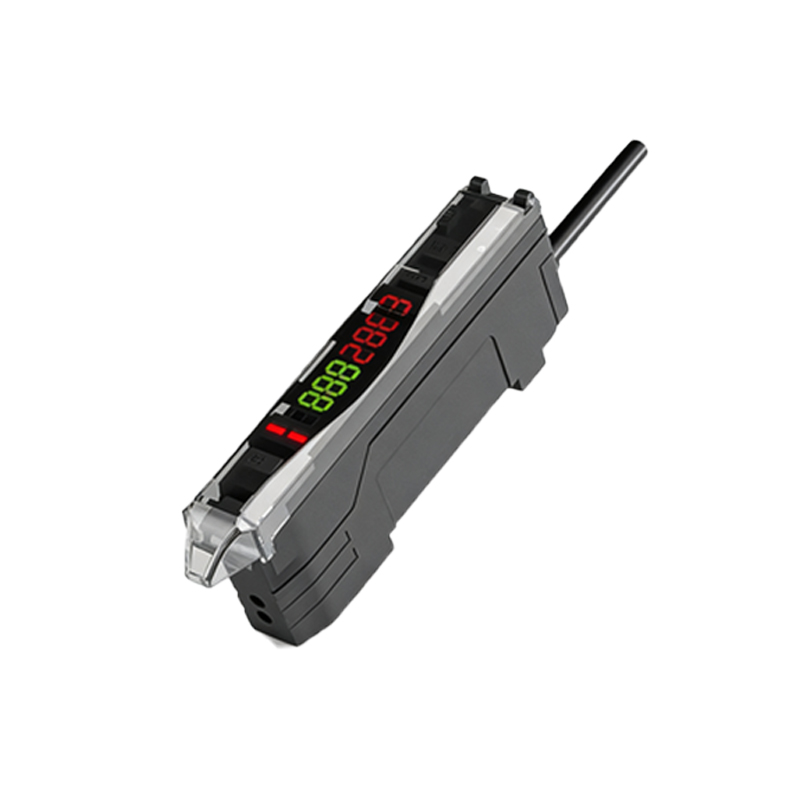
The primary advantage of diffuse reflective sensors is their ease of installation, as they require only one mounting point. This reduces wiring complexity and maintenance costs. They are versatile, capable of detecting various materials, including plastic, metal, and glass, though performance may vary with surface color and texture. Many sensors offer built-in diagnostics, such as LED indicators for alignment and status, aiding in quick setup and troubleshooting. In harsh conditions, models with IP67 or higher ratings provide resistance to dust, moisture, and vibrations. Additionally, their compact size allows integration into tight spaces, making them ideal for robotics, assembly lines, and material handling systems where space is limited.
Limitations and Considerations for Selection
Despite their benefits, diffuse reflective sensors have limitations. Detection reliability can be affected by environmental factors like ambient light, which may cause false triggers. To mitigate this, sensors with modulated light sources or spectral filters are recommended. Target characteristics also play a crucial role; highly reflective or shiny surfaces might produce inconsistent signals, while dark materials absorb light, reducing range. Users should consider the sensor's response time, sensing distance, and output type (e.g., NPN, PNP, or analog) based on application needs. Regular calibration and testing are essential to maintain performance, especially in dynamic settings where object sizes or positions change frequently.
Future Trends and Technological Innovations
The future of diffuse reflective photoelectric sensors is driven by smart manufacturing and Industry 4.0. Innovations include IoT-enabled sensors with Ethernet or IO-Link connectivity, allowing real-time data monitoring and remote configuration. Enhanced algorithms improve discrimination between objects and backgrounds, even in low-contrast scenarios. Miniaturization continues, enabling sensors for micro-assembly tasks. Energy-efficient designs reduce power consumption, supporting sustainable operations. As industries adopt more automated solutions, these sensors will evolve with features like AI integration for predictive maintenance, further boosting efficiency and reliability in diverse sectors from logistics to pharmaceuticals.