Introduction to Oil Leak Detection Systems
Oil leak detectors are critical components in industrial and automotive applications, designed to monitor and alert users to potential oil leaks that could lead to equipment failure, environmental hazards, or safety risks. These systems often incorporate advanced sensing technologies, with photoelectric sensors playing a key role in many modern detectors. Understanding the placement and function of these sensors is essential for effective maintenance, troubleshooting, and optimization of leak detection processes. This article explores the typical locations of photoelectric sensors within oil leak detectors, their operational principles, and best practices for installation and care.
Role of Photoelectric Sensors in Leak Detection
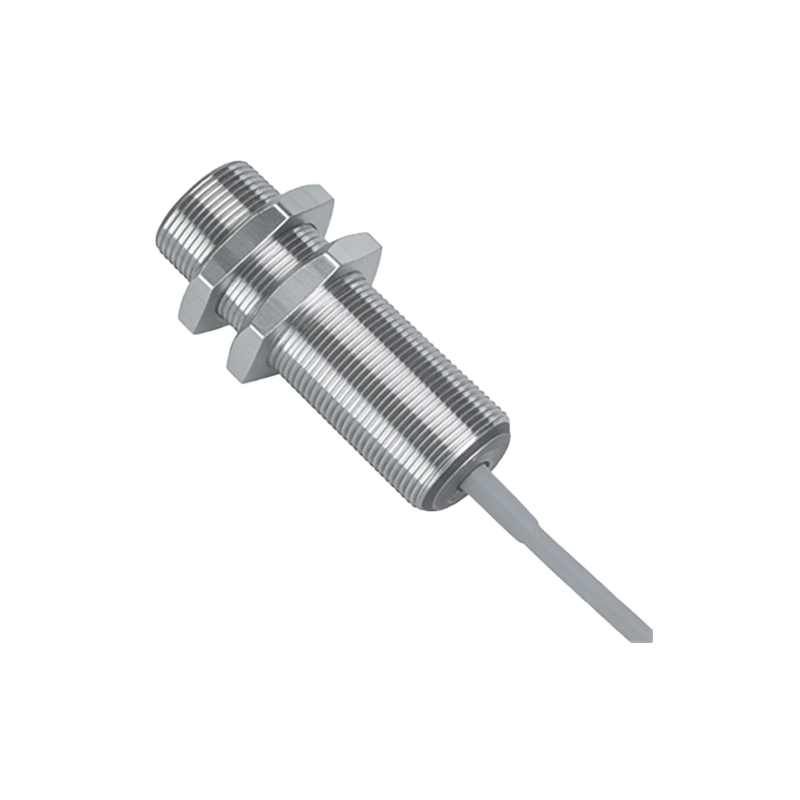
Photoelectric sensors in oil leak detectors operate by emitting a light beam—usually infrared or visible light—and detecting changes in the light's intensity or reflection caused by the presence of oil. When oil enters the sensor's detection zone, it alters the light path, triggering an alarm or signal. These sensors are valued for their non-contact operation, high sensitivity, and ability to detect small amounts of fluid quickly. They are commonly used in environments where precision and reliability are paramount, such as in machinery lubrication systems, hydraulic units, and pipeline networks. Their effectiveness depends heavily on proper positioning to ensure accurate detection without false triggers from dust, debris, or other contaminants.
Primary Locations Within the Detector Unit
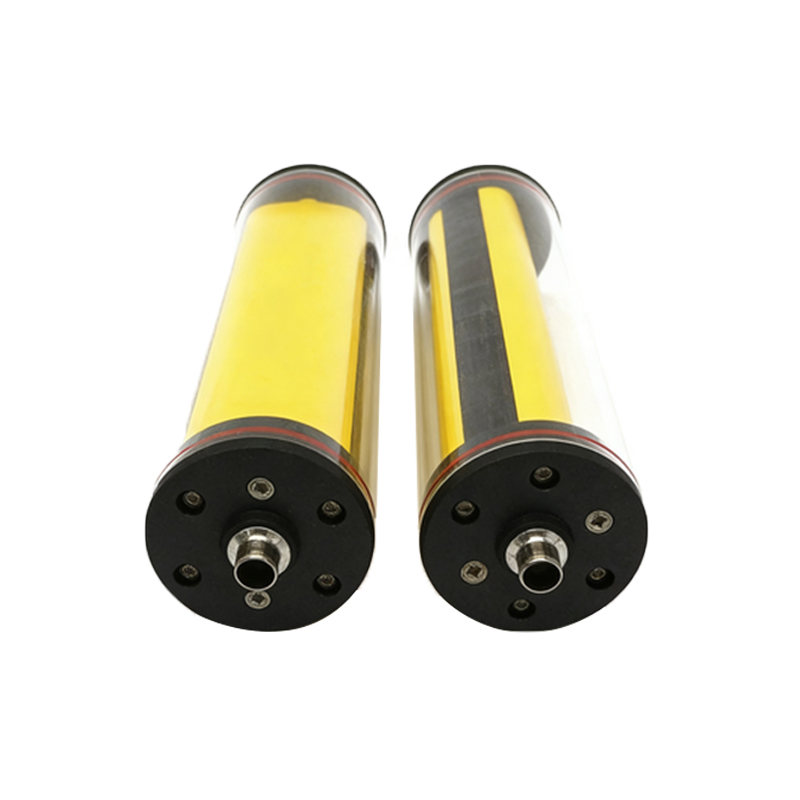
In most oil leak detectors, the photoelectric sensor is strategically placed in areas where oil accumulation is likely to occur first. Common locations include the bottom or lower housing of the detector, near drainage points or collection basins. For instance, in sump-based leak detectors, the sensor is often mounted at the base of the sump to directly monitor fluid levels. In inline or flow-through detectors, it may be positioned within a transparent chamber or tube where oil passes, allowing the light beam to scan for leaks in real-time. Additionally, some detectors feature multiple sensors distributed along potential leak paths, such as at pipe joints or under machinery, to provide comprehensive coverage. The exact placement varies by manufacturer and application, but it typically prioritizes accessibility for cleaning and calibration while minimizing exposure to mechanical damage.
Integration with Control and Alarm Systems
The photoelectric sensor is rarely an isolated component; it is integrated into a broader control system that includes amplifiers, relays, and communication modules. In oil leak detectors, the sensor is usually connected to a central processing unit that interprets the light signal changes and activates alarms, shutdown procedures, or notifications. This integration often involves wiring the sensor to terminal blocks or connectors located on the detector's main board or enclosure. For wireless or smart detectors, the sensor may link to a transmitter that sends data to remote monitoring stations. Proper integration ensures timely responses to leaks, with the sensor's location chosen to facilitate easy wiring and minimize signal interference from other electrical components.
Installation Guidelines and Environmental Considerations
Correct installation is crucial for the photoelectric sensor's performance. It should be mounted in a stable, vibration-free area, aligned precisely to avoid misreading due to ambient light or obstructions. In oil leak detectors, common installation sites include shielded enclosures or protective casings that guard against splashes, corrosion, and temperature extremes—factors that can degrade sensor accuracy. For example, in high-humidity or oily atmospheres, sensors are often placed behind sealed windows or with protective coatings. Additionally, the sensor's location should allow for routine maintenance, such as lens cleaning and calibration checks, without requiring full disassembly of the detector. Following manufacturer specifications for mounting distances and angles helps optimize detection range and reduce false alarms.
Maintenance and Troubleshooting Tips
Regular maintenance of the photoelectric sensor in an oil leak detector involves inspecting its placement for any shifts or blockages that could impair function. Since oil residues can accumulate on the sensor lens, periodic cleaning with appropriate solvents is necessary to maintain light transmission. Troubleshooting common issues—like false alarms or failure to detect leaks—often starts with verifying the sensor's location: ensure it hasn't been moved or obscured by debris. Check connections and alignment, as loose wiring or misalignment can cause intermittent signals. In some cases, relocating the sensor to a less turbulent or cleaner area within the detector can improve reliability. Documenting the sensor's position during initial setup aids in swift repairs and replacements.
Advancements and Future Trends in Sensor Placement
Technological advancements are influencing where and how photoelectric sensors are used in oil leak detectors. Miniaturization allows sensors to be embedded in tighter spaces, such as within smart probes or micro-detectors for confined equipment. Wireless and IoT-enabled sensors are being placed in more remote or hazardous locations, transmitting data without extensive wiring. Future trends may include distributed sensor networks across entire facilities, with photoelectric units positioned at every potential leak point, coupled with AI analytics for predictive maintenance. As detectors become more compact and multifunctional, sensor placement will increasingly focus on modular designs that allow easy upgrades and customization based on specific operational needs.
Conclusion and Best Practices Summary
Identifying the photoelectric sensor in an oil leak detector requires understanding its role in detecting fluid presence through light-based principles. Typically located at key points like sump bases, flow chambers, or near collection areas, the sensor must be installed with precision and maintained regularly to ensure optimal performance. By integrating it properly with control systems and considering environmental factors, users can enhance leak detection accuracy and system longevity. As technology evolves, sensor placement will continue to adapt, offering more flexible and intelligent solutions for industrial safety. Adhering to manufacturer guidelines and conducting routine checks remains essential for reliable operation.