Understanding the Core Technology of Proximity Sensors
Proximity sensors are non-contact devices designed to detect the presence or absence of an object within their sensing field. Their operation hinges on various physical principles, primarily electromagnetic or capacitive effects. The most common types in industrial automation are inductive and capacitive proximity sensors. Inductive sensors generate an oscillating electromagnetic field. When a metallic object enters this field, it induces eddy currents on the object's surface, causing a change in the sensor's oscillation amplitude. This change is detected and triggers the sensor's output switch. Capacitive sensors, on the other hand, detect objects by measuring changes in capacitance between the sensor's active surface and the target, making them suitable for a wider range of materials, including non-metals, liquids, and powders.
The Aluminum Detection Challenge with Inductive Sensors
The central question—can inductive proximity sensors detect aluminum—has a nuanced answer: yes, but with significant caveats and reduced performance compared to ferrous metals like steel or iron. Aluminum is a non-ferrous, conductive metal. Inductive sensors rely on the target material's ability to absorb electromagnetic energy and create eddy currents. Since aluminum is conductive, it does indeed generate eddy currents. However, aluminum's relative permeability is 1 (identical to air), unlike ferrous metals which have a high permeability. This lower permeability drastically reduces the effective sensing distance for aluminum. A sensor rated for an 8mm sensing distance for mild steel might only detect a standard aluminum target at 2-3mm, a reduction of approximately 60-70%. Furthermore, the specific alloy, surface condition, and thickness of the aluminum can further influence detection reliability.
Key Factors Influencing Detection Performance
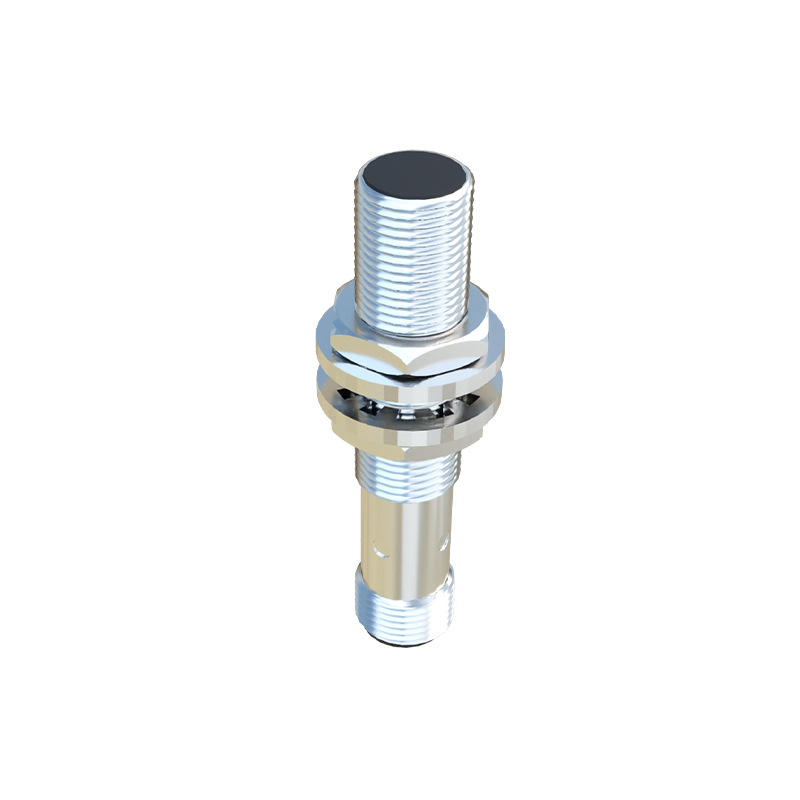
Several technical factors critically impact an inductive sensor's ability to detect aluminum reliably. First is the reduction factor. Manufacturers provide a reduction factor (or correction factor) for non-ferrous metals. For aluminum, this factor typically ranges from 0.3 to 0.5. The effective sensing distance (Sn) is calculated as the rated sensing distance for steel multiplied by this reduction factor. Second, target size and thickness are paramount. The aluminum object must be at least as large as the sensor's face and meet a minimum thickness to allow sufficient eddy current formation; thin foils may not be detected. Third, oscillator frequency and sensor design play a role. Some specialized inductive sensors are optimized for non-ferrous metal detection, offering better performance for aluminum.
Specialized Sensor Solutions for Aluminum Detection
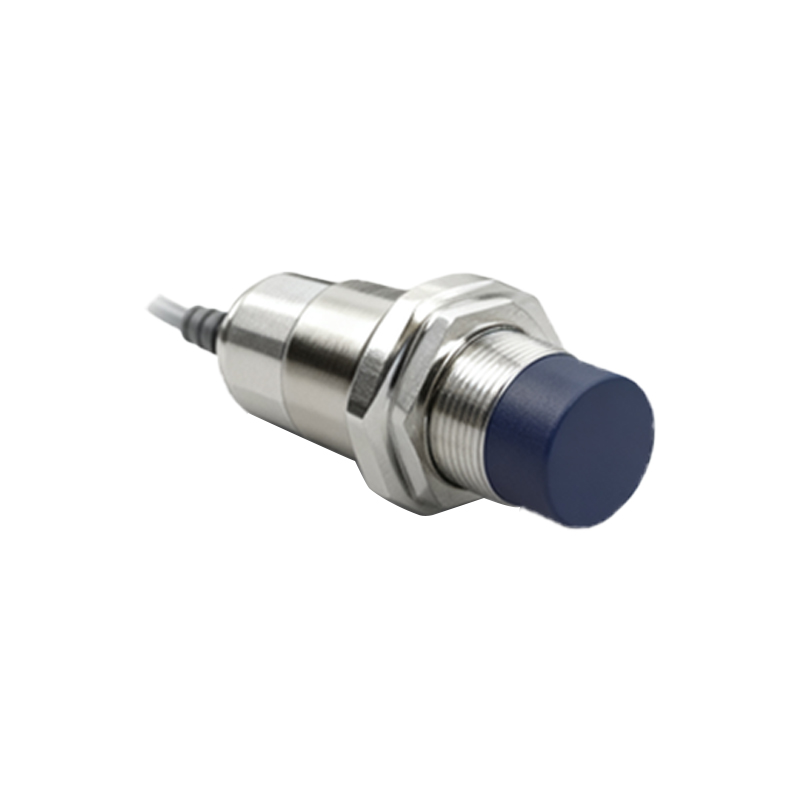
For applications requiring reliable aluminum detection, engineers have several specialized options. All-Metal Inductive Sensors are specifically designed to minimize the difference in sensing distance between ferrous and non-ferrous metals. They often incorporate higher-frequency oscillators and advanced circuitry to achieve a more uniform response. Capacitive Proximity Sensors present a robust alternative. Since they detect based on a material's dielectric constant rather than its conductivity, they can detect aluminum with a sensing distance largely independent of its non-ferrous nature. They are less affected by the target's permeability. Ultrasonic Sensors offer another non-contact solution, using sound waves to detect objects regardless of material, color, or transparency, making them ideal for varied aluminum part detection.
Practical Application Considerations and Best Practices
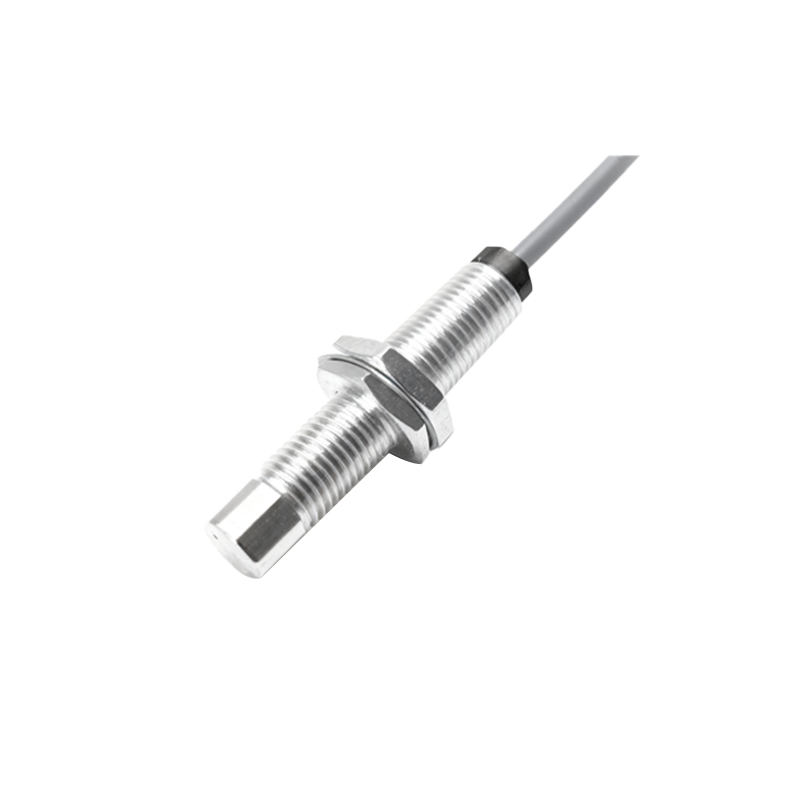
In real-world automation and machinery design, careful consideration is required when integrating sensors for aluminum detection. Always consult the sensor datasheet for the specific reduction factor for aluminum. Conduct real-world testing with the exact aluminum alloy, shape, and surface finish (anodized, painted, or bare) to be used in production, as these factors alter performance. Ensure proper mounting to avoid interference from surrounding metal structures. For critical applications, consider using a factor-of-safety on the nominal sensing distance. When high precision or longer ranges are needed, opting for a capacitive or ultrasonic sensor is often a more reliable and maintenance-free choice than pushing a standard inductive sensor to its limits.
Conclusion: A Matter of Application-Specific Engineering
In summary, standard inductive proximity sensors can detect aluminum, but with a substantially reduced and less predictable sensing range. The detection is possible due to aluminum's electrical conductivity but is hindered by its lack of magnetic permeability. For simple presence detection at very close ranges, a standard inductive sensor may suffice. However, for demanding industrial applications requiring consistent performance, longer ranges, or detection of various aluminum forms, specialized all-metal inductive sensors, capacitive sensors, or ultrasonic sensors are the recommended engineering solutions. The selection ultimately depends on a thorough analysis of the required sensing distance, target characteristics, environmental conditions, and cost constraints.