Introduction to Proximity Sensor Brands
In the industrial automation landscape, the choice of a proximity sensor brand is a critical decision that impacts system reliability, efficiency, and long-term operational costs. The market is populated by numerous manufacturers, each claiming superiority in specific areas such as sensing range, durability, environmental resistance, and technological innovation. For engineers and procurement specialists, navigating this landscape requires a clear understanding of brand philosophies, product portfolios, and proven performance in real-world applications. This guide aims to provide an objective analysis of leading brands, focusing on their core strengths and typical application scenarios without resorting to subjective rankings.
Key Factors for Evaluating Brands
Before delving into specific brands, it is essential to establish the evaluation criteria. Performance consistency under varying temperatures, voltage fluctuations, and electromagnetic interference is paramount. The physical construction and ingress protection (IP) rating determine suitability for harsh environments like washdown areas or foundries. Another crucial factor is the breadth of the product line, including inductive, capacitive, ultrasonic, and photoelectric sensors in various housing styles (cylindrical, rectangular, ring-shaped). Finally, global technical support, documentation clarity, and ease of integration with major PLC systems are significant differentiators between a good brand and a great one.
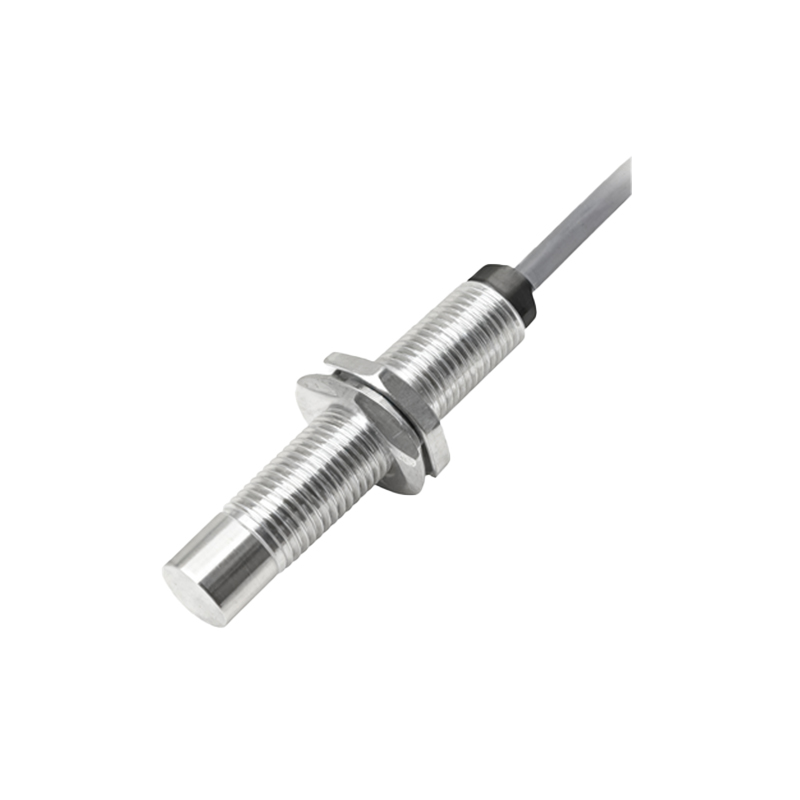
Established Industry Leaders: Siemens and Schneider Electric
Siemens stands as a titan in industrial automation, offering a comprehensive range of proximity sensors under its SIMATIC and SIRIUS portfolios. Siemens sensors are renowned for their exceptional precision, robust metal housings, and seamless integration within the Totally Integrated Automation (TIA) ecosystem. They excel in complex, large-scale manufacturing environments where communication via PROFINET or IO-Link is required. Similarly, Schneider Electric, with its Telemecanique Sensors brand, provides highly reliable and durable products. Their offerings are known for innovative features like embedded diagnostics and a strong focus on safety-rated sensors for machine guarding applications, making them a preferred choice for OEMs and end-users in various sectors.
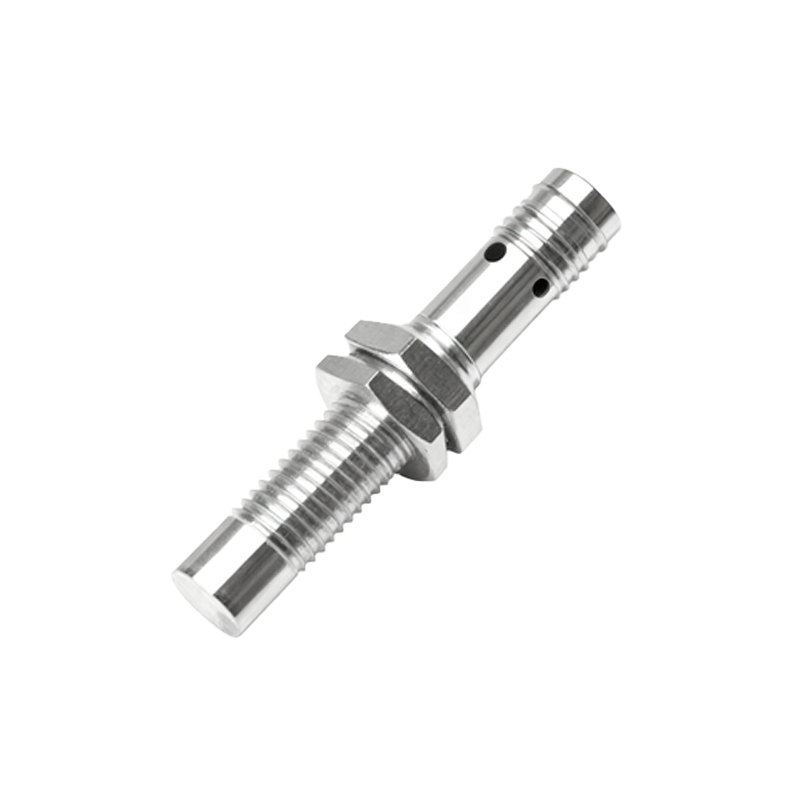
Specialists in Sensor Technology: Omron and Pepperl+Fuchs
For pure focus on sensing technology, brands like Omron and Pepperl+Fuchs are often at the forefront. Omron's E2E and E2A series are industry benchmarks for inductive proximity sensors, offering exceptional sensing distances and stability. Omron invests heavily in miniaturization and advanced functionalities, such as analog output and noise resistance. Pepperl+Fuchs, on the other hand, is synonymous with intrinsic safety and explosion-proof sensors for hazardous areas. Their expertise in condition monitoring and innovative concepts like the "WorldSensors" program for global availability and standardization is highly valued in process industries like oil & gas and chemical manufacturing.
High-Performance and Niche Players: Balluff and IFM Electronic
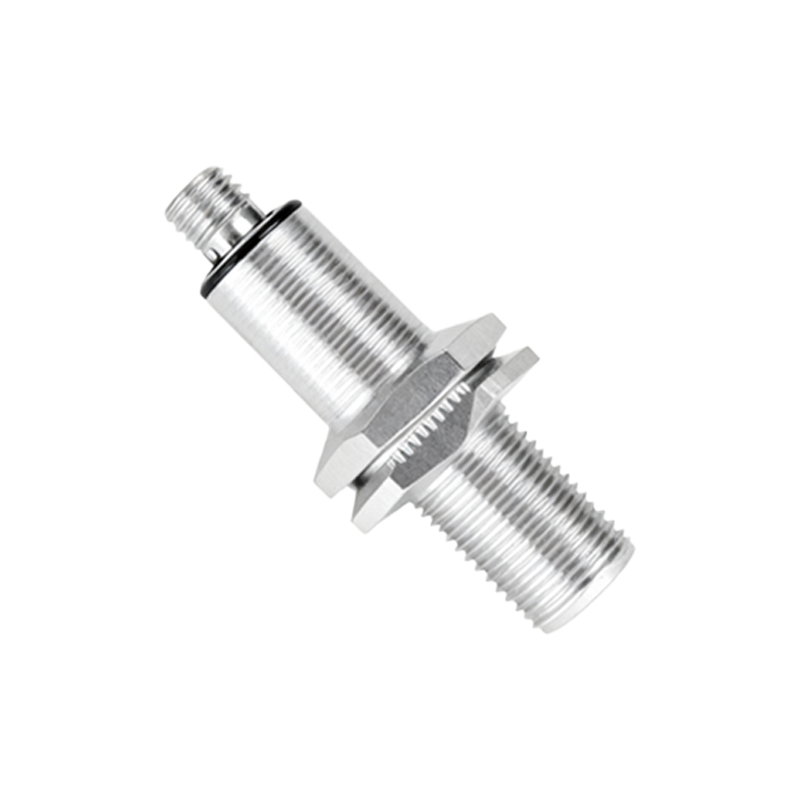
Balluff has carved a strong niche with its high-performance sensors and pioneering work in RFID and industrial identification systems. Their proximity sensors are known for superior quality, long service life, and innovative designs like the BALLUFF BIS M magnetostrictive linear position sensors. They are a go-to brand for demanding applications in automotive and packaging machinery. IFM Electronic is another powerhouse, celebrated for its user-friendly design, diagnostic capabilities via IO-Link, and robust construction. IFM's sensors often feature clear visual status indicators, simplifying maintenance and troubleshooting, which greatly appeals to plant maintenance teams.
Considerations for Cost-Effective Solutions
While the brands mentioned represent the premium segment, several manufacturers offer highly reliable and cost-effective solutions suitable for less demanding or high-volume applications. Brands like Autonics, Sick, and Carlo Gavazzi provide competitive products with solid performance. The key is to match the sensor's specifications precisely to the application's needs—avoiding over-specification can lead to significant savings without compromising on essential reliability for the task at hand.
Making the Final Brand Selection
There is no single "best" brand universally. The optimal choice depends on a concrete analysis of the application requirements: required sensing technology, environmental conditions, necessary certifications (e.g., ATEX, UL), communication protocol needs, and budget constraints. A best practice is to standardize on one or two primary brands within a facility to simplify spare parts inventory and technician training, while remaining flexible for specialized applications that may require a different vendor's unique solution. Ultimately, partnering with a knowledgeable distributor who understands both the product lines and your industry can be invaluable in making the most informed and effective selection.