Understanding the Core Principle
At its heart, a photoelectric sensor is a device that uses light to detect the presence, absence, or distance of an object. It operates on a simple yet powerful principle: it emits a beam of light (visible or infrared) from its transmitter, and a receiver detects changes in this light beam. The most common detection method is through-beam sensing. Here, the transmitter and receiver are separate units facing each other. When an object passes between them, it interrupts the light beam, triggering an output signal from the sensor. This method offers the longest sensing ranges and highest reliability, as it is less affected by object color, texture, or reflectivity. Another fundamental method is retro-reflective sensing, which uses a single housing containing both emitter and receiver, along with a special reflector. The sensor's light beam is bounced back by the reflector. An object is detected when it blocks this reflected beam. This setup simplifies wiring while still providing good range and performance, though it can be fooled by highly reflective objects.
Diverse Types and Sensing Modes
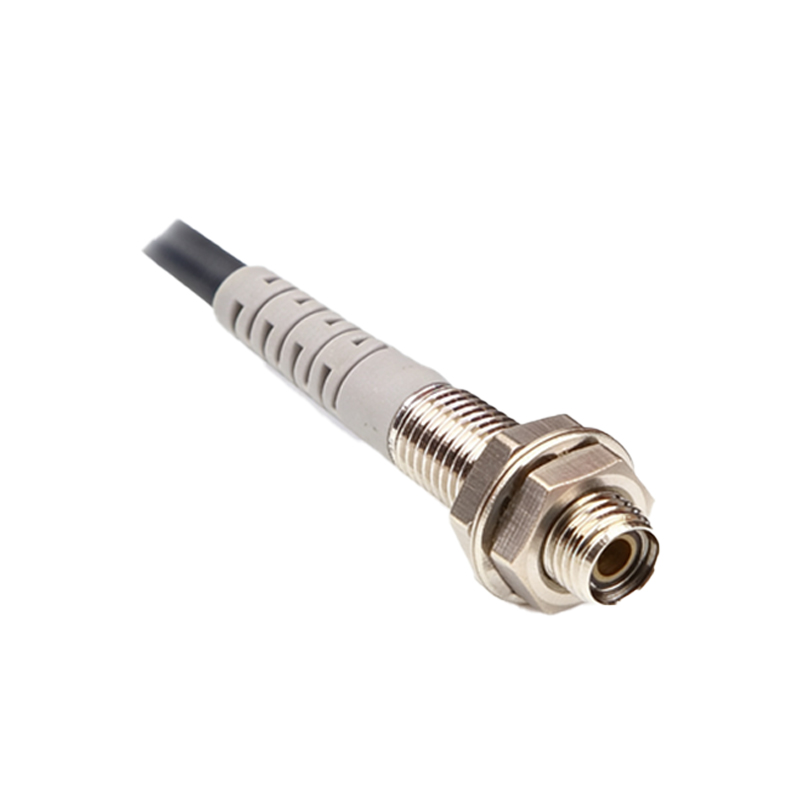
Beyond the through-beam and retro-reflective types, diffuse reflective (proximity) sensors represent a highly versatile category. In this mode, both the light emitter and receiver are housed in the same unit. The sensor detects an object when the emitted light reflects off the object's surface and returns to the receiver. The effective sensing distance depends heavily on the object's size, color, and surface properties; a white object reflects more light and can be detected from farther away than a black one. For precise detection or dealing with problematic backgrounds, background suppression sensors and foreground suppression sensors are employed. These advanced diffuse sensors use triangulation principles to detect objects only within a specific, defined distance range, ignoring anything beyond (background) or before (foreground) that set point. Finally, convergent beam sensors offer a very precise, fixed-focus sensing point, ideal for detecting small objects or ensuring consistent detection at an exact location.
Key Components and Light Sources
The performance of a photoelectric sensor is largely determined by its internal components. The light source is critical. Historically, incandescent bulbs were used, but modern sensors almost exclusively employ Light Emitting Diodes (LEDs). LEDs offer exceptional longevity, often exceeding 100,000 hours of operation, generate minimal heat, and allow for high switching frequencies. Common LED colors include infrared (for long range and immunity to ambient light), red (visible for easy alignment), and increasingly, blue or green LEDs for detecting specific colors or materials, such as red labels on a white background. The receiver is typically a phototransistor or photodiode that converts the received light intensity into an electrical signal. Sophisticated circuitry then processes this signal, applying techniques like modulated light pulses to distinguish the sensor's own light from ambient factory lighting, ensuring stable and reliable operation in harsh industrial environments.
Output Configurations and Wiring
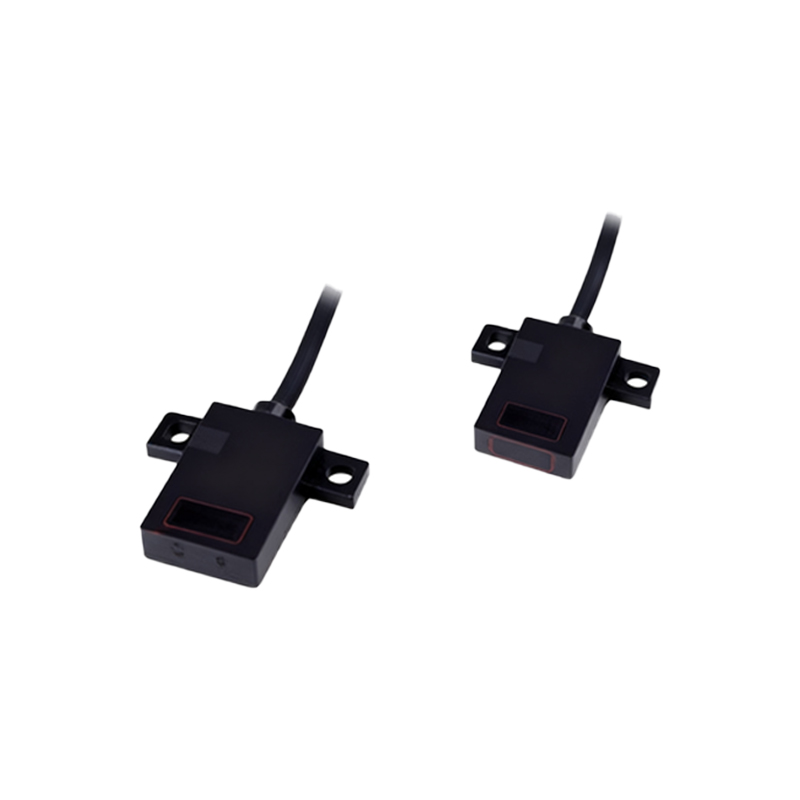
To interface with control systems like PLCs (Programmable Logic Controllers), photoelectric sensors provide various output configurations. The two primary types are digital (discrete) and analog outputs. Digital outputs are simple on/off switches. Common forms include NPN (sinking) and PNP (sourcing) transistor outputs, which are standard in DC sensors, and Relay outputs for handling AC loads directly. Analog outputs, such as 0-10V or 4-20mA signals, provide a continuous value proportional to the received light intensity or measured distance, enabling applications like transparency monitoring or precise positioning. Wiring follows standard conventions: brown wire for DC positive (+), blue wire for DC negative (-) or common, and black (or sometimes white) wire for the switched output signal. Understanding the datasheet and the difference between normally open (NO) and normally closed (NC) output logic is essential for proper integration into a control circuit.
Major Industrial Applications and Selection Criteria
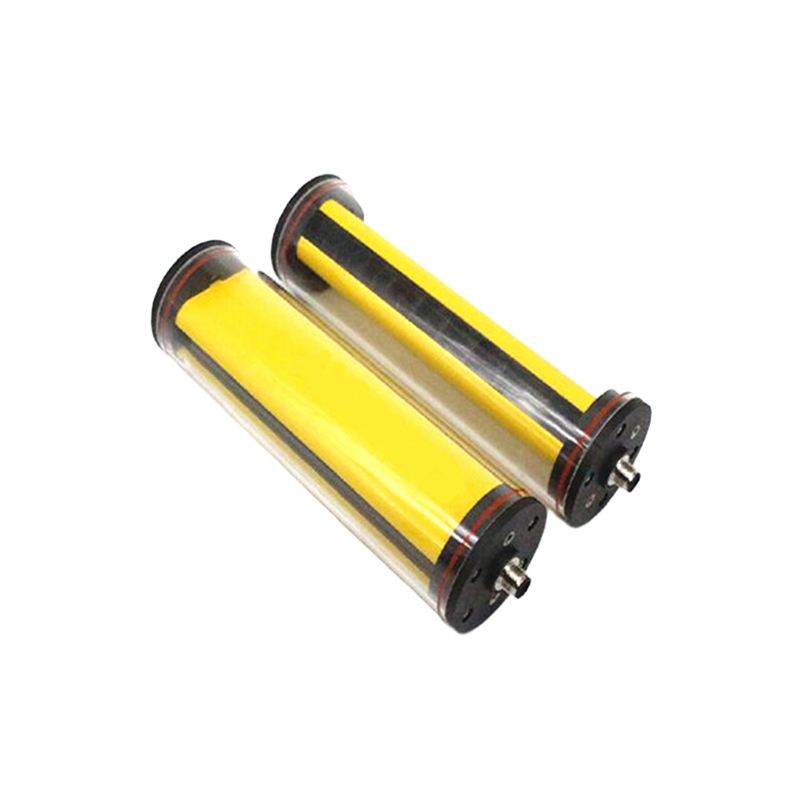
Photoelectric sensors are ubiquitous in automation. In packaging, they count bottles, detect labels, and verify cap presence. In material handling, they provide object detection for conveyor control, pallet positioning, and warehouse automation. They are essential in the automotive industry for robot guidance and part verification. In food and beverage, they ensure proper fill levels and check for container integrity. When selecting a sensor, engineers must consider several key parameters: Sensing Range, which must accommodate the application's physical layout; Response Time, critical for high-speed production lines; Environmental Factors like temperature, humidity, and potential exposure to dust, water (IP rating), or chemicals; and finally, the Object Characteristics including color, material, size, and surface finish, which directly influence the choice of sensing mode (e.g., diffuse vs. through-beam).
Advantages Over Other Sensor Technologies
Photoelectric sensors hold distinct advantages that make them the preferred choice for many non-contact detection tasks. Compared to inductive proximity sensors, which only detect metals, photoelectrics can detect virtually any material—plastic, glass, wood, liquid, or metal. Versus capacitive sensors, which detect materials based on dielectric constant, photoelectrics offer faster response times and are less sensitive to environmental changes like humidity. Their primary strength lies in their ability to sense over long distances; a through-beam sensor can reliably detect objects several meters away, whereas other technologies are limited to much shorter ranges. Furthermore, the non-contact nature means no physical wear on the sensor or the target, leading to minimal maintenance and high reliability over extended operational lifetimes, a crucial factor in reducing machine downtime.