Introduction to Micro Photoelectric Sensors
Micro photoelectric sensors are pivotal components in modern industrial automation, offering precise detection capabilities in compact form factors. These devices utilize light beams to detect the presence, absence, or distance of objects, making them indispensable in applications ranging from assembly lines to packaging machinery. Their miniaturized design allows for integration into space-constrained environments without compromising performance. As industries increasingly prioritize efficiency and accuracy, the demand for high-quality micro photoelectric sensors has surged, driving manufacturers to innovate in terms of reliability, sensitivity, and durability. This article explores leading manufacturers that excel in producing these critical sensors, highlighting their technological advancements and industry contributions.
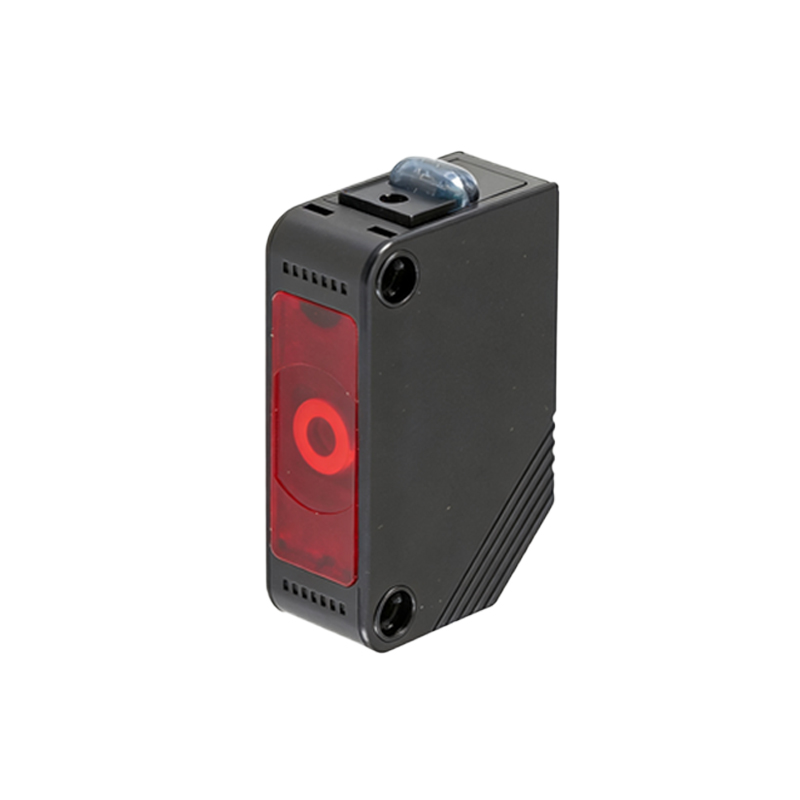
Key Features of High-Quality Sensors
Superior micro photoelectric sensors exhibit several essential characteristics that set them apart in the market. First, they offer high precision and repeatability, ensuring consistent performance even in challenging conditions such as varying ambient light or dust. Advanced models incorporate modulated LED light sources to minimize interference, enhancing signal stability. Additionally, robust housing materials like stainless steel or IP-rated plastics provide resistance to environmental factors like moisture, vibration, and temperature fluctuations. Many top-tier sensors also feature adjustable sensing ranges and easy installation mechanisms, reducing downtime during maintenance. Energy efficiency is another critical aspect, with low-power designs contributing to sustainable operations in automated systems.
Leading Manufacturer: Omron Corporation
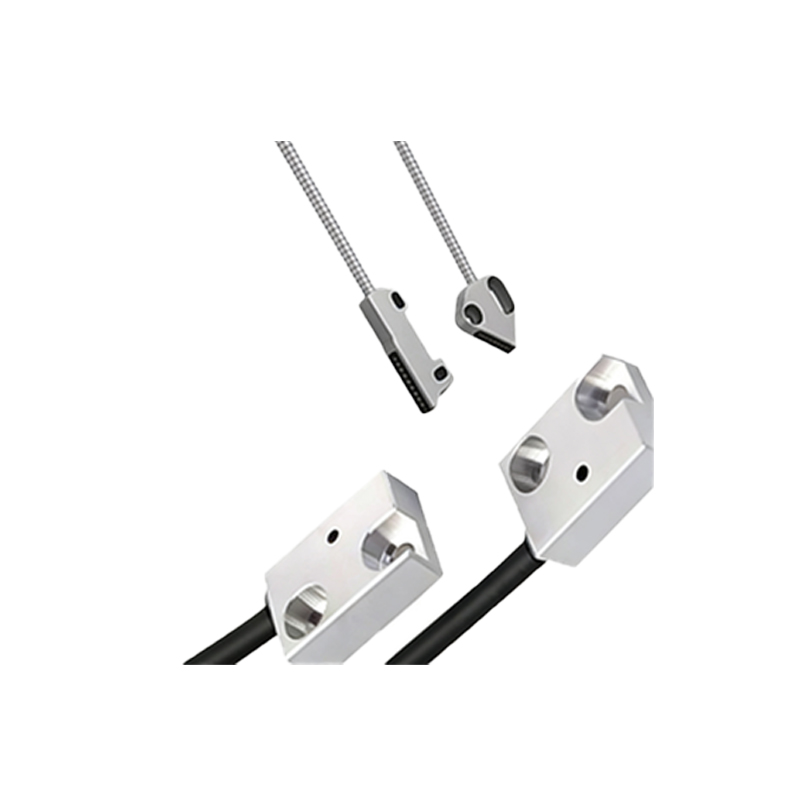
Omron Corporation stands as a global leader in the production of micro photoelectric sensors, renowned for its innovative solutions and extensive product portfolio. Based in Japan, Omron has decades of experience in sensor technology, offering devices that cater to diverse industrial needs. Their E3Z series, for example, includes ultra-compact sensors with advanced features like background suppression and precise beam alignment. Omron's commitment to research and development ensures continuous improvements in detection accuracy and longevity. The company also provides comprehensive technical support and customization options, making it a preferred choice for engineers seeking reliable automation components. With a strong focus on quality control, Omron sensors are widely used in automotive, electronics, and pharmaceutical industries.
Innovative Solutions from SICK AG
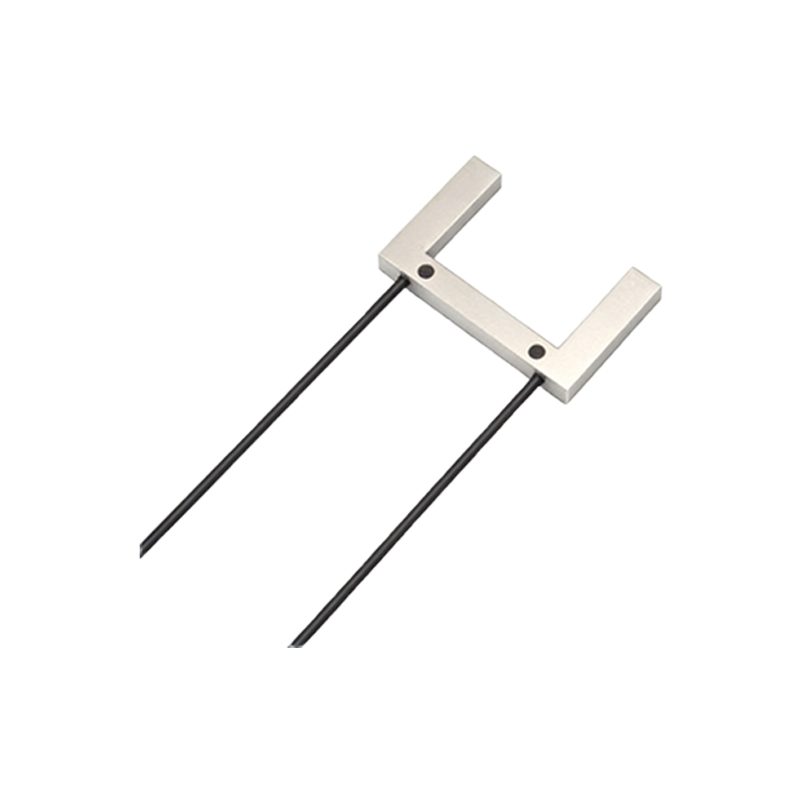
SICK AG, a German-based manufacturer, is another key player in the micro photoelectric sensor market, known for its cutting-edge engineering and adaptability. SICK's product lines, such as the WTT series, emphasize versatility with modular designs that allow for easy configuration in various applications. These sensors often incorporate intelligent functions like IO-Link communication, enabling seamless integration into Industry 4.0 networks for real-time data monitoring. SICK prioritizes durability, with sensors tested to withstand harsh industrial environments, including extreme temperatures and mechanical stress. The company's global presence and dedicated customer service further enhance its reputation as a provider of high-performance sensing solutions for logistics, robotics, and manufacturing sectors.
Panasonic Industry's Advanced Offerings
Panasonic Industry, a division of the Japanese conglomerate Panasonic, excels in delivering micro photoelectric sensors that balance compactness with high functionality. Their offerings include the EX-LV series, which features ultra-small housings ideal for tight spaces while maintaining long sensing distances. Panasonic integrates advanced optical technologies to improve detection of minute objects or transparent materials, addressing common challenges in automation. Energy-saving modes and quick-response times are hallmarks of their designs, contributing to efficient system operations. With a focus on sustainability, Panasonic also emphasizes eco-friendly manufacturing processes. Engineers value Panasonic sensors for their reliability in applications like semiconductor production and food processing, where hygiene and precision are paramount.
Emerging Trends and Future Outlook
The micro photoelectric sensor industry is evolving rapidly, driven by trends such as miniaturization, smart connectivity, and enhanced sensitivity. Manufacturers are increasingly incorporating IoT capabilities, allowing sensors to transmit diagnostic data for predictive maintenance and reduced downtime. Innovations in laser-based detection and multi-functional sensors are expanding application possibilities in fields like medical devices and renewable energy. As automation becomes more pervasive, demand for cost-effective yet high-quality sensors is expected to grow, prompting manufacturers to invest in R&D for next-generation products. Collaboration with end-users to develop tailored solutions will likely shape the future landscape, ensuring these sensors remain vital to industrial advancement.
Conclusion and Selection Tips
Choosing the right micro photoelectric sensor manufacturer depends on specific application requirements, including environmental conditions, detection accuracy, and budget constraints. It is advisable to evaluate factors such as product certifications, warranty terms, and technical support availability. Leading companies like Omron, SICK, and Panasonic offer proven track records, but exploring niche providers can also yield specialized solutions. Ultimately, investing in quality sensors from reputable manufacturers enhances system reliability and operational efficiency, supporting long-term success in automation projects. By staying informed about technological advancements, engineers can make informed decisions that align with industry standards and future needs.