Introduction to the GX-100MKB Proximity Sensor
The GX-100MKB represents a significant advancement in inductive proximity sensing technology, engineered for reliability and precision in demanding industrial environments. As a non-contact detection device, it operates on the principle of electromagnetic induction, generating an oscillating electromagnetic field from its sensing face. When a metallic target enters this field, eddy currents are induced, causing a change in the oscillation amplitude. This change is detected by the sensor's internal circuitry, which subsequently triggers a solid-state output signal. The GX-100MKB is specifically designed for applications requiring consistent performance under conditions of vibration, moisture, and temperature fluctuations, making it a cornerstone component in modern automated systems.
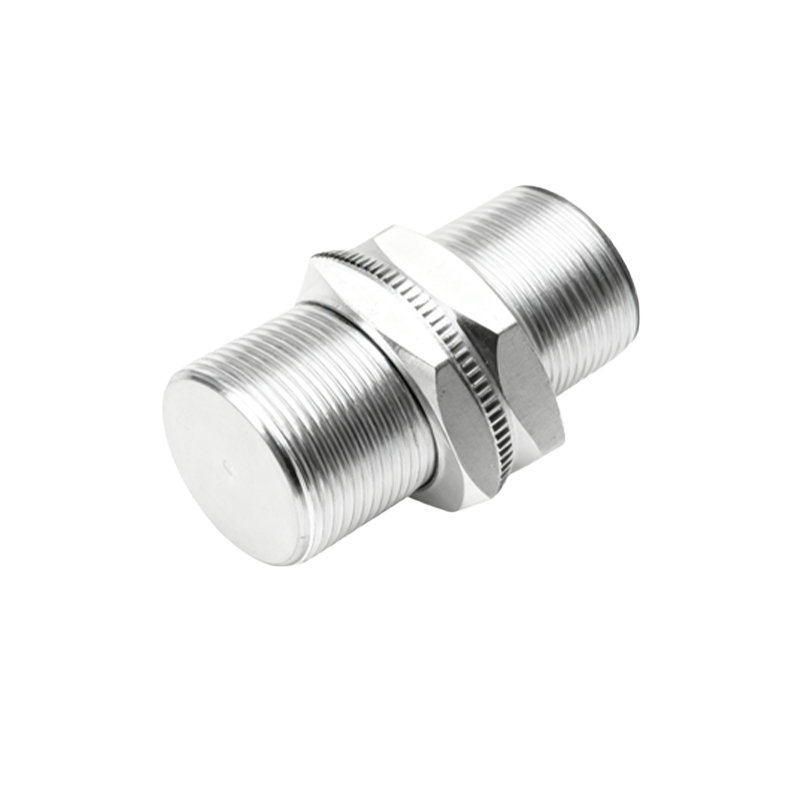
Key Technical Specifications and Design Features
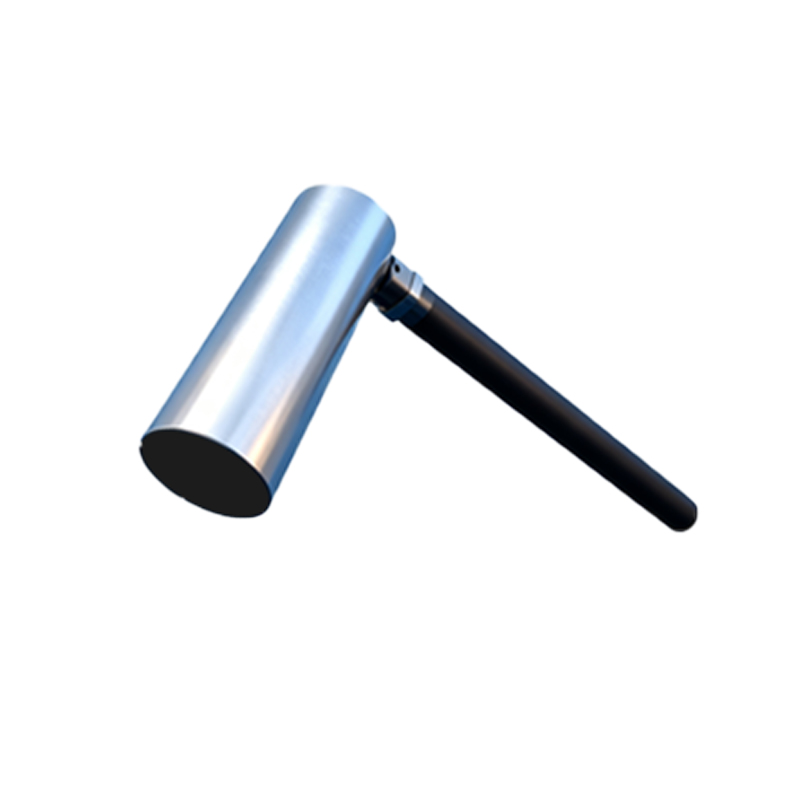
The GX-100MKB is characterized by its robust M18 threaded cylindrical housing, typically constructed from nickel-plated brass or stainless steel, ensuring high resistance to corrosion and mechanical stress. Its sensing distance is rated at 8mm, with a standard tolerance to guarantee repeatability. This sensor commonly features a 3-wire DC configuration (PNP or NPN output) with operating voltages ranging from 10 to 30 VDC. A critical specification is its switching frequency, which can reach up to 1 kHz, allowing for the detection of high-speed objects on production lines. Furthermore, it boasts an IP67 protection rating, signifying complete protection against dust ingress and the ability to withstand temporary immersion in water, which is vital for washdown areas in food and beverage or pharmaceutical manufacturing.
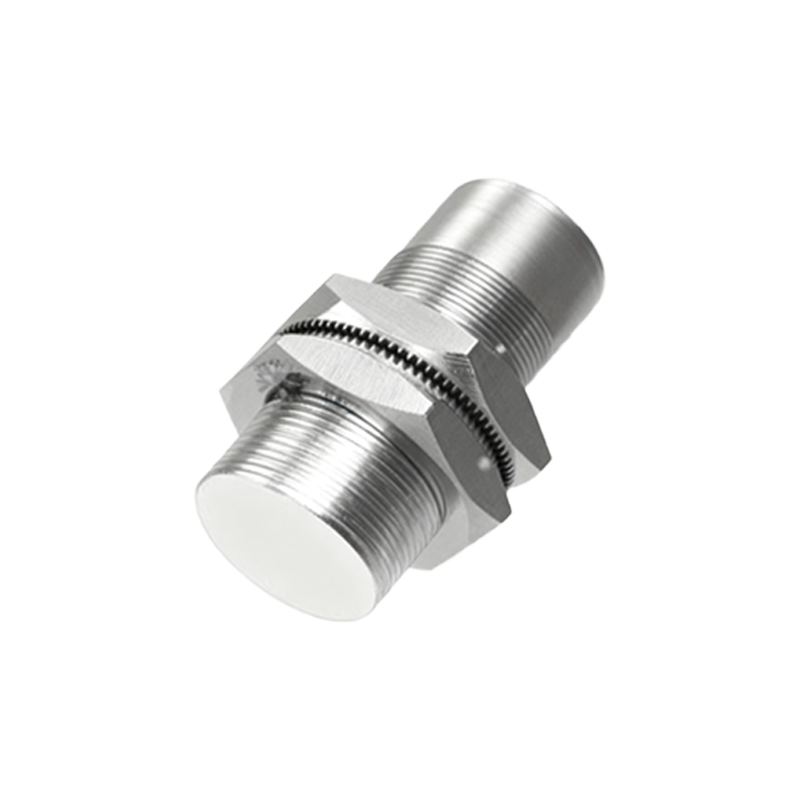
Output Configuration and Wiring Considerations
Understanding the output type is paramount for seamless integration. The GX-100MKB is available in both PNP (sourcing) and NPN (sinking) versions. In a PNP configuration, the output wire switches to a positive voltage when a target is detected, sourcing current to the load. Conversely, the NPN version switches the output to ground, sinking current from the load. The correct choice depends on the control system's input module requirements, such as those of a PLC (Programmable Logic Controller). Proper wiring, including the use of shielded cables for environments with significant electromagnetic interference (EMI), is essential to prevent false triggering and ensure signal integrity over long runs.
Application Scenarios in Industrial Automation
The versatility of the GX-100MKB makes it suitable for a wide array of applications. A primary use is in position sensing on conveyor systems, where it detects the presence or absence of metal parts, pallets, or machine components. It is also extensively used for end-of-travel detection on pneumatic cylinders and rotary actuators, providing feedback for cycle control. In machine tooling, it serves as a safety interlock or a tool breakage detection device. Its robust design allows it to function reliably in harsh settings like metal stamping, welding cells, and automotive assembly lines, where oil, coolant, and metal shavings are prevalent.
Installation, Alignment, and Maintenance Best Practices
Correct installation is critical for optimal performance. The sensor must be mounted securely to minimize vibration effects. The sensing face should be positioned parallel to the target surface, maintaining the specified nominal sensing distance while accounting for any reduction factors for different metals (e.g., stainless steel may require a reduced effective sensing range). Adequate clearance around the sensor body must be maintained to prevent interference from surrounding metal structures (the "flush-mountable" feature mitigates this in some models). Maintenance is generally minimal due to the solid-state design, but periodic checks for physical damage, buildup of contaminants on the sensing face, and verification of output signals are recommended as part of a preventive maintenance routine.
Advantages Over Alternative Sensing Technologies
Compared to mechanical limit switches, the GX-100MKB offers superior longevity with no moving parts to wear out, faster response times, and the ability to operate without physical contact, thus eliminating target wear. When contrasted with photoelectric sensors, inductive proximity sensors like the GX-100MKB are immune to common ambient light interference and perform consistently in environments with dust, smoke, or opaque fluids that would obstruct a light beam. Their exclusive detection of metallic objects also makes them ideal for applications where discrimination between metal and non-metal is required, adding a layer of process reliability.
Troubleshooting Common Operational Issues
Even with a reliable sensor like the GX-100MKB, issues may arise. Failure to detect a target can result from incorrect power supply voltage, wiring errors, an unsuitable target material (e.g., aluminum vs. steel), or the target being outside the effective sensing range. Intermittent