Introduction to Proximity Sensing Technology
Proximity sensors have become indispensable components in the modern technological landscape, enabling devices to detect the presence or absence of nearby objects without physical contact. The 30Pro Proximity Sensor represents a significant advancement in this field, offering enhanced precision, reliability, and integration capabilities. Utilizing infrared (IR) technology, it operates by emitting an infrared light beam and measuring the reflection from a target object. This non-contact detection method is crucial for applications requiring hygiene, durability, or where physical switches are impractical. The core principle hinges on the modulation of IR light and the sensitivity of the photodetector, allowing the 30Pro to distinguish between ambient light and the signal reflected from an object, ensuring accurate detection even in challenging environmental conditions.
Core Technical Specifications of the 30Pro
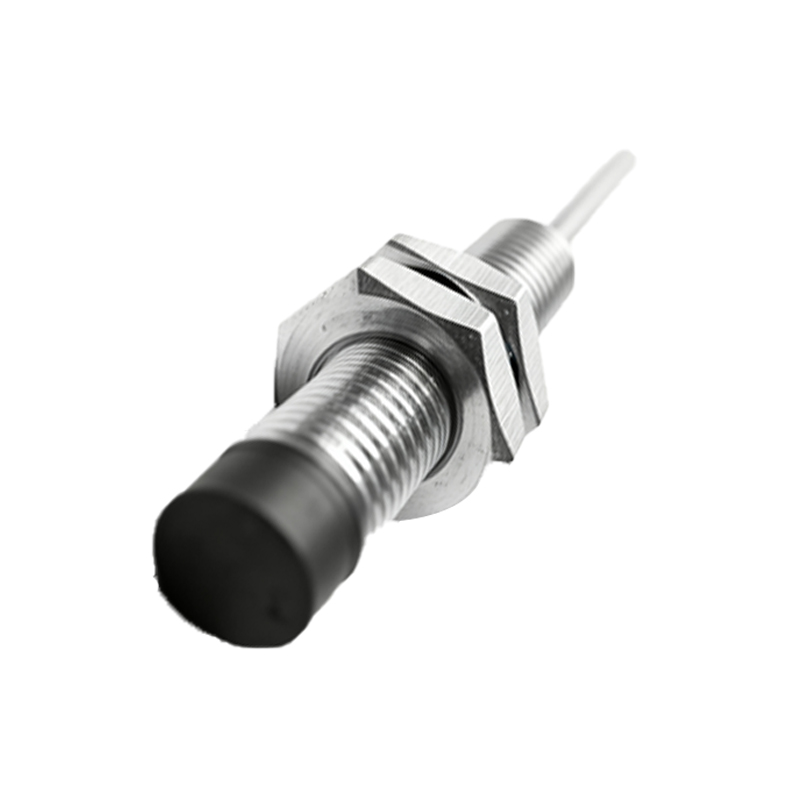
The 30Pro sensor is engineered with a focus on performance metrics that cater to demanding industrial and consumer applications. It typically features a detection range adjustable from a few millimeters up to several centimeters, with a high-resolution analog or digital output that provides precise distance information, not just binary presence detection. Its response time is exceptionally fast, often in the microsecond range, making it suitable for high-speed automation processes. The sensor incorporates advanced ambient light rejection (ALR) circuitry, which minimizes false triggers from sunlight or artificial lighting. Furthermore, it is designed to operate across a wide temperature range and is often housed in a robust, compact package with an IP67 or higher rating for dust and water resistance, ensuring longevity in harsh operational environments.
Key Advantages and Performance Features
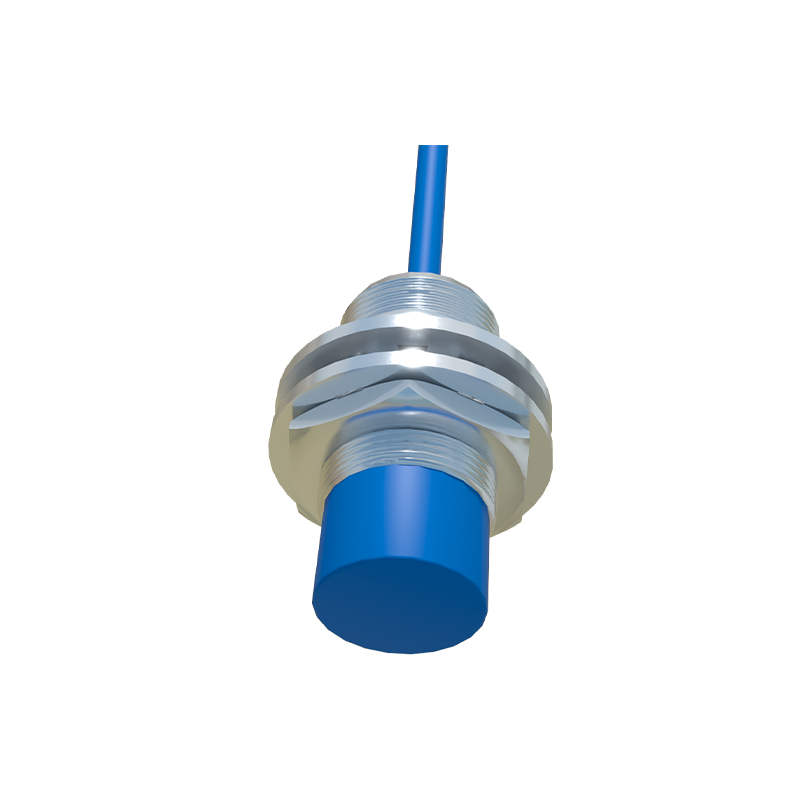
Several distinguishing features set the 30Pro apart from conventional proximity sensors. Its superior signal-to-noise ratio (SNR) ensures stable operation even when detecting objects with low reflectivity or in noisy electrical environments. The sensor often includes programmable parameters, such as sensitivity thresholds and output delay timers, allowing for fine-tuning to specific application needs without hardware modifications. Another critical advantage is its low power consumption, which is vital for battery-operated portable devices. The 30Pro also demonstrates excellent repeatability and long-term stability, meaning its performance remains consistent over millions of operational cycles and throughout its lifespan, reducing maintenance needs and total cost of ownership.
Primary Application Domains
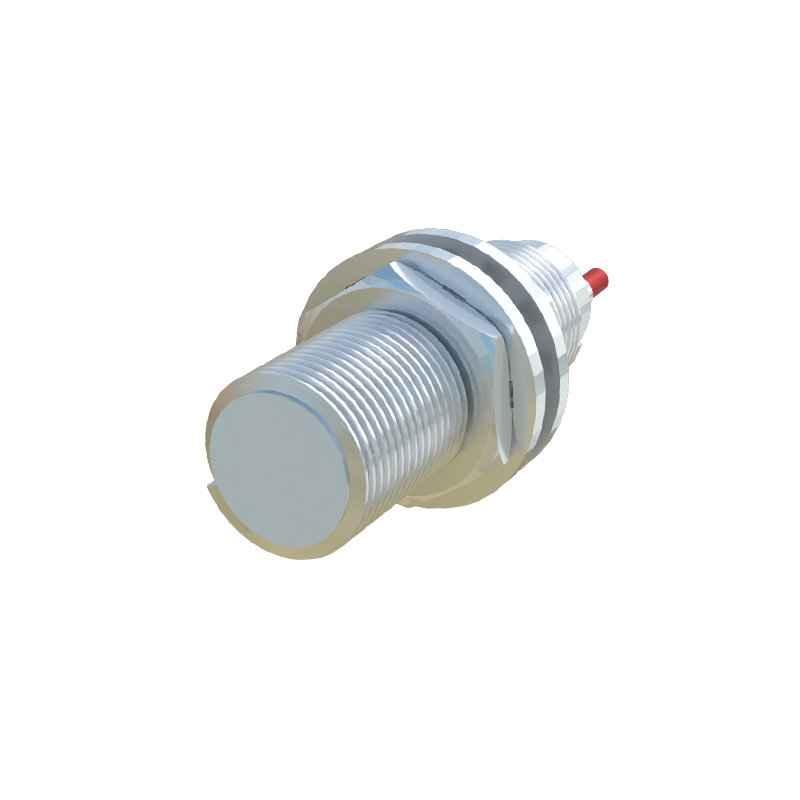
The versatility of the 30Pro Proximity Sensor enables its deployment across a diverse array of industries. In consumer electronics, it is ubiquitous in smartphones and tablets for screen blanking during calls, conserving power and preventing accidental touch inputs. Within industrial automation, it plays a pivotal role in object detection on conveyor belts, robotic arm positioning, and machine safety interlocks. The automotive sector utilizes it for touchless trunk opening, occupancy sensing, and gesture control interfaces. Additionally, it finds applications in medical devices for fluid level detection, in HVAC systems for air flow monitoring, and in smart appliances for touchless control, enhancing user convenience and hygiene.
Integration and Implementation Considerations
Successfully integrating the 30Pro sensor into a system requires careful attention to several engineering factors. Electrical interfacing is straightforward, typically requiring a stable power supply, proper grounding, and connection to a microcontroller's ADC or digital I/O pin. However, optical design is paramount; the sensor's lens must be kept clean, and the mounting position should avoid direct exposure to contaminants or interfering light sources. Calibration during installation is often necessary to account for the specific reflectivity of the target object. Designers must also consider the sensor's field of view (FOV) to ensure it detects the intended target without sensing background objects. Proper shielding and filtering in the accompanying circuitry are recommended to mitigate electromagnetic interference (EMI).
Future Trends and Developments
The evolution of proximity sensing technology, as exemplified by the 30Pro, is moving towards greater miniaturization, intelligence, and multi-functionality. Future iterations are expected to integrate more on-chip processing, enabling features like advanced gesture recognition and environmental compensation without external processors. The convergence of proximity sensing with other sensor modalities, such as ambient light sensors (ALS) and time-of-flight (ToF) cameras, will create more context-aware systems. Furthermore, developments in materials science may lead to sensors that are sensitive to a broader spectrum or are flexible for novel form factors. The drive towards the Internet of Things (IoT) will also emphasize lower power consumption and robust wireless connectivity for sensor data reporting.
Conclusion and Selection Guidance
The 30Pro Proximity Sensor stands as a robust and highly capable solution for non-contact detection needs. Its blend of accuracy, speed, and environmental robustness makes it a preferred choice for engineers designing next-generation products. When selecting a sensor for a project, key criteria should include the required detection range and resolution,