Understanding Photoelectric Sensor Principles
Photoelectric sensors operate by emitting a light beam—typically infrared, visible red, or laser—toward a target. A receiver then detects changes in the light pattern, such as presence, absence, or intensity variations. These sensors are categorized into three primary modes: through-beam, retro-reflective, and diffuse (proximity) sensing. Each mode interacts differently with reflective surfaces, which is a critical consideration in industrial automation and control systems. The core challenge lies not in the sensor's inherent design but in how its emitted light interacts with the target environment, especially when highly reflective materials are present.
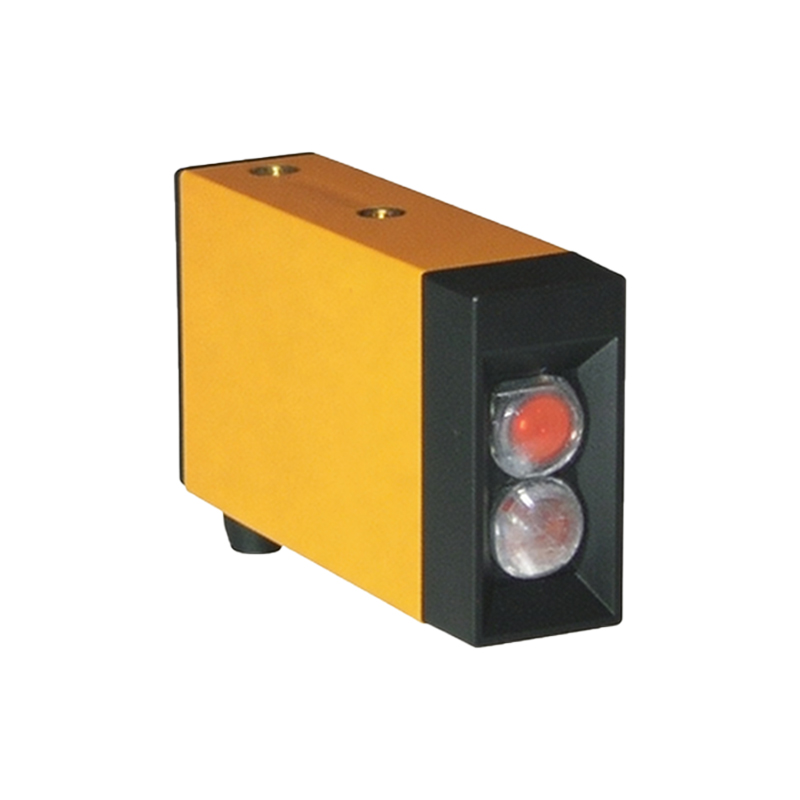
The Retro-Reflective Mode and Its Reliance on Reflectors
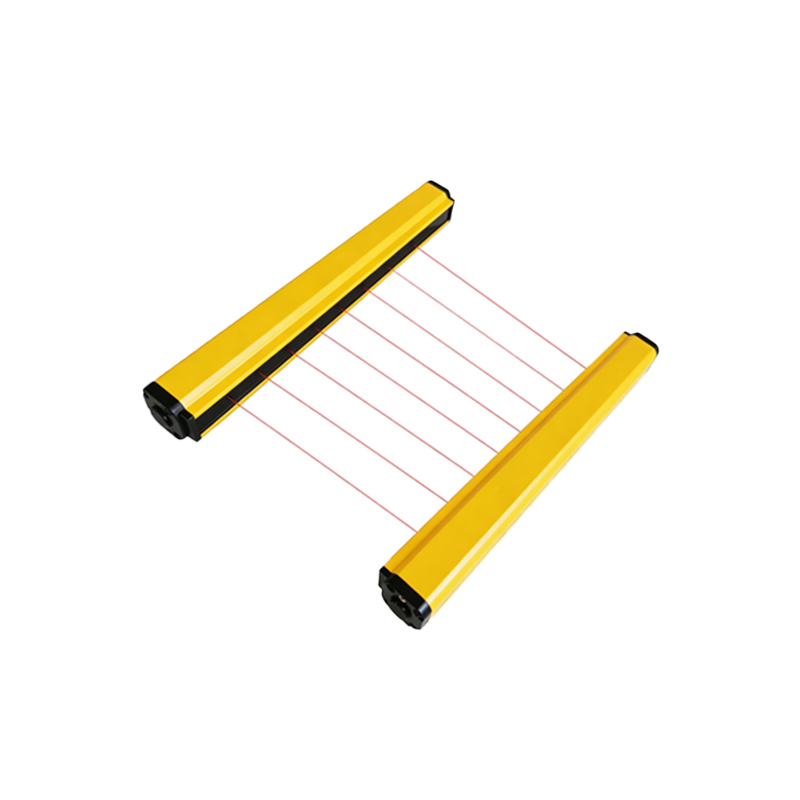
In retro-reflective photoelectric sensors, the emitter and receiver are housed in the same unit. They rely on a specialized retro-reflector, often a prismatic or corner-cube reflector, to bounce the light beam directly back to the receiver. This design is efficient for long-range detection. However, a common misconception is that these sensors are "immune" to other reflective surfaces. In reality, shiny objects like polished metal, glass, or even glossy packaging within the sensing field can inadvertently reflect sufficient light back to the receiver, causing a false "object present" signal. This phenomenon is known as false triggering or optical crosstalk, which can disrupt automated processes.
Challenges Posed by Highly Reflective Targets
When the target object itself is highly reflective, such as a stainless-steel part or a mirrored surface, it poses a significant challenge for diffuse mode sensors. Diffuse sensors detect objects by measuring the light scattered back from the target's surface. A highly reflective target can act like a mirror, specularly reflecting the beam away rather than scattering it diffusely. If the angle aligns unfavorably, the receiver may not capture enough returned light, leading to a false "object absent" signal. Conversely, if the sensor and target alignment causes a direct reflection back to the receiver, it might falsely indicate presence. This dual risk makes application setup and sensor selection crucial.
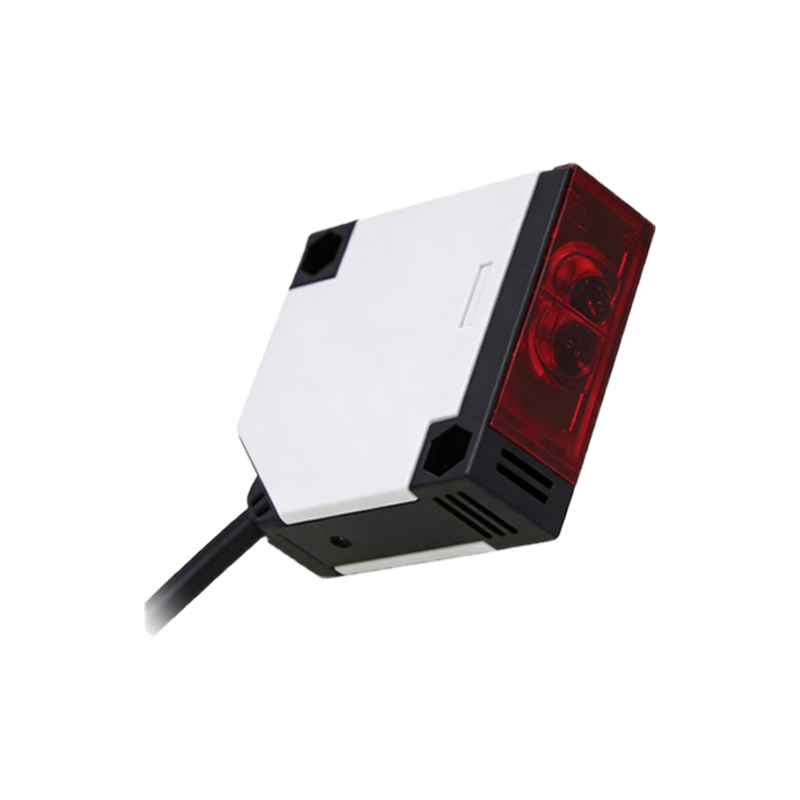
Advanced Technologies to Mitigate Reflection Issues
Modern photoelectric sensors incorporate sophisticated technologies to combat problems caused by unwanted reflections. Polarized filters are widely used in retro-reflective sensors; the emitter sends out polarized light, and the receiver only accepts light that has been depolarized by a genuine retro-reflector. This effectively ignores light reflected from ordinary shiny surfaces. For diffuse sensing, background suppression techniques—using triangulation or time-of-flight principles—allow the sensor to ignore reflections from surfaces beyond a set distance. Additionally, sensors with adjustable sensitivity, teach-in functions, and narrow, precise laser beams provide greater control in environments with reflective interference.
Best Practices for Reliable Operation
Ensuring reliable sensor operation around reflective surfaces requires careful planning. First, select the correct sensing mode: through-beam sensors are generally least affected as they rely on beam interruption, not reflection. For retro-reflective applications, always use the specified retro-reflector and consider polarized models. When dealing with shiny targets in diffuse mode, experiment with mounting angles to avoid direct specular reflection into the receiver. Utilizing sensors with background suppression can differentiate the target from a reflective background. Finally, thorough testing under actual operating conditions, including different lighting and target orientations, is essential to validate the installation and prevent operational failures.
Conclusion: Not Immune, but Manageable
Photoelectric sensors are not inherently "afraid" of or immune to reflective mirrors and surfaces. Instead, their performance is highly dependent on the specific sensing technology, application setup, and environmental factors. Unwanted reflections can cause false readings, but with a proper understanding of sensor principles and the deployment of advanced features like polarization and background suppression, these challenges are entirely manageable. Engineers and system integrators must assess the reflectivity of both targets and backgrounds during the design phase to choose and configure the optimal photoelectric sensor, ensuring robust and fault-free automation system performance.