Introduction to Square Proximity Sensors
In the diverse landscape of industrial automation, proximity sensors are fundamental components for non-contact detection. Among the various form factors available, the square proximity sensor has carved out a significant niche. Unlike their cylindrical counterparts, these sensors feature a rectangular or square housing. This design is not merely aesthetic; it offers distinct mechanical and functional advantages tailored for specific installation environments and detection challenges. From packaging machinery to material handling systems, square sensors provide reliable performance where space constraints or mounting surfaces are unconventional.
Key Advantages of the Square Design
The primary benefit of a square proximity sensor lies in its mounting stability. The flat sides of the housing allow for secure and flush mounting against machine frames, brackets, or flat surfaces, minimizing vibration and ensuring consistent alignment. This design often incorporates multiple mounting holes or slots, providing flexibility in installation orientation. Furthermore, the internal electronics and sensing coil can be optimized within the rectangular space, potentially allowing for a larger sensing face or the integration of additional features like built-in amplifiers or diagnostic LEDs on a flat surface. The robust housing also typically offers superior resistance to physical impacts from the side.
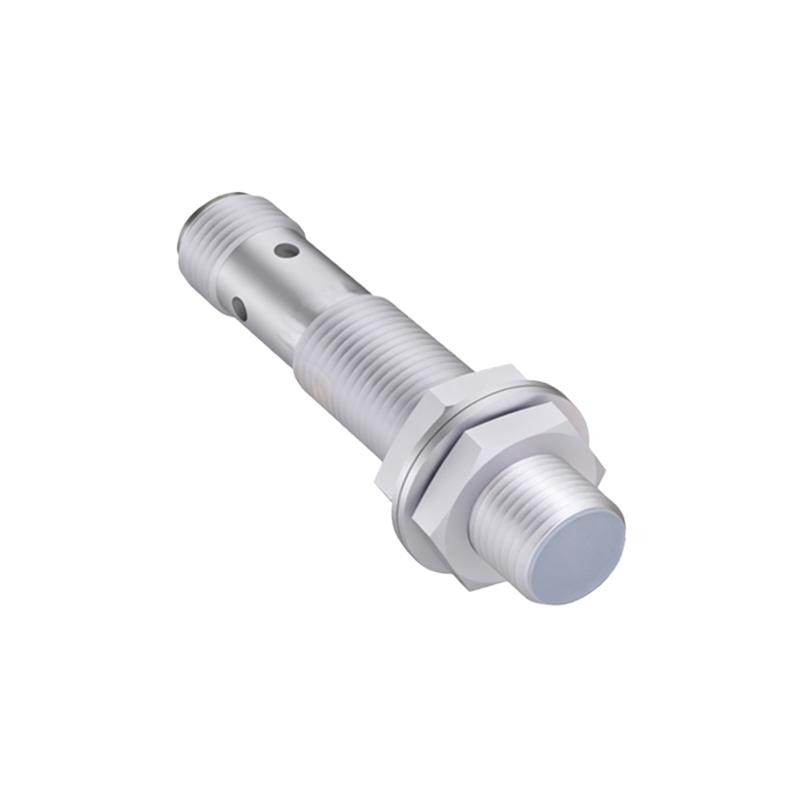
Performance and Sensing Characteristics
In terms of core performance, square proximity sensors operate on the same principles as other inductive or capacitive sensors. They generate an electromagnetic or electrostatic field and detect changes caused by a target object. The sensing range is determined by the size of the coil and the electronics, not solely the shape. However, the square form factor can influence the shape of the detection field. It often provides a more uniform detection field across the face compared to some cylindrical sensors, which can be beneficial for detecting objects with flat surfaces. The performance in harsh environments—resistance to chemicals, water (often rated IP67 or higher), and metal chips—is a function of the housing material and sealing, which square designs typically excel at due to their simpler sealing geometries on flat surfaces.
Comparison with Cylindrical Sensors
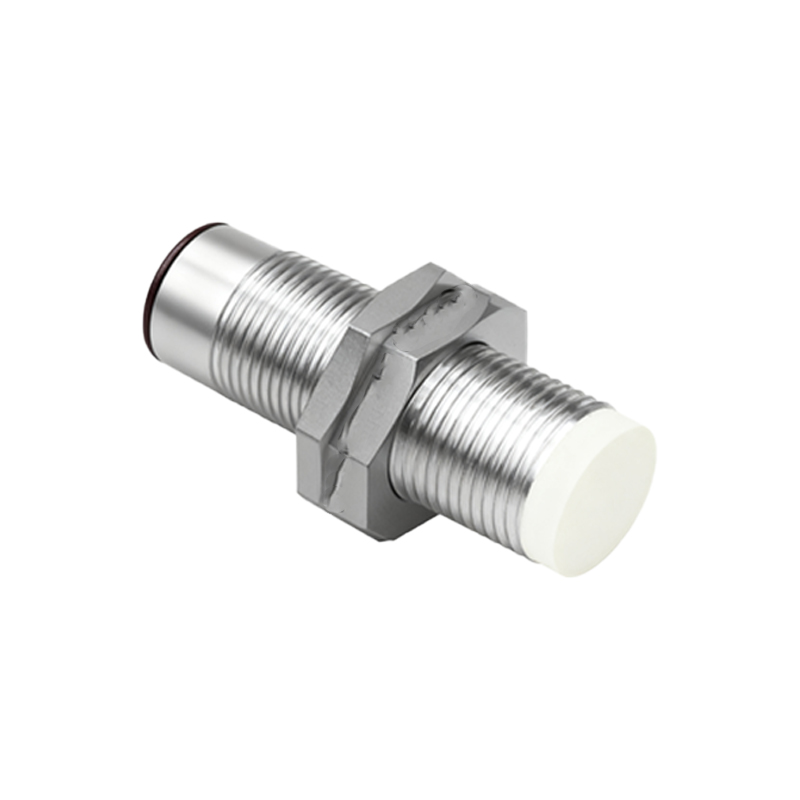
Choosing between square and cylindrical sensors depends heavily on the application. Cylindrical sensors are ideal for through-hole mounting and offer excellent all-around sealing in round holes. They are often the default choice for standard applications. Square sensors, however, shine in scenarios where mounting space is tight on a flat plane or where a low-profile installation is required. They are easier to mount on the outer surface of a machine without needing a drilled hole. For side-sensing applications, the flat face of a square sensor can be positioned more precisely against the target path. The decision matrix should include factors like available mounting space, required sensing direction, environmental exposure, and ease of installation.
Typical Industrial Applications
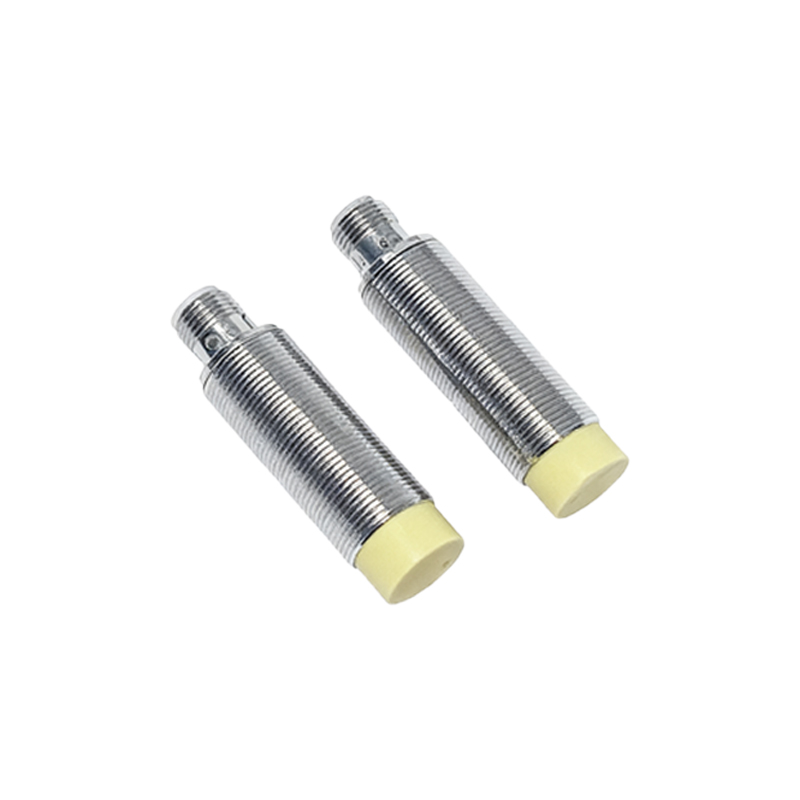
Square proximity sensors are ubiquitous in modern factories. Common applications include position detection on linear actuators and slides, where they mount neatly on aluminum extrusions. They are extensively used in conveyor systems to detect the presence of boxes, pallets, or products, often mounted on the conveyor's side frame. In robotic cells, their flat design allows for discreet integration into grippers or tooling. Automated storage and retrieval systems (AS/RS) utilize them for cart positioning and pallet presence verification. Their robust build makes them suitable for heavy machinery, such as stamping presses or CNC machine tools, for end-of-travel detection.
Potential Limitations and Considerations
While highly advantageous, square sensors are not a universal solution. One consideration is the "dead zone" around the corners; the effective sensing field is primarily directly in front of the face, and targets approaching from the very corner might not be detected reliably. In environments with heavy accumulation of dust or metallic particles, the flat top surface can collect debris, though this is mitigated by proper orientation and IP ratings. Their cost can sometimes be slightly higher than equivalent cylindrical models due to the housing manufacturing process. Engineers must also ensure that the selected model's sensing range and output type (PNP/NPN, NO/NC) match the control system requirements.
Selection and Installation Best Practices
Selecting the right square proximity sensor involves several steps. First, identify the target material (ferrous metal, non-ferrous metal, or all materials for capacitive types). Second, determine the required sensing distance, typically choosing a sensor with a nominal range 10-20% greater than the application needs to account for tolerances. Third, choose the correct electrical output and connection type (pre-wired cable or quick-disconnect). During installation, ensure the sensing face is free of obstructions and properly aligned. Maintain the recommended lateral and axial distance from other metal objects to prevent false triggering. Always follow the manufacturer's specifications for voltage supply and load current to ensure longevity and reliability.
Conclusion and Final Verdict
So