Understanding the Coin Return Mechanism
At the heart of a reliable vending machine or arcade game coin mechanism lies the coin return system. This system is responsible for accurately identifying invalid or unwanted coins and returning them to the user. The coin return motor is the actuator that physically ejects the coin from the mechanism. However, for this process to be precise and reliable, the motor must be intelligently controlled. This is where the photoelectric sensor plays a critical role. It acts as the "eyes" of the system, providing essential feedback to the machine's control board about the status of the coin path, ensuring that the return operation is both successful and secure.
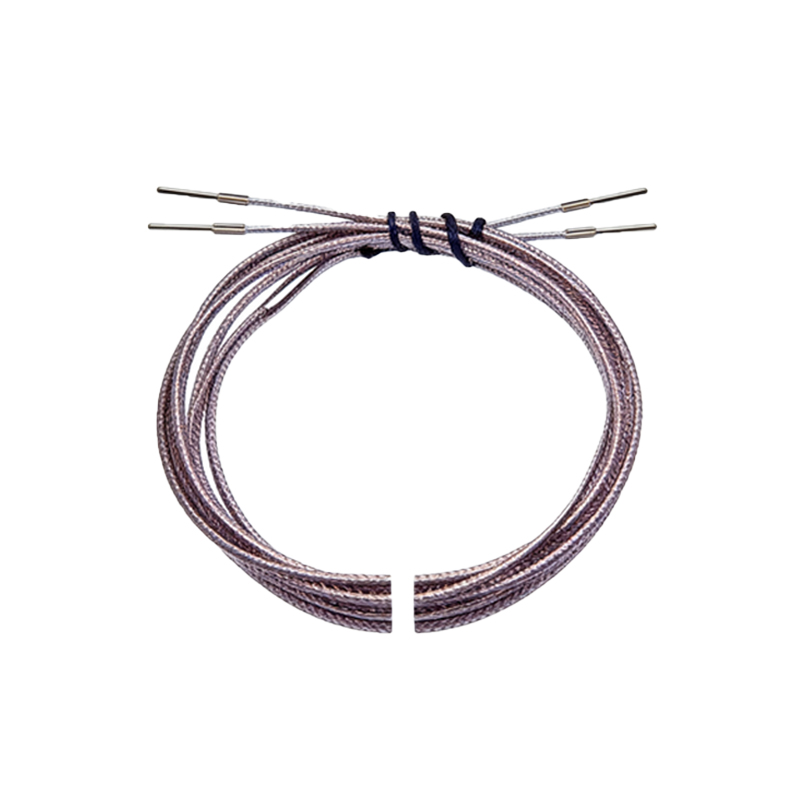
The Role of the Photoelectric Sensor
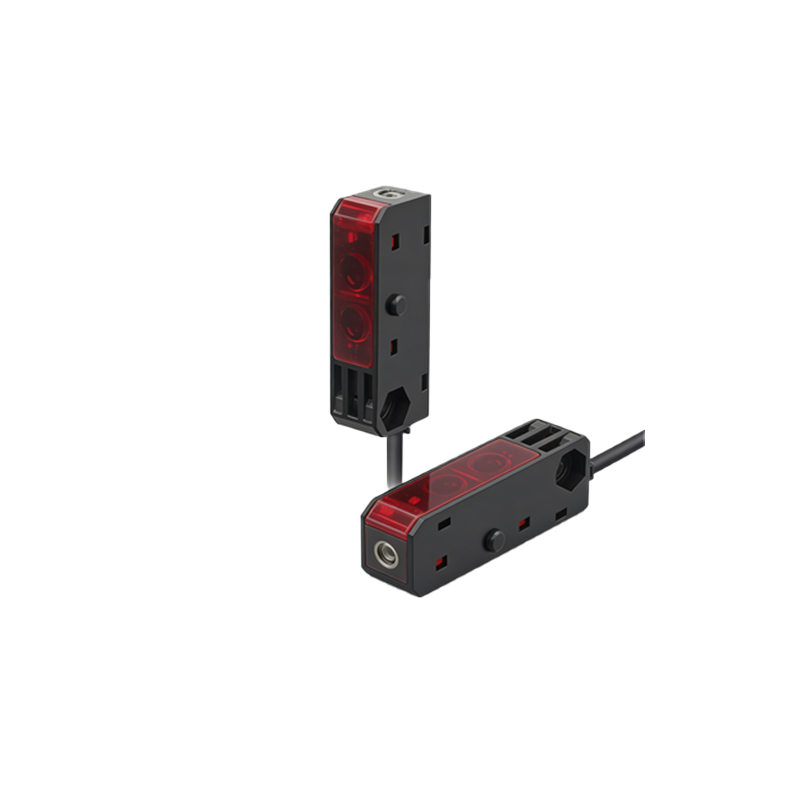
A photoelectric sensor in a coin return assembly is typically a through-beam type. It consists of two separate components: an infrared LED emitter and a phototransistor receiver. These are mounted on opposite sides of the coin return chute or path. When no coin is present, the infrared light beam travels uninterrupted from the emitter to the receiver, generating a constant signal (usually a logic HIGH). When a coin is directed into the return path by the solenoid or motor, it passes through this beam, interrupting the light. This interruption causes the receiver's signal to drop (to logic LOW), sending a clear digital pulse to the controller.
Key Functions and Operational Logic
This simple on/off signal is fundamental to several key functions. Primarily, it confirms coin passage. When a user requests a coin return, the controller activates the return motor. The sensor detects the coin as it passes, confirming that the ejection command was executed successfully. Without this confirmation, the machine might assume a failure and could lock or enter an error state. Secondly, it prevents fraud. The sensor can detect if multiple coins are stuck together or if an object is obstructing the chute, as the signal interruption would be abnormally long. This helps prevent "stringing" attacks or mechanical jams. Finally, it provides data for maintenance. Counting the number of return operations can be valuable data for predictive maintenance, indicating potential wear in the coin path or motor.
Technical Specifications and Environmental Challenges
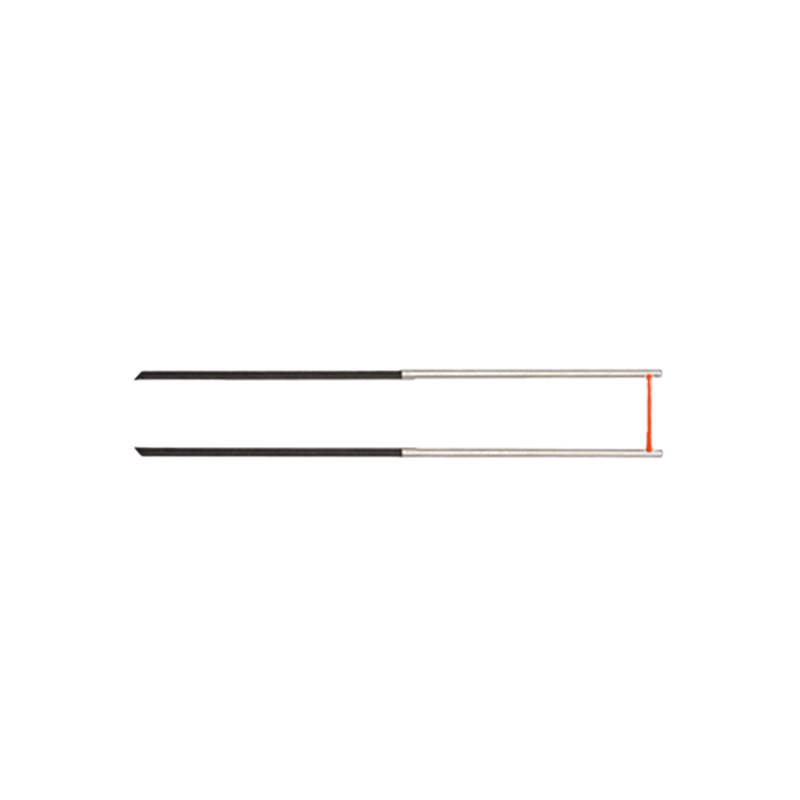
Designing and selecting the right photoelectric sensor for this application requires careful consideration. The sensor must be compact to fit within the tight confines of a coin mechanism. It must operate reliably on the machine's low-voltage DC supply, often 5V, 12V, or 24V. The infrared wavelength is standard to avoid interference from ambient light. The biggest challenge is contamination. Dust, dirt, and moisture from the operating environment can accumulate on the emitter and receiver lenses, attenuating the light beam and causing false readings or failures. Therefore, sensors with adequate ingress protection (e.g., IP50 or higher) and a design that minimizes lens exposure are preferred. The switching speed must also be fast enough to detect a rapidly moving coin without missing it.
Integration with the Control System
The sensor's output is integrated into the machine's microcontroller or programmable logic controller (PLC). The control logic is straightforward but must be robust. A typical sequence is: 1) Return command issued. 2) Motor energized for a predefined time (e.g., 500ms). 3) System monitors the sensor for a LOW pulse within that timeframe. 4) If pulse detected, operation is logged as successful. 5) If no pulse is detected, the motor may be pulsed again, or a "coin return error" is flagged for the user and logged for service. This closed-loop feedback is what transforms a simple motor into a smart, reliable component.
Common Failure Modes and Troubleshooting
Despite their simplicity, photoelectric sensors are a common point of failure. The most frequent issue is lens obscuration from dirt, leading to a loss of signal. Technicians often clean the lenses with compressed air or isopropyl alcohol as a first step. Failure of the IR LED or phototransistor due to voltage spikes or age is another cause. Electrical continuity checks and output signal monitoring with a multimeter or oscilloscope are standard diagnostic procedures. Misalignment, caused by physical shock or vibration loosening the mounts, can also break the beam. Ensuring mechanical stability during assembly and service is crucial. A failed sensor will often manifest as repeated coin return errors or the machine refusing to accept new coins until the error is cleared.
Advancements and Future Trends
While the core through-beam technology remains dominant for its cost-effectiveness and reliability, advancements are being integrated. Some newer systems employ modulated infrared signals to further enhance immunity to ambient light interference. There is also a trend towards more integrated "smart sensors" that include built-in logic, such as timers or pulse counters, communicating via simple serial protocols. This can offload processing from the main controller. Furthermore, the use of redundant sensor arrays is being explored in high-security applications to provide even greater certainty of coin passage and detection of sophisticated fraud attempts. The fundamental principle, however, of using light to detect an object remains the unwavering standard for ensuring the trustworthiness of every coin return transaction.