Introduction to Proximity Sensing Technology
Proximity sensors are critical components in modern industrial automation, particularly for large machinery. These non-contact devices detect the presence or absence of objects within a specified range, enabling precise control and monitoring. In heavy equipment such as cranes, presses, and conveyors, proximity sensors play a vital role in preventing collisions, ensuring operational accuracy, and enhancing safety. By utilizing electromagnetic fields, infrared light, or ultrasonic waves, they provide reliable detection without physical contact, reducing wear and tear on both the sensor and machinery. This technology is essential for maintaining efficiency in demanding environments where manual oversight is impractical or hazardous.
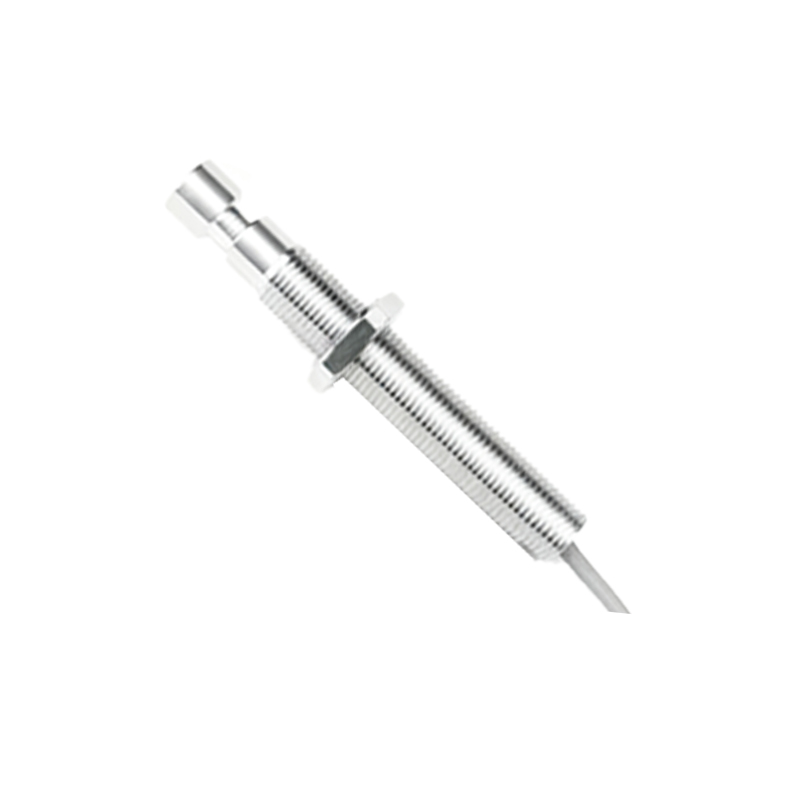
Types of Proximity Sensors for Heavy-Duty Applications
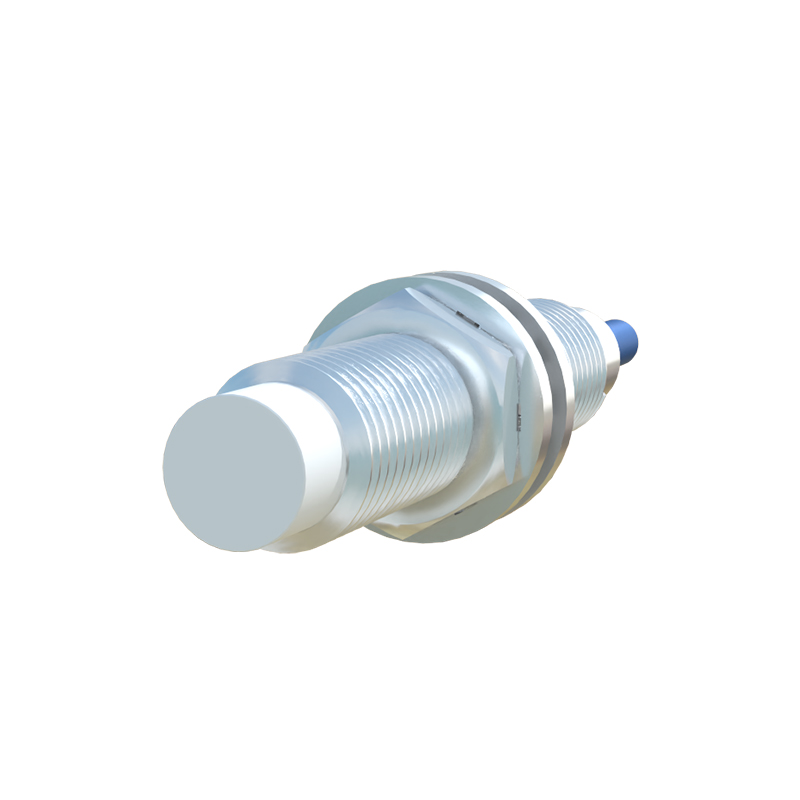
Several types of proximity sensors are employed in large machinery, each suited to specific conditions. Inductive sensors are common for detecting metallic objects, making them ideal for metal fabrication and assembly lines. Capacitive sensors can sense both metallic and non-metallic materials, useful in industries like wood processing or packaging. Ultrasonic sensors excel in harsh environments with dust or moisture, often applied in mining or construction equipment. Photoelectric sensors use light beams for long-range detection, suitable for conveyor systems in logistics. Selecting the right sensor depends on factors like material composition, environmental challenges, and required detection range, ensuring optimal performance in diverse industrial settings.
Key Benefits in Large Machinery Operations
Implementing proximity sensors in large machinery offers numerous advantages. Safety is paramount; sensors can halt equipment if an obstruction is detected, preventing accidents and protecting workers. Efficiency improves through automated positioning and sequencing, reducing downtime and increasing throughput. Maintenance costs decrease as non-contact sensing minimizes mechanical wear, extending machinery lifespan. Additionally, sensors enable real-time data collection for predictive analytics, allowing proactive adjustments to operations. In sectors like manufacturing and energy, these benefits translate to higher productivity and compliance with stringent safety regulations, making proximity sensors indispensable for modern industrial operations.
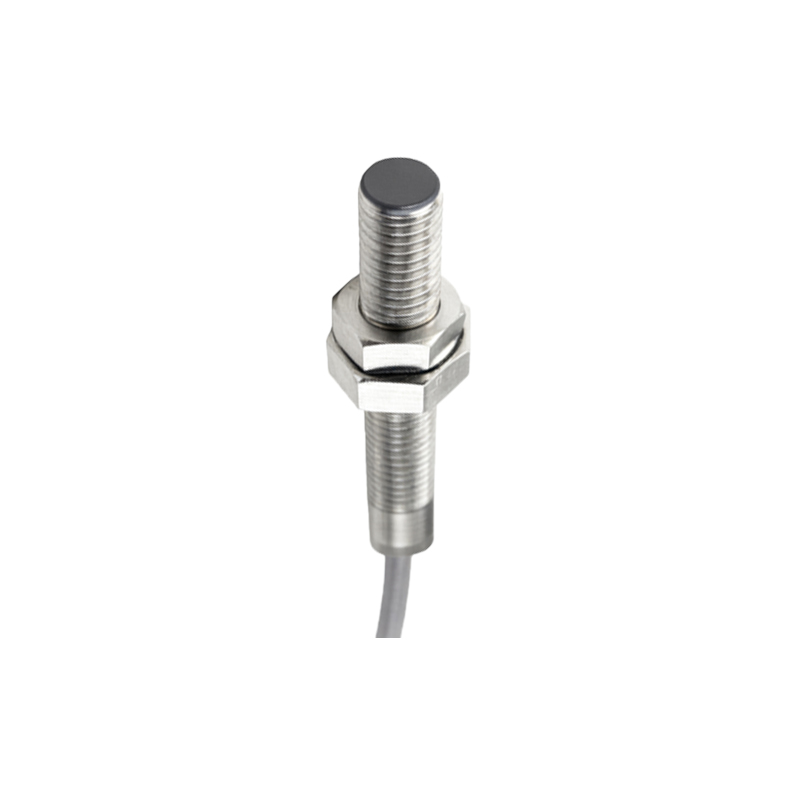
Installation and Calibration Best Practices
Proper installation and calibration are crucial for proximity sensor effectiveness in large machinery. Sensors should be mounted securely to withstand vibrations and shocks common in heavy-duty environments. Positioning must account for the detection range and angle to avoid false triggers or missed detections. Calibration involves setting sensitivity thresholds based on the target material and environmental interference, such as temperature fluctuations or electromagnetic noise. Regular testing with sample objects ensures accuracy, and documentation of settings aids in troubleshooting. Following manufacturer guidelines and industry standards, like IEC 60947-5-2, helps maintain reliability and ensures sensors integrate seamlessly with control systems like PLCs.
Common Challenges and Solutions
Despite their reliability, proximity sensors face challenges in large machinery applications. Environmental factors like extreme temperatures, humidity, or corrosive substances can degrade performance. Selecting sensors with appropriate IP ratings and robust housings mitigates these issues. Interference from other electrical equipment may cause signal disruption; shielding cables and using filtered sensors can reduce noise. Wear over time, though minimal, requires periodic inspection and replacement to prevent failures. Advanced solutions include self-diagnostic sensors that alert operators to malfunctions, and wireless models that simplify installation in complex machinery. Addressing these challenges proactively ensures continuous operation and minimizes disruptions.
Future Trends and Innovations
The future of proximity sensing in large machinery is shaped by technological advancements. IoT integration allows sensors to transmit data to cloud platforms for remote monitoring and analytics, enabling smarter decision-making. Miniaturization leads to more compact sensors that fit into tighter spaces without sacrificing range. Enhanced materials, such as graphene-based components, promise greater sensitivity and durability. AI algorithms can analyze sensor data to predict maintenance needs or optimize processes autonomously. As industries embrace Industry 4.0, proximity sensors will evolve to support fully automated, interconnected systems, driving further gains in safety and efficiency for large-scale operations worldwide.