Introduction to Through-Beam Photoelectric Sensors
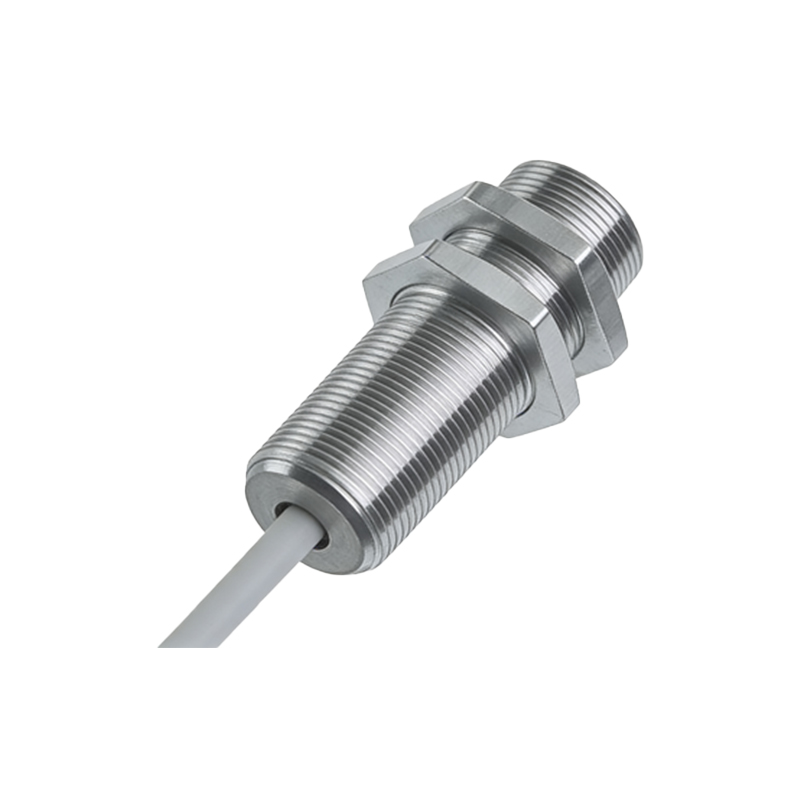
The through-beam photoelectric sensor, often considered the workhorse of non-contact detection, operates on a fundamental principle of light interruption. This sensor type consists of two separate, physically distinct units: a light emitter and a light receiver. The emitter projects a continuous or modulated beam of light—typically infrared, red LED, or laser—directly towards the receiver. When an object passes between these two components, it interrupts the light beam. The receiver detects this absence of light and triggers an output signal. This straightforward "beam-break" method provides the longest sensing ranges and highest excess gain of any photoelectric sensing mode, making it exceptionally reliable for detecting objects of varying colors, surface finishes, and materials, even in challenging environmental conditions.
Core Operating Principles and Components
At the heart of a through-beam sensor's reliability is its separation of the light source and the detection element. The emitter unit contains a light-emitting diode (LED) that generates the beam. For long-range or precise applications, a laser diode may be used. The light is often modulated at a specific high frequency to allow the receiver to distinguish the sensor's signal from ambient light, such as factory lighting or sunlight, thereby ensuring immunity to optical interference. The receiver unit houses a phototransistor or photodiode tuned to respond only to the emitter's specific frequency. This precise pairing creates a robust link. The key metric here is "excess gain," which quantifies the amount of light energy reaching the receiver beyond the minimum required for operation. High excess gain allows the beam to penetrate light dust, fog, or minor misalignments.
Key Advantages in Industrial Settings
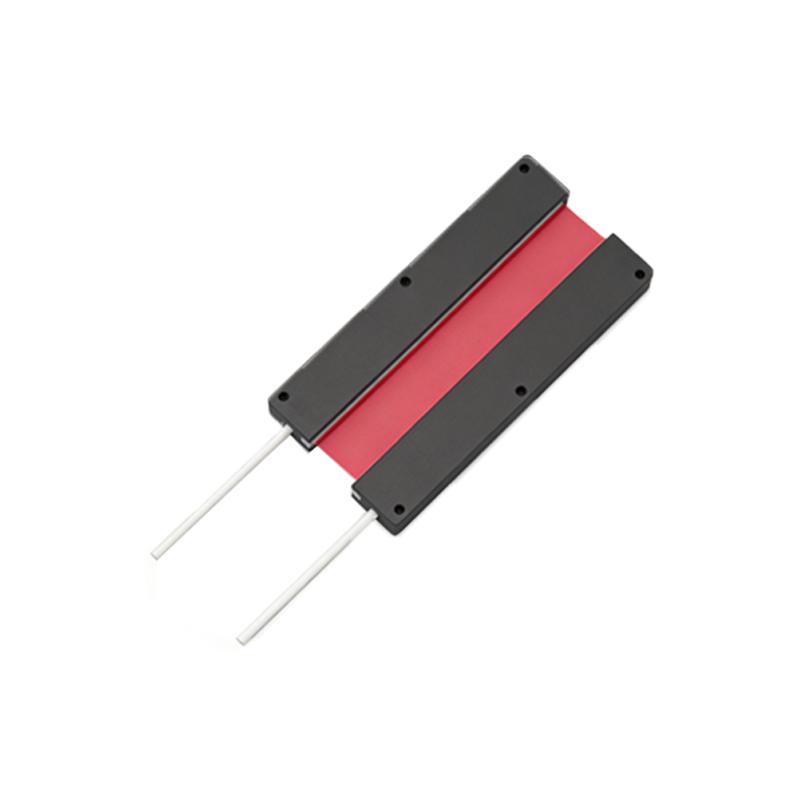
The primary advantages of through-beam photoelectric sensors stem from their separated design. First, they offer the maximum possible sensing distance for photoelectric sensors, with some laser-based models capable of ranges exceeding 200 meters. Second, they provide exceptional reliability and accuracy. Because the receiver is detecting the presence or absence of a strong, directed beam, it is largely unaffected by the object's reflectivity, color, or surface angle. A black, matte object and a shiny, white object will both reliably break the beam. This makes them ideal for precise registration control, counting, and safety curtain applications. Their high excess gain also makes them suitable for dirty environments where other sensor types might fail due to buildup on the lens.
Common Applications and Use Cases
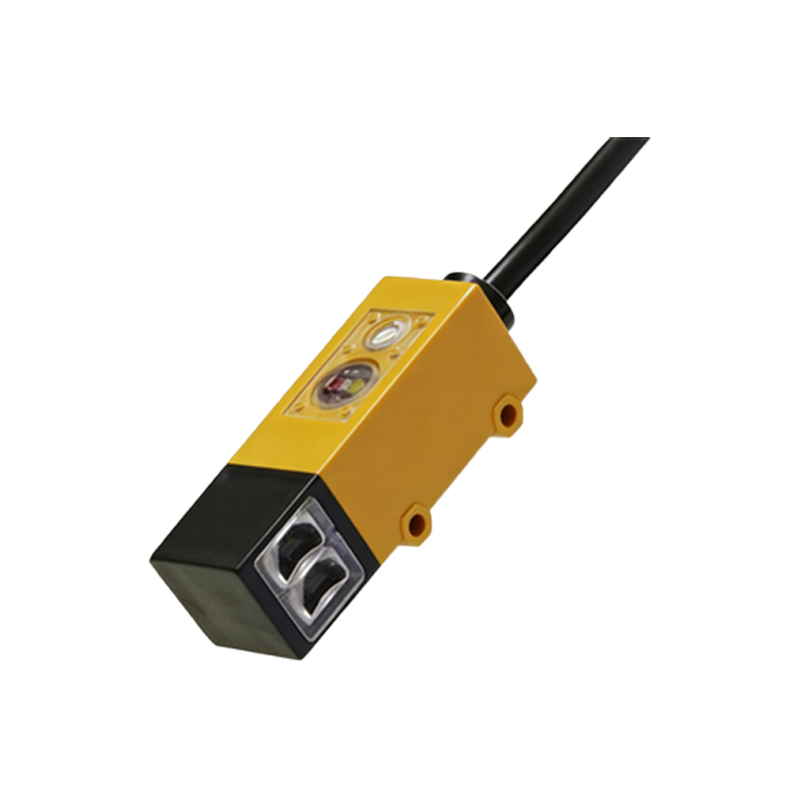
Through-beam sensors are ubiquitous in automation. A classic application is in conveyor systems for object detection, counting, and break-in monitoring. They are used to detect the presence of bottles, cans, or packages, ensuring proper spacing and triggering downstream processes. In packaging machinery, they ensure carton flaps are open or detect the correct placement of products. Another critical use is in safety systems, where arrays of through-beam sensors create "light curtains" to guard hazardous areas around presses, robots, or automated guided vehicles (AGVs). Furthermore, they are employed in door control systems for elevators and automated gates, ensuring the path is clear before closure. Their long-range capability is exploited in warehouse vehicle detection and large-scale material handling.
Installation Considerations and Alignment
While highly reliable, the performance of a through-beam sensor is contingent upon proper installation and alignment. The most significant consideration is the precise mechanical alignment of the emitter and receiver. Misalignment can reduce the effective excess gain, leading to unreliable operation. Many modern sensors incorporate visual alignment aids, such as LED indicators that change color or brightness when the beam is properly centered. Sturdy mounting brackets are essential to prevent vibration-induced misalignment over time. The environment must also be considered; while resistant to light contamination, heavy accumulation of dirt on either lens will eventually block the beam. In such cases, regular maintenance or the use of models with lens-cleaning air jets may be necessary. Cable routing and protection are also vital to prevent damage.
Comparison with Other Sensing Modes
It is instructive to compare the through-beam mode with other common photoelectric configurations: retro-reflective and diffuse. Retro-reflective sensors use a single unit that emits light to a reflector, which bounces it back. While easier to install (only one unit to wire and mount), they can be fooled by shiny objects that reflect light back on their own. Diffuse (proximity) sensors detect light reflected directly off the target object. They are the easiest to install as only one unit is needed and alignment is not critical, but their sensing range is shortest and they are highly sensitive to the object's color and surface. The through-beam method sacrifices installation simplicity for superior range, reliability, and material independence.
Technological Enhancements and Future Trends
Advancements continue to enhance through-beam sensor capabilities. The integration of advanced diagnostics via IO-Link communication allows sensors to report parameters like received light intensity, helping predict maintenance needs before a failure occurs. The use of Class 1 or Class 2 laser light sources provides extremely small, precise beam spots for detecting very small objects or precise edge detection. Furthermore, sensors with background suppression technology in a through-beam format are emerging, which can ignore objects beyond a set distance even in a beam-break scenario. Looking forward, integration with industrial IoT platforms will enable smarter, networked sensing systems where sensor status and diagnostic data contribute to overall equipment effectiveness (OEE) metrics and predictive maintenance strategies.