Introduction to Advanced Proximity Sensing
In the rapidly evolving landscape of industrial automation and smart systems, the demand for precise, reliable, and robust sensing technology has never been higher. Among the various sensing modalities, infrared (IR) proximity sensors stand out for their versatility and non-contact operation. Pushing the boundaries of this technology, Level 10 Infrared Proximity Sensors represent the pinnacle of performance, engineered for the most demanding applications. These sensors are not merely incremental improvements but a significant leap forward, integrating cutting-edge components and sophisticated signal processing to achieve unparalleled accuracy, range, and environmental immunity. This article delves into the technical specifications, operational principles, and critical application domains that define this top-tier category of sensing devices.
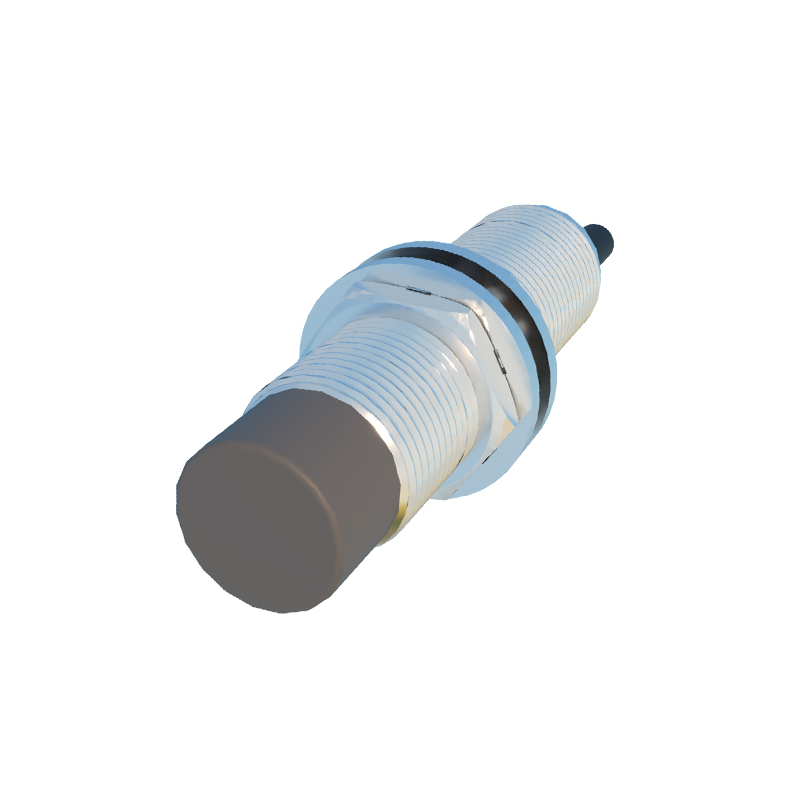
Defining the 'Level 10' Performance Standard
The classification 'Level 10' is not an arbitrary designation but a benchmark for a suite of exceptional performance characteristics. Primarily, it signifies an extreme sensing range, often exceeding 10 meters for reflective targets, coupled with sub-millimeter resolution for short-range detection. This dual capability is achieved through high-power, focused IR emitters and ultra-sensitive photodetectors, often avalanche photodiodes (APDs) or specialized phototransistors. Furthermore, Level 10 sensors incorporate advanced optical filters to drastically reduce interference from ambient light, including direct sunlight. Their housing is typically rated at IP67 or higher, ensuring complete protection against dust and temporary immersion, making them suitable for harsh industrial and outdoor environments. The internal circuitry is designed for high-speed response, often in the microsecond range, and exceptional signal-to-noise ratio (SNR).
Core Operational Principles and Architecture
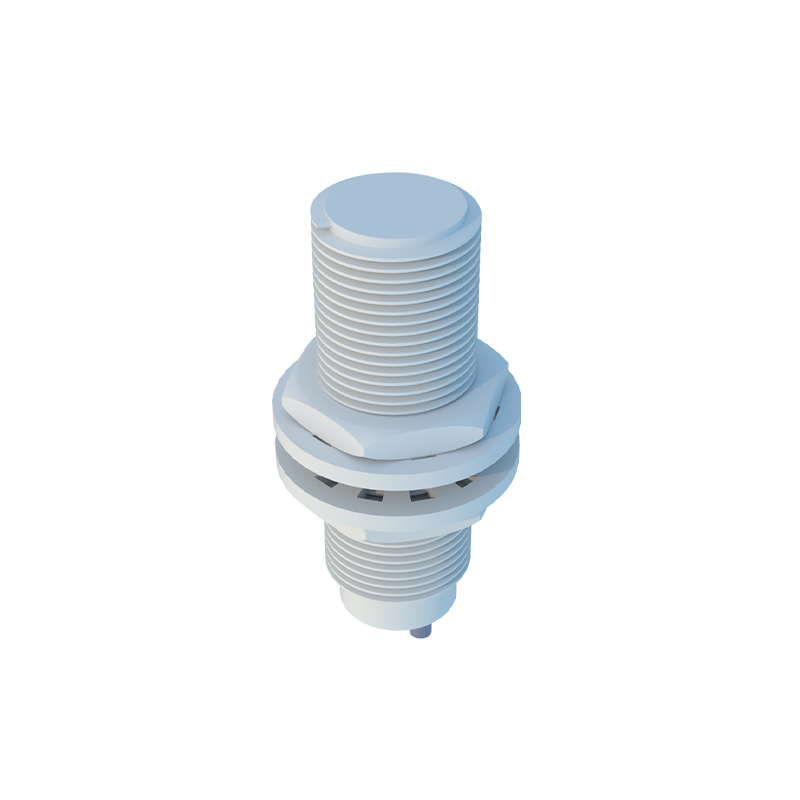
At their heart, Level 10 IR proximity sensors operate on the principle of modulated light detection to overcome ambient noise. Unlike simple reflective sensors, they emit a precisely modulated beam of infrared light—often at a specific frequency like 38kHz or 455kHz. The receiver circuit is tuned to detect only light modulated at this exact frequency, effectively filtering out constant or randomly fluctuating ambient IR sources. The time-of-flight (ToF) or phase-shift measurement techniques are frequently employed in these high-level sensors to calculate distance with high precision, rather than relying solely on reflected intensity. The architecture includes a microcontroller or dedicated ASIC (Application-Specific Integrated Circuit) that handles complex algorithms for distance calculation, temperature compensation, and output signal conditioning, providing stable analog (4-20mA, 0-10V) or digital (IO-Link, RS-485) outputs.
Key Technical Specifications and Parameters
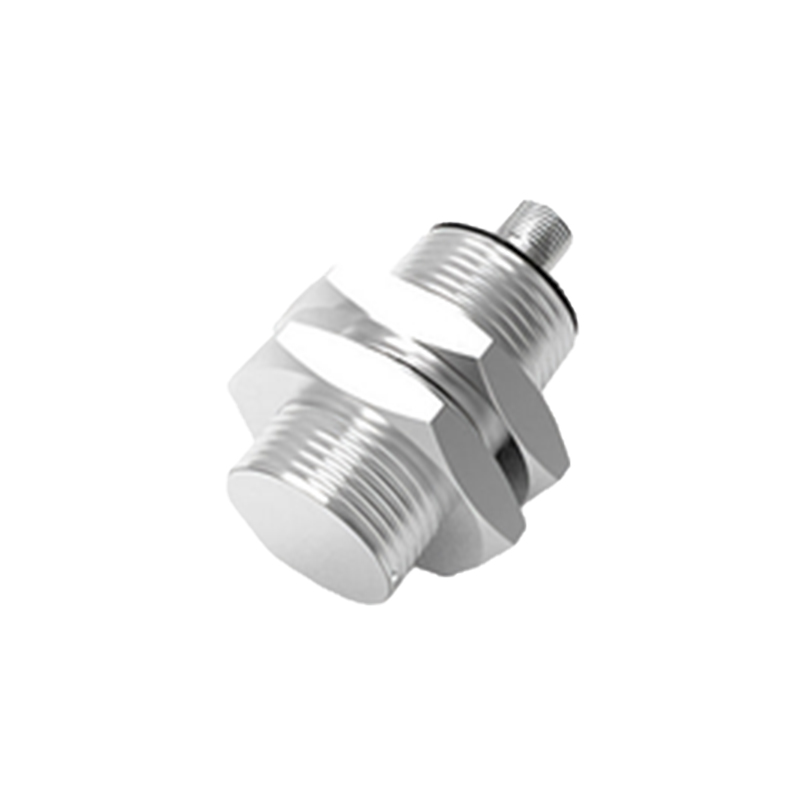
Evaluating a Level 10 sensor requires a deep understanding of its datasheet. Critical parameters include the sensing range, which is specified for different target reflectivities (e.g., 90% white vs. 18% gray). The repeatability, often within ±0.1% of the measuring range, is crucial for precision automation. The temperature operating range is exceptionally wide, typically from -40°C to +85°C or beyond, with minimal drift. The light source is a critical component; high-grade laser diodes or LEDs with precise collimating lenses are standard. The housing material, often stainless steel or ruggedized polymers with metalized coatings, ensures mechanical stability and shields against electromagnetic interference (EMI). Additionally, features like programmable sensing windows, teach-in functions via push-button or software, and multi-object discrimination are common in this class.
Overcoming Environmental and Application Challenges
The defining feature of Level 10 sensors is their robustness against challenging conditions. They are engineered to ignore interfering signals from other IR devices, welding arcs, and fluctuating sunlight. Advanced algorithms perform continuous background suppression, dynamically adjusting the sensor's sensitivity to ignore static or slowly moving background objects. This makes them ideal for applications like outdoor vehicle detection, logistics sorting under skylights, or precise positioning in dirty manufacturing cells where oil mist or dust is present. Their robust construction also makes them resistant to vibration, shock, and chemical exposure, which are common in heavy industry, mining, and agricultural machinery.
Primary Industrial and Commercial Applications
The application spectrum for Level 10 IR Proximity Sensors is vast and mission-critical. In automotive manufacturing, they are used for robotic guidance, part presence verification in paint shops, and final assembly checks. In packaging and material handling, they enable high-speed bottle counting, palletizing, and warehouse automation with precise height and position detection. The logistics sector relies on them for parcel dimensioning, automated guided vehicle (AGV) navigation, and dock door safety curtains. Beyond industry, they find use in security systems for perimeter protection, in smart traffic management for vehicle counting and classification, and in agricultural technology for yield monitoring and automated guidance systems