Understanding Magnetic Proximity Sensor Repair
Magnetic proximity sensors are critical components in industrial automation, machinery, and safety systems. They detect the presence or absence of a magnetic field, typically from a permanent magnet, without physical contact. When these sensors malfunction, production lines can halt, leading to significant downtime. Repairing a magnetic proximity sensor is often a more cost-effective and faster solution than outright replacement, especially for specialized or integrated units. The decision to repair hinges on several factors, including the sensor type, failure mode, and availability of parts. This guide delves into the key elements that determine repair costs, providing industry professionals with a realistic framework for budgeting and decision-making.
Primary Factors Influencing Repair Costs
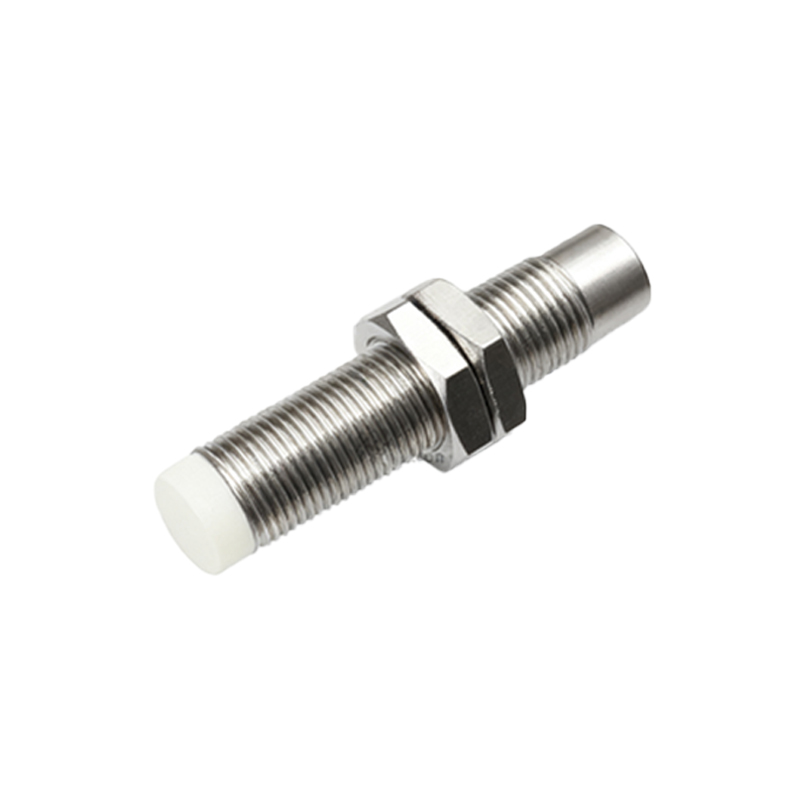
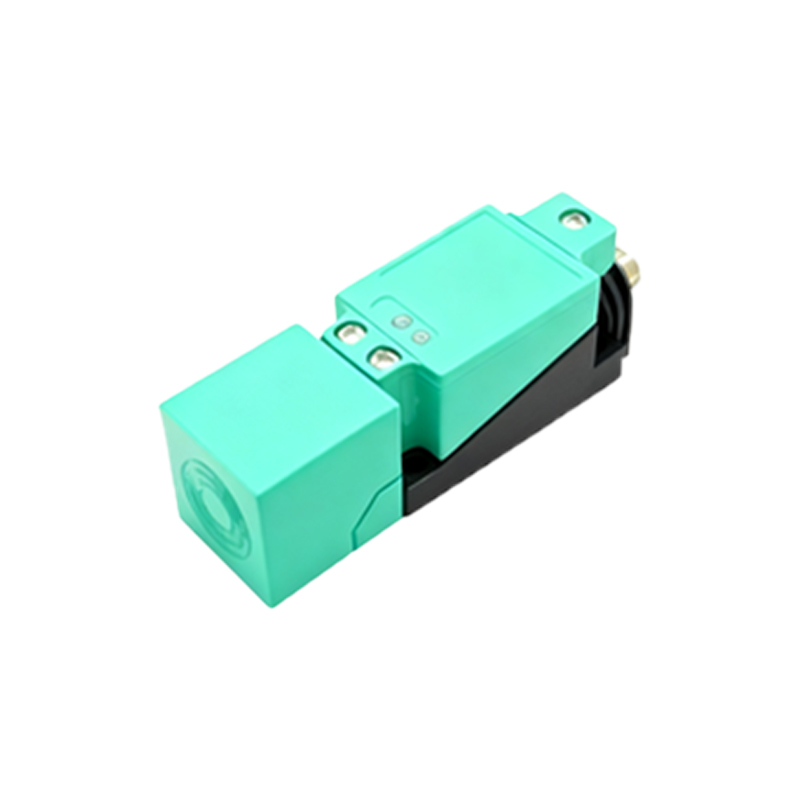
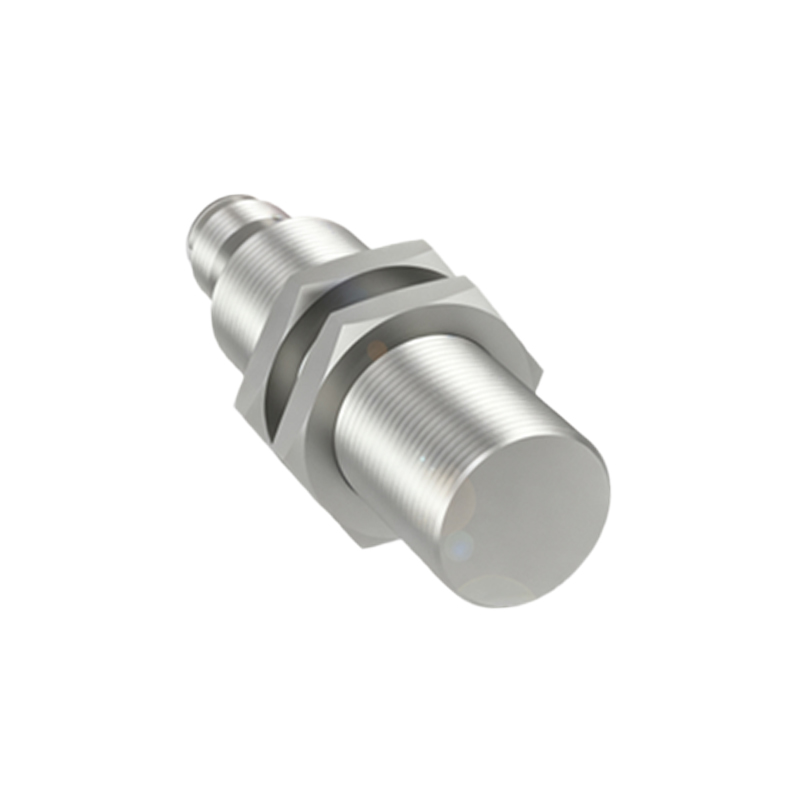
The cost to repair a magnetic proximity sensor is not a flat rate. It varies dramatically based on specific circumstances. The first major factor is the sensor type and complexity. A simple, standard tubular inductive sensor with a magnetic target will be far less expensive to service than a sophisticated, multi-channel analog output sensor or a unit with specialized housing ratings (e.g., explosion-proof, high-temperature). The brand also plays a role; repairing a sensor from a major manufacturer like Siemens, Pepperl+Fuchs, or Omron might involve higher part costs but better availability compared to a proprietary or obsolete model. The nature of the failure is paramount. A simple issue like a damaged cable or connector is a low-cost fix. A cracked housing or damaged sensing face requiring resealing is more involved. The most expensive repairs involve internal electronics, such as a failed oscillator circuit, damaged IC, or compromised output switching element.
Breakdown of Typical Cost Components
A professional repair service will typically itemize costs into labor, parts, and testing. Labor rates for specialized industrial electronics technicians range from $80 to $150 per hour, depending on geographic location and the shop's expertise. A straightforward repair might take 1-2 hours, while a complex diagnostic and component-level fix could require 3-5 hours or more. Parts costs can be minimal (a few dollars for a new cable gland or O-ring) or substantial ($50-$200+ for a proprietary circuit board or custom-wound coil). Many repair shops also charge a flat diagnostic fee, usually between $50 and $100, which is often waived if you proceed with the repair. Finally, a critical but sometimes overlooked cost is calibration and testing. A reputable service will test the sensor's switching point, hysteresis, and output function against its original specifications, ensuring it performs as new. This post-repair validation is essential for reliability.
Cost Estimates and Scenarios
Providing precise figures is challenging without specifics, but general estimates can be offered. For a common 3-wire DC tubular sensor with a broken cable: expect a total repair cost in the range of $100 to $250. This includes diagnostics, a new cable assembly, resealing, and testing. For a sensor with a cracked plastic housing but functional internals, the cost might be $150 to $300, factoring in sourcing a new housing or applying epoxy resin seals. For repairs involving internal PCB components, costs typically start at $250 and can exceed $500, particularly if the coil needs rewinding or a custom ASIC is replaced. In many cases, especially for standard sensors where a new unit costs under $150, repair may not be economically justified unless downtime costs are extreme.
Repair vs. Replacement: A Cost-Benefit Analysis
The core question is often whether to repair or replace. A simple rule of thumb is to consider repair if the cost is 50-65% or less of the price of a new, equivalent sensor. However, this must be balanced against other factors. Repair can be faster than waiting for a new sensor shipment, minimizing downtime which can cost thousands per hour. For obsolete sensors no longer in production, repair or refurbishment is the only option short of redesigning the entire system. Furthermore, repairing a sensor maintains consistency in the machine's setup, avoiding potential re-tuning issues with a new model. Always request a formal quote from the repair service and compare it directly with the lead time and total cost of a new unit, including any mounting adapters needed.
Choosing a Qualified Repair Service Provider
Not all repair shops are equal. Selecting the right provider is crucial for cost-effectiveness and long-term reliability. Look for a service with specific expertise in industrial sensors and proximity switches, not just general electronics. They should have proper electrostatic discharge (ESD) protection protocols and calibration equipment traceable to national standards. Inquire about their warranty on repairs; a confident provider will offer a 6 to 12-month warranty on labor and parts. Ask for references