Introduction to Photoelectric Sensor Programming
Photoelectric sensors are pivotal components in modern industrial automation, enabling non-contact detection of objects through light-based technology. Programming these sensors involves configuring their operational parameters to suit specific application requirements, such as sensing range, response time, and output logic. Unlike simple on/off devices, advanced photoelectric sensors offer programmable features via software interfaces or hardware settings, allowing engineers to optimize performance in diverse environments. This process typically includes adjusting sensitivity, setting timers, and defining output modes to ensure reliable detection in challenging conditions like varying ambient light or material transparency. Understanding the programming fundamentals is essential for maximizing sensor efficiency and minimizing false triggers in automated systems.
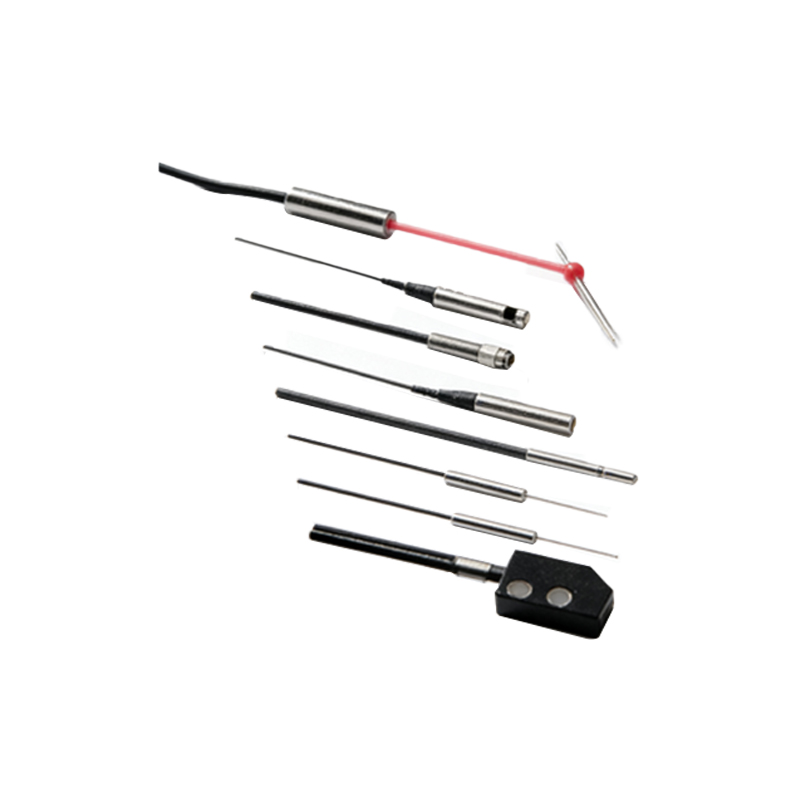
Key Programming Parameters and Settings
The core of photoelectric sensor programming revolves around key parameters that dictate functionality. Sensitivity adjustment is critical, as it determines the sensor's ability to detect objects at specified distances or under different surface reflectivities. Engineers can program threshold levels to ignore background interference, using potentiometers or digital interfaces. Response time settings allow customization of how quickly the sensor reacts to detected objects, which is vital for high-speed production lines. Additionally, output configuration—such as setting normally open (NO) or normally closed (NC) modes—enables integration with control systems like PLCs. Timer functions, including on-delay or off-delay, can be programmed to manage output signals for specific durations, enhancing process synchronization.
Software-Based Programming Tools
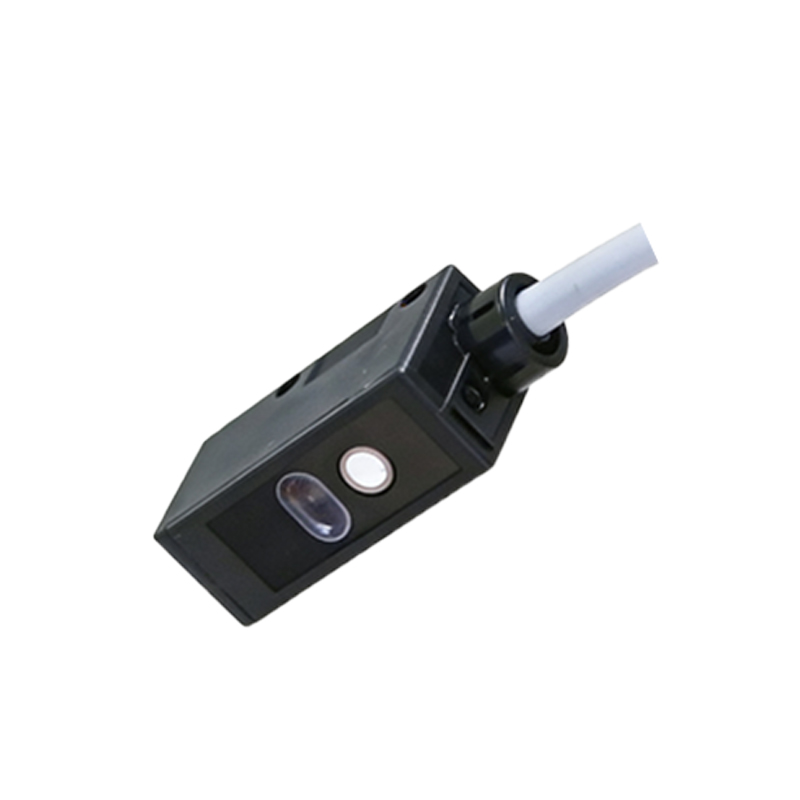
Many modern photoelectric sensors support software-based programming through dedicated tools provided by manufacturers. These tools, often accessible via USB or Ethernet connections, offer graphical user interfaces (GUIs) for intuitive parameter adjustments. Engineers can use software to upload and download configuration files, enabling quick replication of settings across multiple sensors. Features like real-time monitoring and diagnostic logs help troubleshoot issues, such as alignment errors or signal fluctuations. Some advanced software includes simulation modes to test programming changes before deployment, reducing downtime in live environments. Compatibility with industrial protocols, such as IO-Link, allows for seamless communication and remote programming from central control stations.
Hardware Configuration Methods
For sensors without software interfaces, hardware-based programming methods are employed. This often involves using built-in potentiometers or dip switches to adjust settings manually. Potentiometers control sensitivity or timing by rotating a dial, while dip switches enable binary selection of modes like light-on/dark-on operation. Teach-in functions are another common hardware method, where the sensor learns detection thresholds by pressing a button when an object is present. These approaches are straightforward and suitable for applications where complex programming isn't required, though they may lack the precision of software tools. Engineers must follow manufacturer guidelines to avoid misconfiguration, which could lead to operational failures.
Integration with Control Systems
Programming photoelectric sensors extends beyond standalone setup to integration with broader control systems. Sensors are often connected to programmable logic controllers (PLCs) or industrial PCs, requiring coordination of input/output signals. Engineers program sensors to communicate via digital or analog interfaces, ensuring compatibility with system logic. For instance, setting up a sensor to send a pulse output to a PLC can trigger sequential actions in a conveyor system. Networking protocols like Ethernet/IP or Profinet enable centralized programming and monitoring, allowing for adjustments on-the-fly without physical access to the sensor. Proper integration minimizes latency and enhances system reliability in automated workflows.
Best Practices for Optimization
To achieve optimal performance, engineers should adhere to best practices during programming. Start by calibrating sensors in their actual operating environment to account for factors like ambient light or vibration. Use diagnostic features, such as signal strength indicators, to fine-tune sensitivity and avoid over-ranging. Regularly update firmware to access new programming capabilities and bug fixes. Document configurations systematically, including backup files, to streamline maintenance and replacements. Testing under worst-case scenarios—like detecting low-reflectivity objects—ensures robustness. Additionally, consider energy-saving modes in programmable sensors to reduce power consumption in large-scale installations, balancing efficiency with detection accuracy.
Common Challenges and Solutions
Programming photoelectric sensors can present challenges, such as interference from external light sources or inconsistent object detection. To mitigate these, program sensors with background suppression modes that ignore distant reflections. Adjust hysteresis settings to prevent output chattering when objects are near the detection threshold. For transparent or glossy materials, use polarized filters or program sensors to operate in retro-reflective modes with precise alignment. In dusty or humid environments, enable contamination detection features that alert operators to cleaning needs. Leveraging programmable logic within sensors, like window comparators, can also filter out false triggers by defining acceptable signal ranges, ensuring stable operation in complex applications.
Future Trends in Sensor Programming
The evolution of photoelectric sensor programming is leaning toward greater connectivity and intelligence. Emerging trends include the adoption of IoT-enabled sensors that allow cloud-based programming and data analytics. Machine learning algorithms are being integrated to enable self-adjusting sensors that optimize parameters autonomously based on environmental changes. Standardization of programming languages, such as using OPC UA for unified communication, simplifies integration across diverse systems. Additionally, augmented reality (AR) tools are being developed to guide engineers through programming steps via wearable devices, reducing setup time. These advancements promise to make sensor programming more efficient and adaptive to dynamic industrial needs.