Understanding Small Proximity Sensor Types
Before embarking on your purchasing journey, it's crucial to identify the specific type of small proximity sensor required for your application. The primary categories include inductive sensors for detecting metallic objects, capacitive sensors for non-metallic materials like liquids or plastics, and photoelectric sensors using light beams. Each type has distinct operational principles, sensing ranges, and form factors. For instance, miniature inductive sensors, often cylindrical (e.g., M8, M12 threaded barrels), are ubiquitous in factory automation for position detection. Clearly defining your technical requirements—such as sensing distance, output type (PNP/NPN, analog, IO-Link), housing material, and electrical specifications—is the foundational step to finding the correct supplier.
Major Industrial Distributors and Catalogs
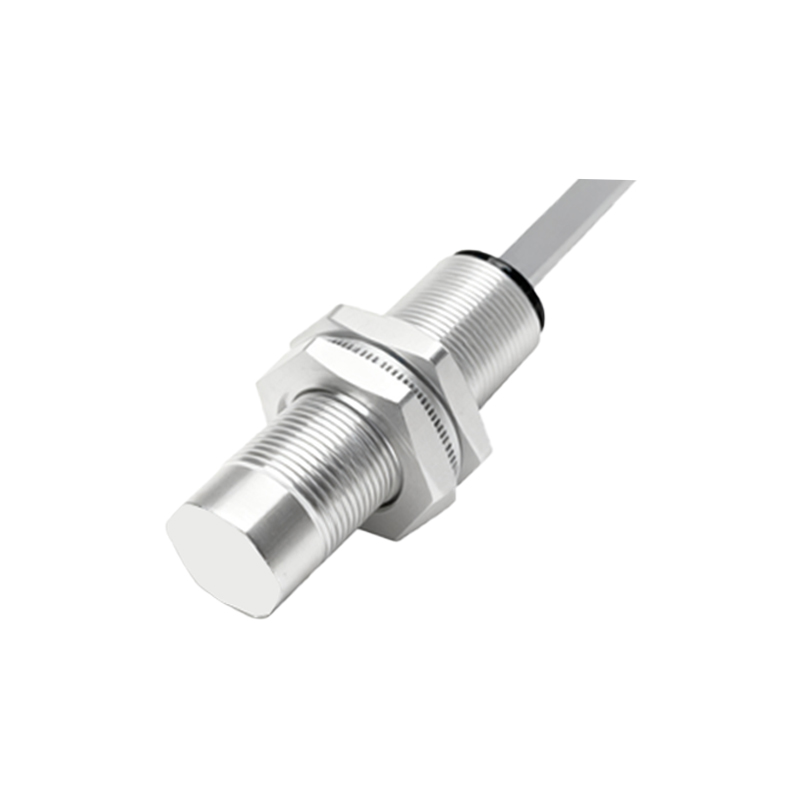
For reliable and fast procurement, established global industrial distributors are the first port of call. Companies like Digi-Key Electronics, Mouser Electronics, and RS Components maintain vast online inventories with detailed parametric search filters. These platforms allow you to narrow down options by sensor type, size, sensing range, and brand. They provide immediate pricing, stock levels, datasheets, and often offer next-day shipping. For more industry-focused automation components, distributors such as Allied Electronics & Automation or AutomationDirect offer curated selections from leading manufacturers like Omron, Schneider Electric, Pepperl+Fuchs, and SICK. Purchasing through these authorized channels guarantees product authenticity, technical support, and warranty coverage.
Direct Manufacturer Sourcing and Custom Solutions
For high-volume projects, specialized requirements, or when seeking direct technical consultation, sourcing directly from the manufacturer is highly advisable. Most major sensor manufacturers have comprehensive "Where to Buy" sections on their corporate websites, directing you to local distributors or their own sales teams. Engaging directly is essential if your design requires custom modifications—such as ultra-miniature sizes, specific cable lengths, or unusual housing materials. Companies specializing in micro-sensors or harsh-environment sensors often operate on a direct or representative model. This path facilitates deeper technical discussions, application engineering support, and potentially more favorable pricing for large orders, though lead times may be longer.
Online Marketplaces: Benefits and Caveats
General online marketplaces like Amazon Business or eBay, and specialized B2B platforms like Alibaba or Thomasnet, also list small proximity sensors. These can be useful for prototyping, sourcing generic components, or finding discontinued parts. The benefits include user reviews, sometimes lower prices, and a wide array of suppliers. However, significant caveats exist. There is a higher risk of encountering counterfeit components, incorrect specifications, or lack of technical documentation. Quality control can be inconsistent. It is imperative to vet sellers thoroughly, check ratings, and insist on official datasheets. This channel is generally not recommended for critical industrial applications without rigorous validation.
Evaluating Supplier Reliability and Support
Regardless of the purchasing channel, evaluating the supplier's reliability is paramount. Key factors include the availability of detailed technical documentation (datasheets, CAD models, certificates), responsive pre-sales technical support, clear return policies, and warranty terms. An excellent supplier will offer application assistance to ensure the selected sensor integrates seamlessly into your system. Consider their logistics network—can they meet your required delivery schedule? For ongoing production needs, assess their inventory depth and supply chain stability. Establishing a relationship with a reputable supplier or distributor saves significant time and mitigates risk in the long term, ensuring a steady supply of high-quality components.
Key Considerations for Your Purchase Decision
Finalize your sourcing decision by balancing several key factors. Cost is important, but total cost of ownership includes reliability, longevity, and support. A marginally cheaper sensor that causes machine downtime is far more expensive. Ensure the sensor's environmental ratings (IP, NEMA) match your operating conditions regarding dust, moisture, and temperature. Verify electrical compatibility with your controller. Finally, consider future needs: Is the part likely to remain in production, or is it nearing obsolescence? Choosing a widely adopted model from a major brand often simplifies future maintenance and reordering. By methodically navigating these sourcing avenues and criteria, you can confidently procure the optimal small proximity sensor for your engineering project.