Introduction to the GS6D1311V Photoelectric Sensor
The GS6D1311V represents a sophisticated through-beam photoelectric sensor engineered for demanding industrial environments. This sensor operates on a fundamental principle: it consists of a separate emitter and receiver unit. The emitter projects a focused beam of light, typically infrared or visible red, across a designated sensing path. The receiver, positioned opposite the emitter, continuously monitors the intensity of this incoming light. When an object interrupts this beam, the receiver detects a significant drop in light intensity, triggering a switching output. This straightforward yet highly reliable method makes the GS6D1311V exceptionally effective for precise object detection, counting, and positioning tasks where long sensing distances and high environmental immunity are paramount. Its robust construction ensures consistent performance in settings plagued by dust, vibration, or ambient light interference.
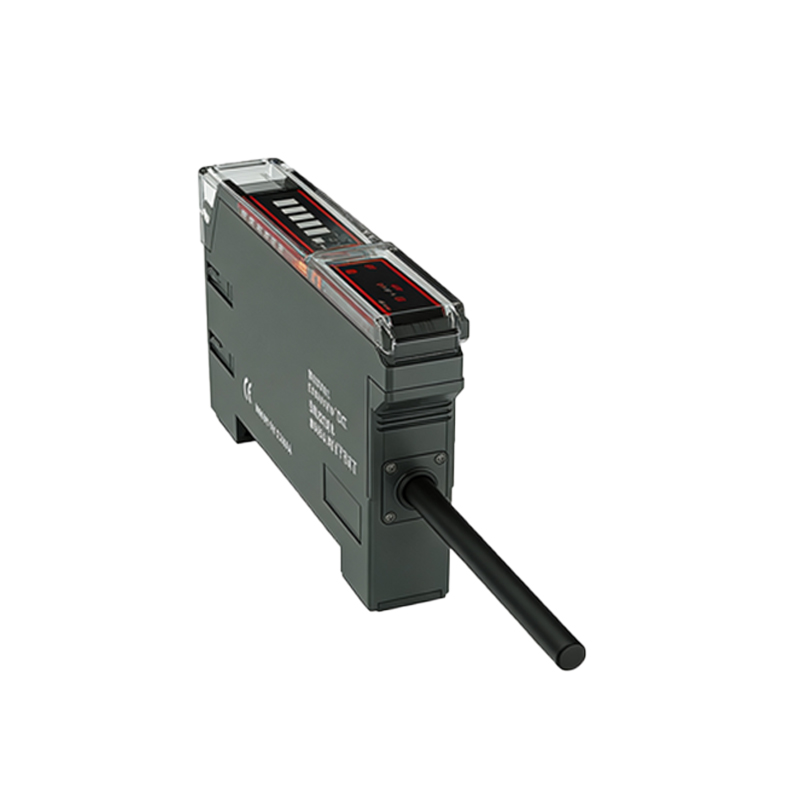
Key Technical Specifications and Features
The operational prowess of the GS6D1311V is defined by its detailed technical specifications. It typically offers a long sensing range, capable of reliable detection over several meters, which is a critical advantage in large-scale automation setups. The sensor incorporates a modulated LED light source, which allows it to ignore ambient light from factory lighting, sunlight, or other machinery, drastically reducing false triggers. Its response time is extremely fast, enabling it to detect objects on high-speed production lines without missing a beat. The housing is usually constructed from durable, industrial-grade materials like metal or high-strength plastic, providing IP67 or higher ingress protection against dust and water jets. Electrical outputs are commonly in the form of a solid-state NPN or PNP transistor, compatible with standard programmable logic controllers (PLCs) and industrial control systems. These features collectively ensure high noise immunity, stability, and a long operational lifespan.
Installation and Alignment Considerations
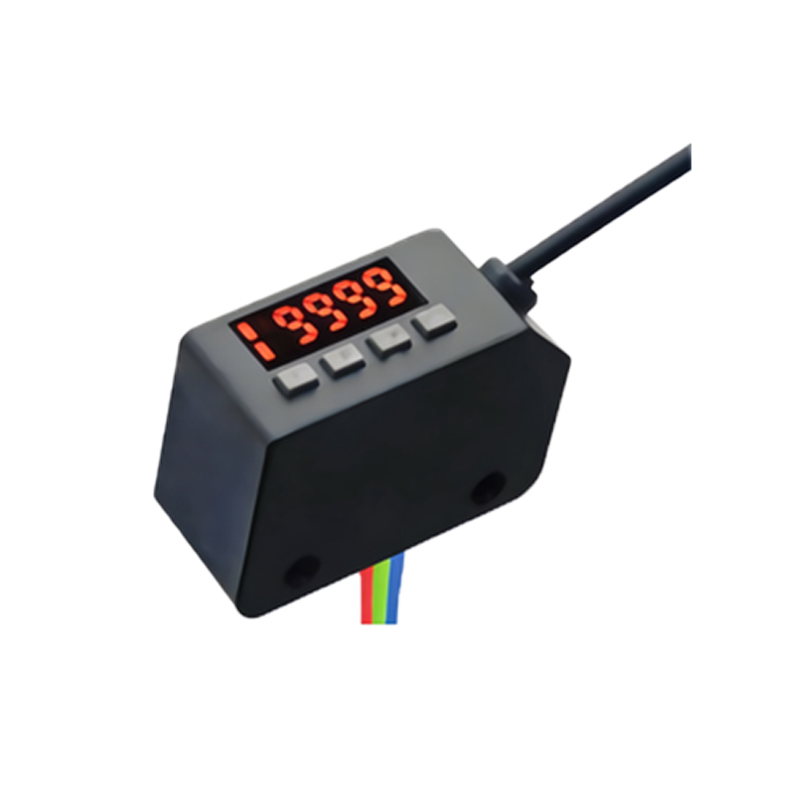
Proper installation is crucial for maximizing the performance and reliability of the GS6D1311V through-beam sensor. The first step involves securely mounting the emitter and receiver units on stable fixtures, ensuring they are perfectly aligned along the same axis. Even minor misalignment can severely reduce the effective sensing distance or cause intermittent operation. Many models, including variants of the GS6D1311V, are equipped with alignment indicators, such as LED lights that change color or brightness when optimal alignment is achieved. Installers must carefully consider the mounting environment, avoiding positions where accumulating dirt, steam, or mechanical shock could directly impact the lenses. Ensuring a clean, unobstructed path between the two units is essential. Regular maintenance checks for lens cleanliness and alignment stability are recommended as part of a preventive maintenance schedule to avoid unscheduled downtime.
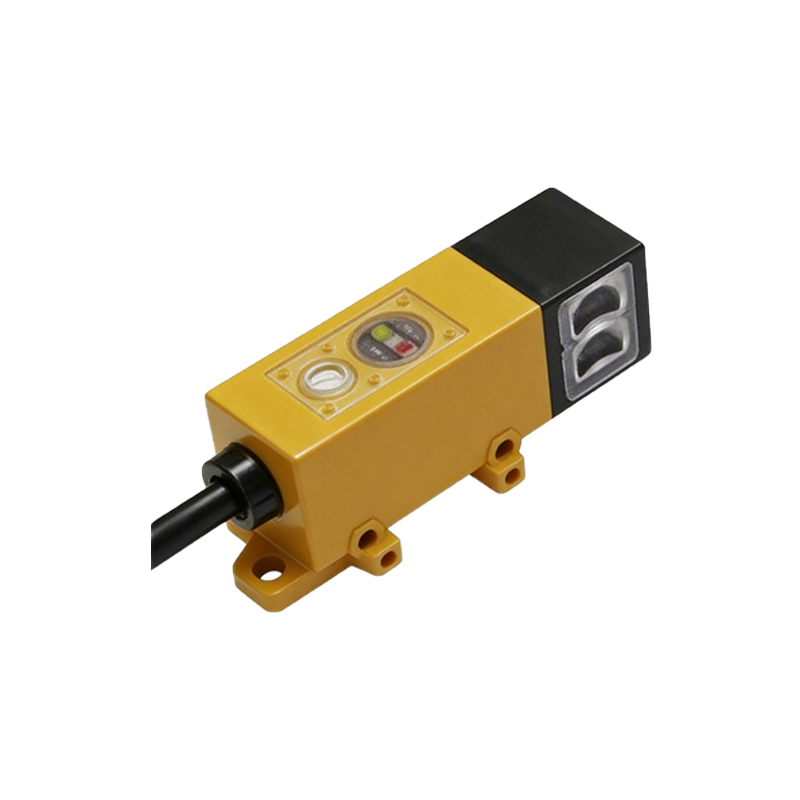
Typical Industrial Application Scenarios
The GS6D1311V finds extensive application across diverse industrial sectors due to its robustness and long-range capability. In packaging and bottling lines, it is indispensable for detecting the presence or absence of containers, controlling fill levels, and verifying cap placement on moving conveyor belts. Within the automotive manufacturing industry, these sensors are used for precise part positioning in robotic assembly cells and for checking the passage of vehicle bodies through paint shops and assembly stages. In material handling and warehouse automation, they serve as key components for pallet detection, box counting on sortation systems, and ensuring safe door operation by detecting obstructions. Their ability to function reliably in harsh conditions also makes them suitable for outdoor applications, such as vehicle detection in automated gate systems or monitoring bulk material levels in agricultural or mining equipment.
Advantages Over Other Sensing Technologies
When compared to other proximity sensing technologies like inductive, capacitive, or ultrasonic sensors, the GS6D1311V photoelectric sensor offers distinct benefits. Its primary advantage is the ability to detect any object that interrupts the light beam, regardless of the object's material composition—be it metal, plastic, glass, wood, or liquid. This contrasts with inductive sensors, which only detect metals, or capacitive sensors, which can be affected by environmental humidity. The through-beam design provides the longest possible sensing distance and highest excess gain (signal strength) among photoelectric modes, making it the most reliable choice for dirty environments or applications requiring detection of small objects. While diffuse-reflective sensors are simpler to install as they use a single unit, they have shorter ranges and can be fooled by the color or reflectivity of the target object, a limitation the GS6D1311V does not share.
Troubleshooting Common Operational Issues
Despite their reliability, users may occasionally encounter issues with GS6D1311V sensors. The most common problem is a failure to detect objects, often caused by misalignment due to vibration or mechanical drift. Verifying alignment using the sensor's indicator LEDs is the first troubleshooting step. Another frequent issue is lens contamination from oil, dust, or moisture, which attenuates the light beam. Cleaning the lenses with a soft, lint-free cloth is the recommended solution. Electrical problems, such as no output signal, can stem from incorrect wiring, a faulty power supply, or a damaged cable. Checking the voltage at the sensor terminals and inspecting cables for pinch points or breaks is essential. If the sensor triggers erratically, investigating potential sources of optical interference, such as highly reflective surfaces nearby or strong ambient light shining directly into the receiver, is necessary. Consulting the manufacturer's datasheet for specific diagnostic procedures is always advised.
Conclusion and Selection Guidance
The GS6D1311V photoelectric sensor stands as a robust and versatile solution for long-range, through-beam object detection in industrial automation. Its design prioritizes reliability, environmental resistance, and precise performance. When selecting a sensor for a new application, engineers should carefully evaluate the required sensing distance, the size and material of the target objects, the environmental conditions (temperature, contaminants, ambient light), and the necessary response speed. The through-beam type, exemplified by the GS6D1311V, is the optimal choice when the longest range and highest reliability are needed, and when it is feasible to install components on both sides of the detection point. For applications where only one-sided mounting is possible, retro-reflective or diffuse-reflective models might be considered, albeit with an understanding of their respective trade-offs in range and stability.