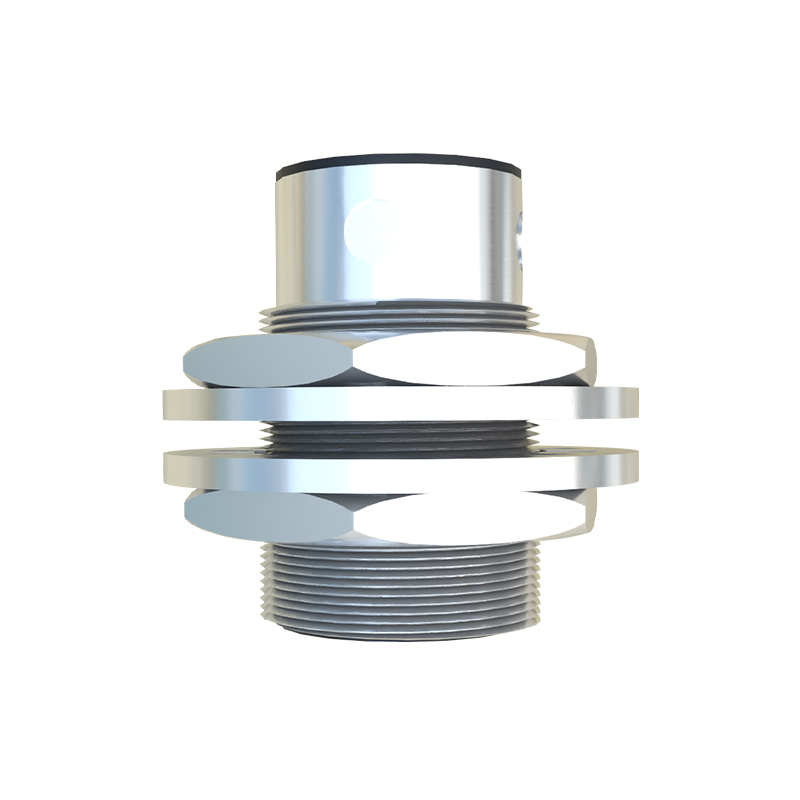
In the dynamic landscape of industrial automation and smart technology, the demand for reliable, precise, and durable sensing components has never been higher. At the forefront of this critical sector are specialized companies dedicated to the design, manufacturing, and sale of Hall Effect proximity sensors. These firms are not merely component suppliers; they are pivotal enablers of innovation, providing the essential eyes and ears for countless machines and systems that operate silently and efficiently around us.
A Hall Effect proximity sensor company operates at the intersection of advanced physics and practical engineering. The core technology, the Hall Effect, discovered by Edwin Hall in 1879, involves the generation of a voltage difference (the Hall voltage) across an electrical conductor when a magnetic field is applied perpendicular to the current flow. Modern sensor companies have mastered the art of miniaturizing and optimizing this principle into robust, solid-state devices. These sensors detect the presence, absence, or position of a magnetic object without any physical contact. This non-contact nature is their defining advantage, leading to virtually infinite operational life, exceptional reliability in harsh environments, and high-speed response times that mechanical switches cannot match.
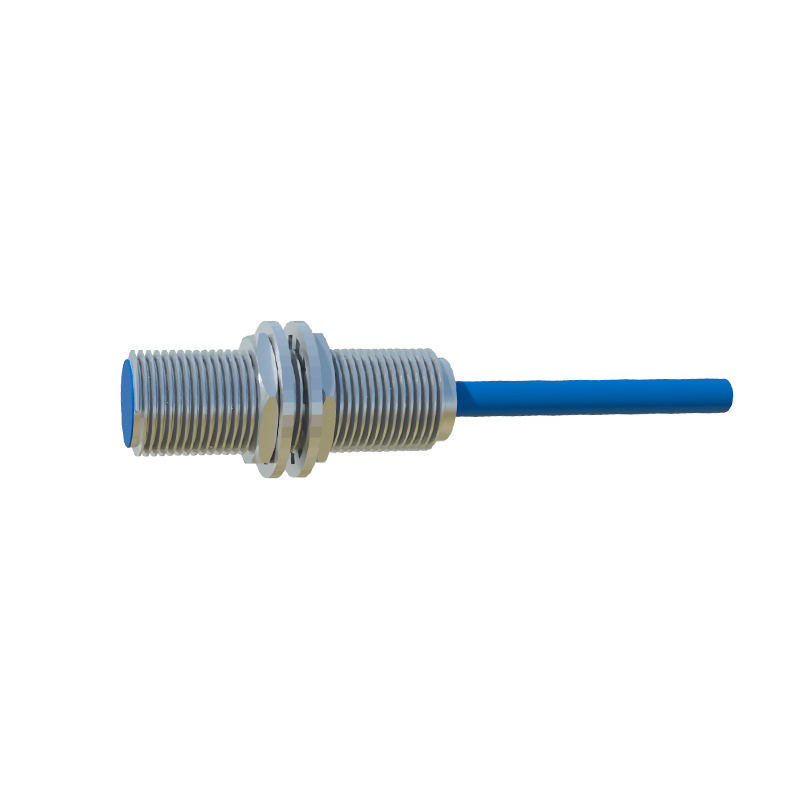
The product portfolio of a leading Hall Effect sensor sales company is typically diverse, catering to a wide spectrum of industries. Key offerings often include unipolar and bipolar digital switches, which provide a simple on/off signal, and linear sensors, which output a voltage proportional to the strength of the detected magnetic field. Latching versions are crucial for applications requiring memory of position, such as in brushless DC motors. Furthermore, specialized variants with enhanced temperature ranges, high-voltage isolation, or custom packaging are developed to meet the stringent requirements of automotive, aerospace, and heavy industrial applications.
The value proposition of such a company extends far beyond the sensor unit itself. Engineering support is a critical differentiator. Clients from the automotive sector, for instance, require sensors that can withstand under-hood temperatures, vibration, and exposure to fluids for functions like gearbox position sensing or wheel speed detection. A competent sales and engineering team works closely with these clients from the prototyping phase, ensuring the selected sensor meets exact electromagnetic, mechanical, and environmental specifications. Similarly, in consumer electronics, for detecting laptop lid closure or smartphone flip covers, the focus shifts to ultra-miniaturization, low power consumption, and cost optimization. The company acts as a solutions partner, guiding the integration process.
Quality and consistency are the bedrock of a reputable Hall Effect sensor supplier. Manufacturing processes adhere to strict international standards like IATF 16949 for automotive quality management. Rigorous testing at every production stage—from wafer fabrication of the Hall IC to the final assembly and calibration—ensures that every sensor performs identically within its specified parameters. This reliability is non-negotiable for applications where failure is not an option, such as in medical devices or industrial safety systems.
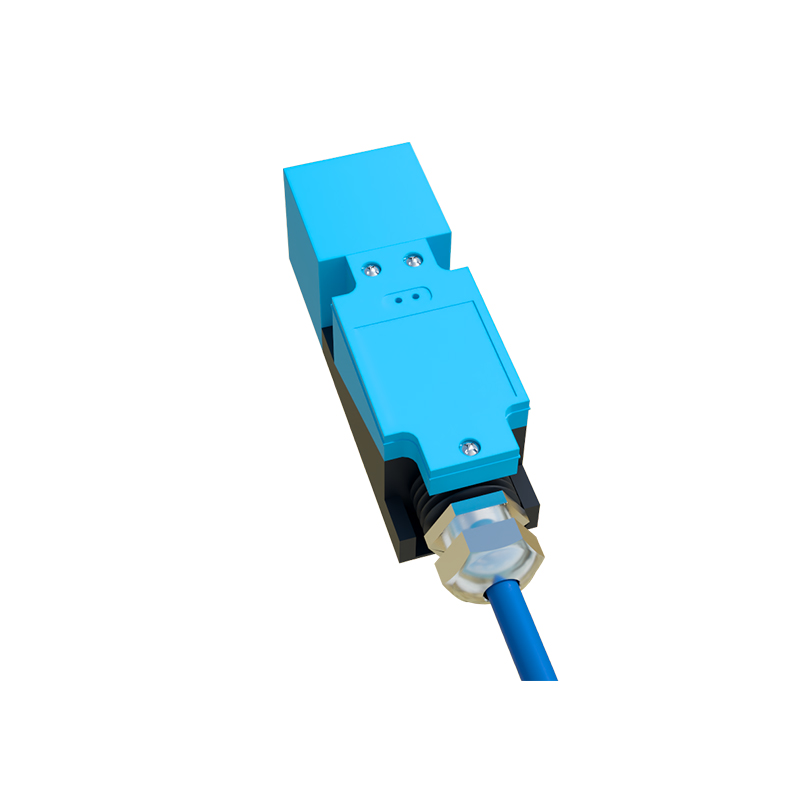
Looking ahead, the trajectory for a Hall Effect proximity sensor company is tightly linked to macro trends like Industry 4.0 and the Internet of Things (IoT). Sensors are becoming smarter, often integrating signal conditioning, diagnostics, and digital communication protocols (like IO-Link) directly into the package. This transforms a simple switch into an intelligent node on a network, capable of reporting its health, temperature, or even minor performance deviations for predictive maintenance. Companies that invest in R&D to develop these intelligent sensing solutions are positioning themselves as indispensable partners in the smart factory and connected device ecosystems.
In conclusion, a company specializing in the sale of Hall Effect proximity sensors plays a fundamental role in modern engineering. By mastering a core scientific principle and translating it into highly reliable, application-specific products, these organizations empower innovation across automotive, industrial, consumer, and emerging tech sectors. Their success is measured not just in units sold, but in the seamless, reliable, and intelligent operation of the myriad systems that depend on their critical sensing technology.